Zimbabwe wants instant payments to win trust for the ZiG. An economist sets three conditions
Talks with India's NPCI could make the gold-backed currency cheaper to use, but the author says technology alone cannot create confidence.
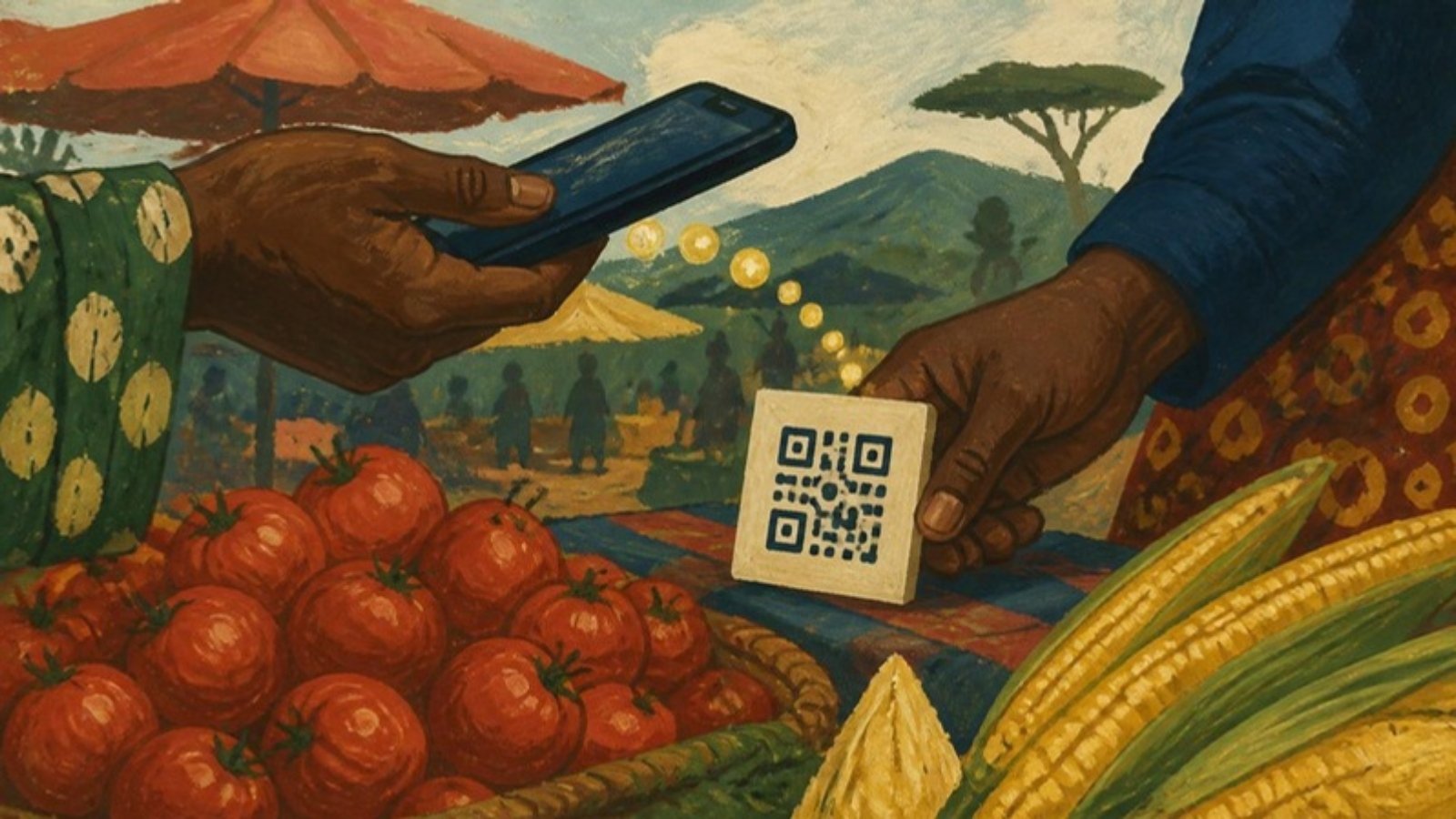
Harare — Zimbabwe's central bank wants people to use the ZiG, a gold-backed currency launched in April 2024, alongside the US dollar. It is negotiating with NPCI International Payments, the overseas arm of the body behind India's instant payment system, on a system to lower costs and speed up transfers between bank and mobile money accounts. The terms are not yet public.
Jonathan Munemo, a professor of economics at Salisbury University, says the technology can help only if people have good reasons to trust the currency.
Why trust matters
Zimbabwe's history includes inflation of 231 million percent in 2008, and later attempts at a stable currency that failed. The ZiG was devalued by 43% in September 2024.
There are better signs now. Annual ZiG inflation was 3.7% in September 2026, and the Reserve Bank has dropped its 2030 target for a single currency in favour of a conditions-based approach. It has also ruled out forcibly converting dollar savings. But reserves of about $2 billion cover only some two months of imports, and most deposits are still in dollars.
Three conditions
1. Local control. Zimbabwean institutions should control operations and data, be able to change providers, and ensure fair access and transparent fees. 2. Real choice. People should be able to pay in either currency, with no hidden conversion and lower fees on small ZiG payments. 3. Credible policy. No central bank financing of deficits, rebuilt reserves and a more independent central bank.
Cambodia and Namibia offer useful examples. Both, the author says, point to the same lesson: payment systems can make a trusted currency more convenient, but they cannot create the trust.
Source: The Conversation, 25 October 2026.