Naguib Mahfouz: the Cairo civil servant who won the Nobel Prize
He wrote more than 30 novels over 70 years, nearly all rooted in the lanes of his city, and remains the only Egyptian Nobel laureate in literature.
Lire cet article en français →
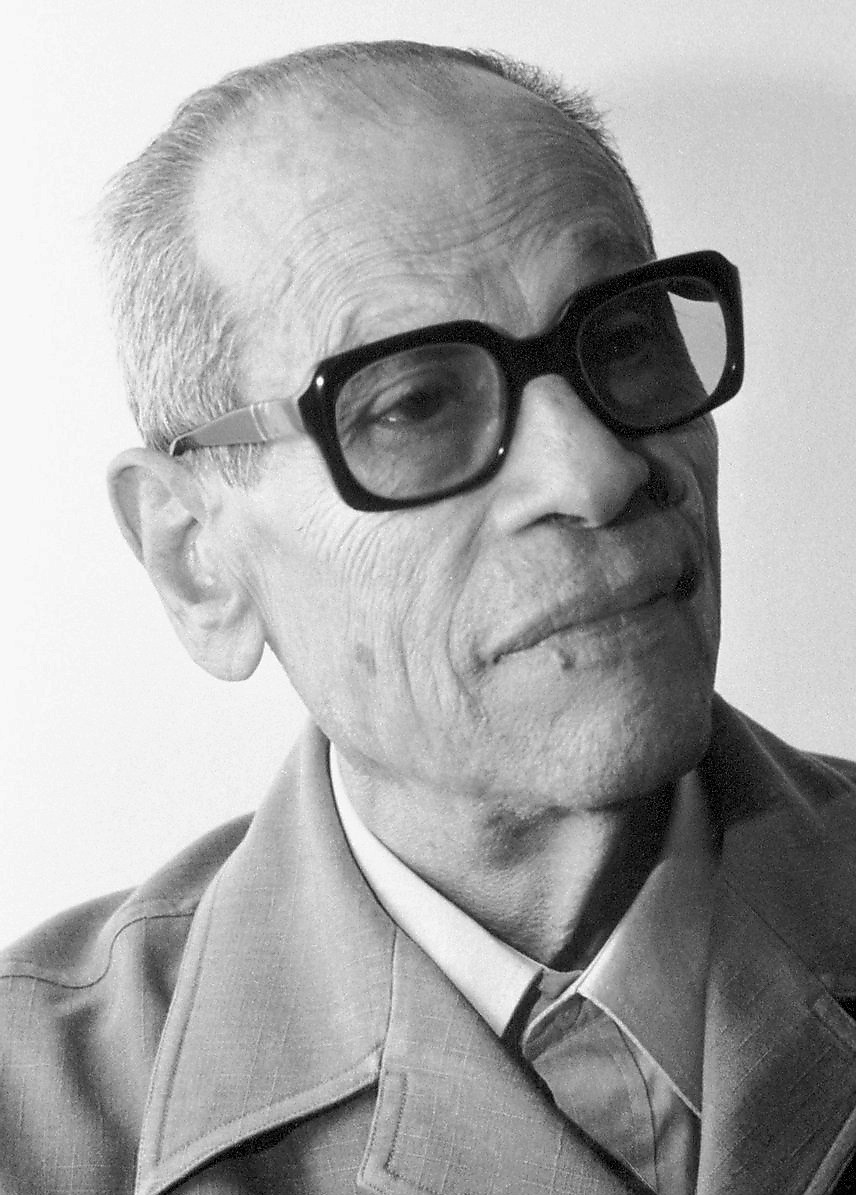
Cairo — In 1988, the Swedish Academy gave the Nobel Prize in Literature to an Egyptian writer who had spent his working life among the streets of Cairo. Naguib Mahfouz is still the only Egyptian to have won it.
A child of Old Cairo
He was born in 1911 in a lower middle-class family in Old Cairo, the youngest of seven children. His mother, who could not read, took him to the Egyptian Museum and the Pyramids. The family's neighbourhoods, Gamaleya and later Abbaseya, became the backdrop for many of his books. He followed his father into the civil service in 1934.
Seventy years of work
Over a career from the 1930s to 2004 he published dozens of novels, more than 350 short stories, dozens of screenplays and several plays. His early historical novels were part of a planned series covering the whole history of Egypt. He gave that up to write about present-day life and how social change touches ordinary people.
His best-known work, The Cairo Trilogy, follows three generations from the first world war to the years after 1952. All his novels are set in Egypt, and the lane often stands for the whole world. Midaq Alley even became a Mexican film.
A door opened
Before the prize, only a few of his novels had appeared in the West. He said on winning it that international doors had opened and that literate people would now consider Arab literature too. He died on 30 August 2006.
Background: Wikipedia.