Ngũgĩ wa Thiong'o: the novelist who chose to write in Gikuyu
Jailed in Kenya after a popular play, he wrote a novel in prison on toilet paper and argued for African literature in African languages.
Lire cet article en français →
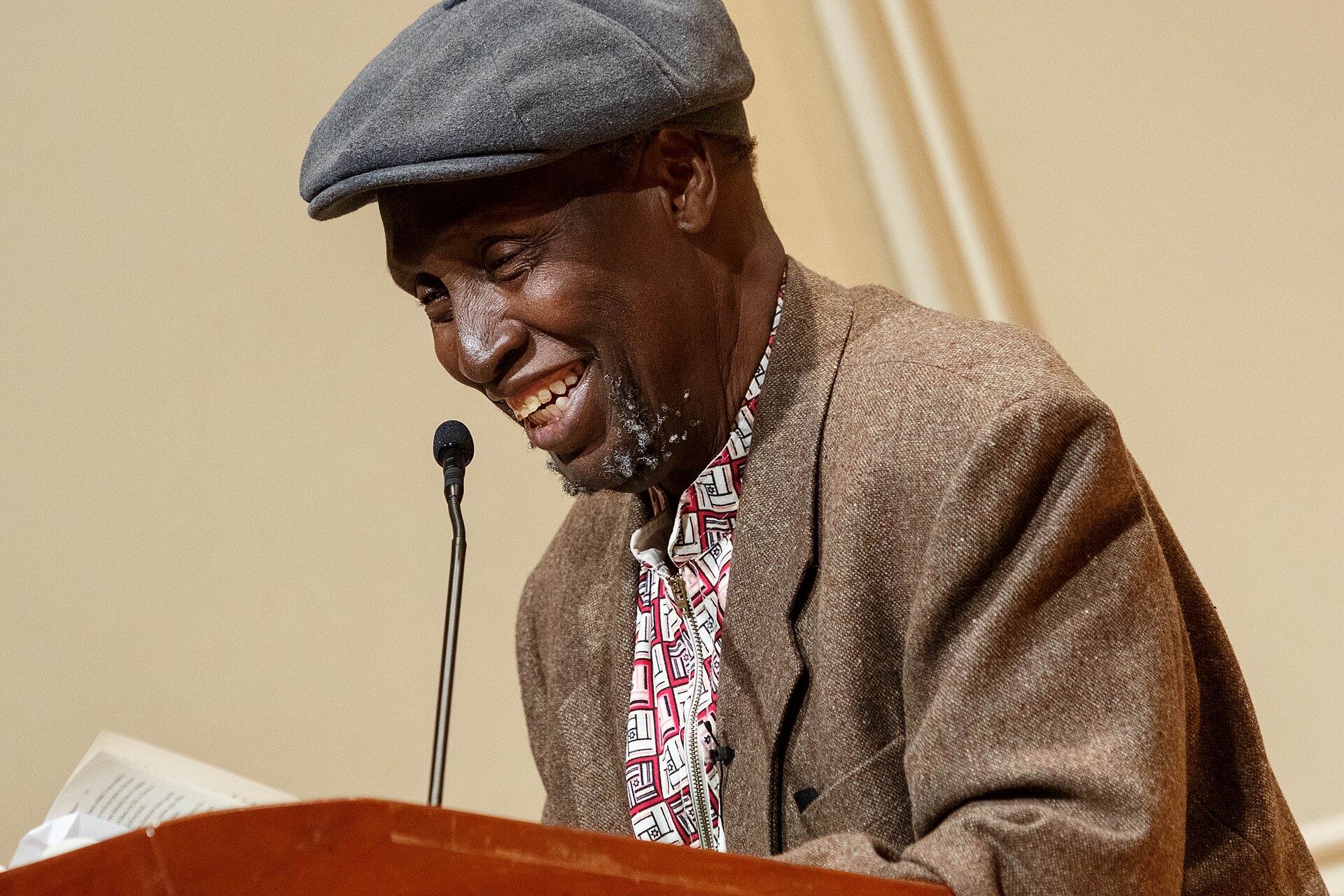
Nairobi — Ngũgĩ wa Thiong'o, who died on 28 May 2025 at the age of 87, was described as East Africa's leading novelist. He is remembered as much for a decision as for his books: to stop writing in English.
From Makerere to a village theatre
Born James Ngugi in 1938, he began as a student writer in Uganda, attending the African Writers Conference at Makerere in 1962. Works such as Weep Not, Child and The River Between made his name.
In 1977 he helped create a new kind of theatre in Kenya, built on spontaneity and audience participation. Ngaahika Ndeenda, written with Ngũgĩ wa Mirii, was a commercial success, but the authorities shut it down six weeks after it opened. He was then imprisoned for more than a year, and Amnesty International adopted him as a prisoner of conscience.
A novel on prison paper
In prison he wrote Devil on the Cross on toilet paper and decided that his creative work from then on would be in Gikuyu. His 1986 essay Decolonising the Mind argued that African writers should express themselves in their own languages, to break lingering colonial ties and build an authentic African literature.
He later translated his own Wizard of the Crow from Gikuyu to English, and his short story "The Upright Revolution" has been translated into more than 100 languages. He taught at universities in Kenya and the United States, including the University of California, Irvine, and was often named as a likely Nobel laureate.
Background: Wikipedia.