SENEGAL: CFA 493 MILLION INVESTMENT TARGETS BARRIERS TO GIRLS' EDUCATION
Senegal is investing more than CFA 493 million in school supplies and menstrual hygiene support to help thousands of girls remain in school and continue their education.
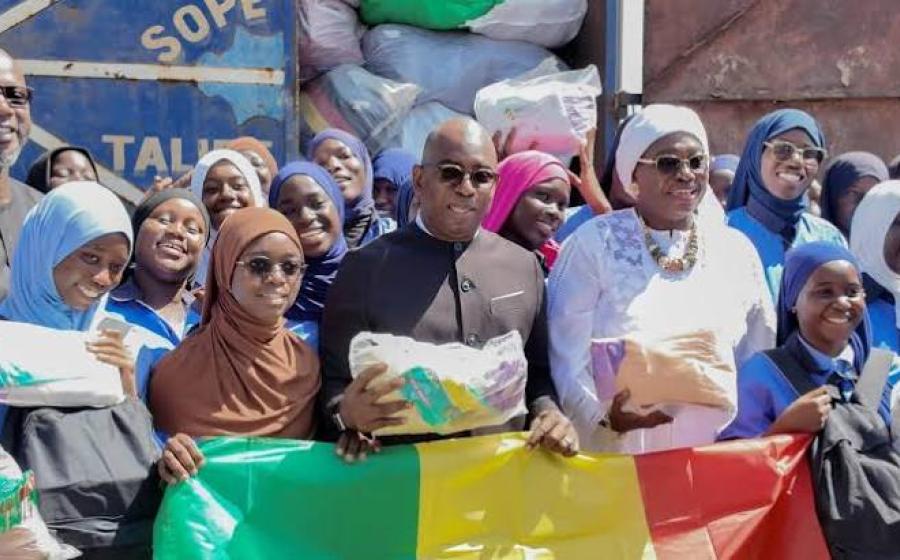
Dakar — The Senegalese government has launched an initiative worth 493.5 million CFA francs to support girls' education and address some of the challenges affecting their participation in school.
The programme involves the distribution of 34,818 school and menstrual hygiene kits to students in secondary schools across 11 regions of the country.
The package includes 18,893 school kits and 15,925 menstrual hygiene kits. The initiative is being implemented under the Sahel Women's Empowerment and Demographic Dividend Plus (SWEDD+) project, with support from the World Bank.
The distribution was officially launched on November 13 in Diamniadio by the Minister of National Education, Moustapha Mamba Guirassy, and the Minister of Family, Social Action and Solidarity, Marie Angélique Mame Selbé Diouf.
The support is intended to ease the financial burden on vulnerable families while helping adolescent girls manage menstrual health challenges that may affect their school attendance and learning.
Speaking at the event, Guirassy stressed that access to education should involve more than enrolling children in school. He said girls must also have the necessary conditions to learn and complete their education.
The initiative highlights the connection between education, health and women's development, particularly for girls from low-income households.
By addressing both the cost of school materials and menstrual hygiene needs, Senegal hopes to create a more supportive learning environment and reduce barriers that prevent girls from achieving their educational goals.