South Africa's community developers help residents find the right door in government
A University of Johannesburg study of 12 practitioners in six provinces describes five ways they connect citizens with the officials who can fix services.
Lire cet article en français →
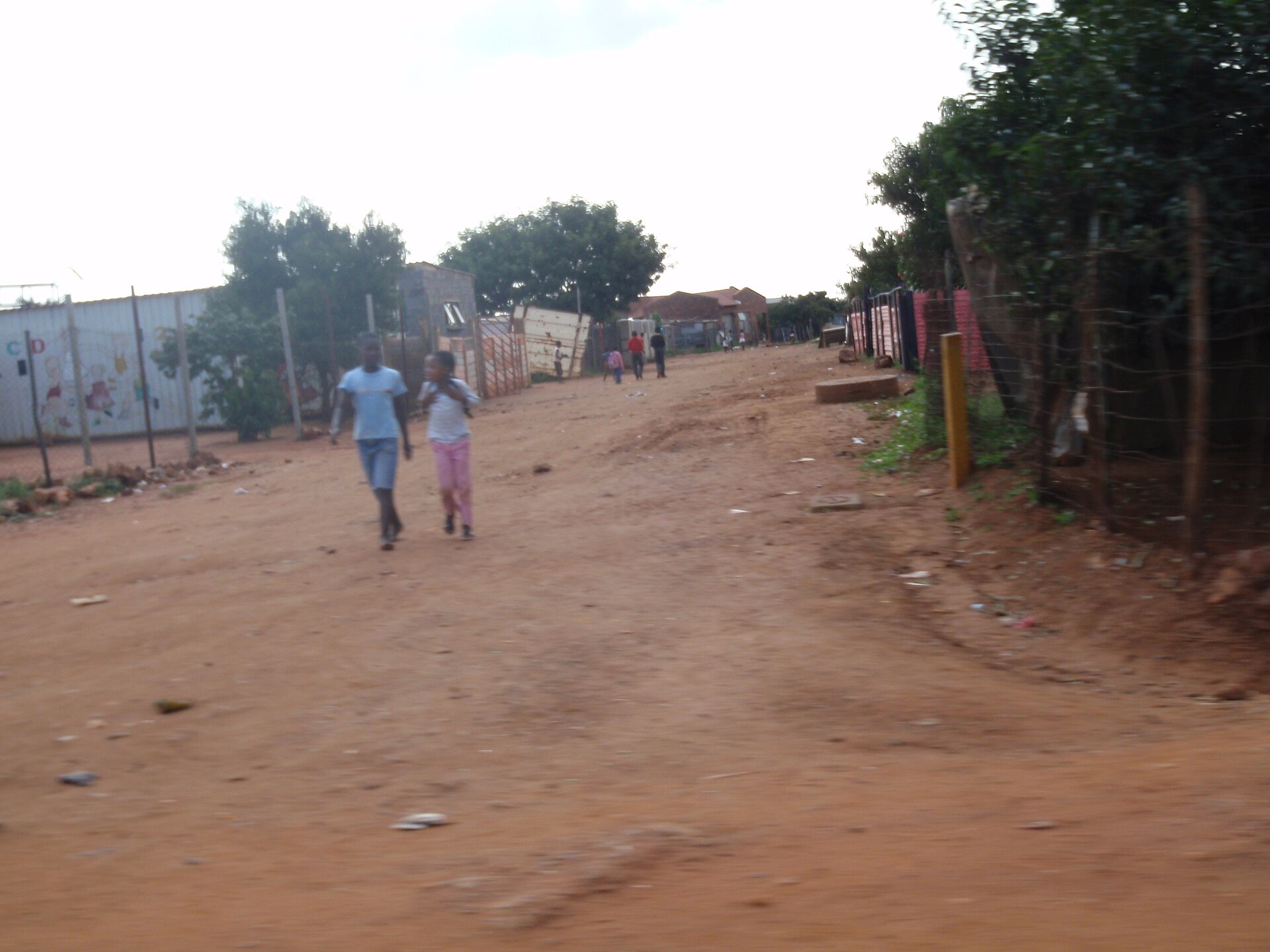
Johannesburg — In South Africa, responsibility for water, housing, grants, clinics and refuse collection is spread across national, provincial and local government. A resident may know exactly what has gone wrong without knowing who can fix it.
Community developers help bridge that gap. Lesedi Senamele Matlala, a monitoring and evaluation scholar at the University of Johannesburg, interviewed 12 of them, working in government, non-governmental organisations and civil society across six provinces, each with five to 20 years' experience. The government reported employing 23,561 social service professionals in 2024.
Five roles
Matlala identified five things they do. They mobilise residents: in the Sondela informal settlement in Rustenburg, a community development worker supported the Phepafatso Project, which organised clean-ups and waste separation and turned illegal dumping sites into vegetable gardens. It later received support from the provincial community development programme.
They explain how government works. "Many people know that services are not working properly, but they do not know where to report or how the system works," one said. They carry community concerns to officials, put complicated official documents into plain language, and follow up on complaints so they are not forgotten.
Making the link stronger
Practitioners said they need better resources for transport, venues and follow-up visits. Matlala writes that community developers make it easier for citizens to navigate government and harder for their experiences to be overlooked, and urges municipalities and departments to give the role more attention.
Source: The Conversation, 3 November 2026.