South Africa's universities told to teach for a world shaped by AI, and to build Africa's own
Higher Education Minister Buti Manamela said assessment must test judgement, not just answers, and that Africa needs AI in its own languages and on its own data.
Pretoria — South Africa's universities must rethink how they teach and assess students for a world shaped by artificial intelligence, and the country must build the capacity to develop and govern its own technologies, the Higher Education Minister, Buti Manamela, said on Tuesday.
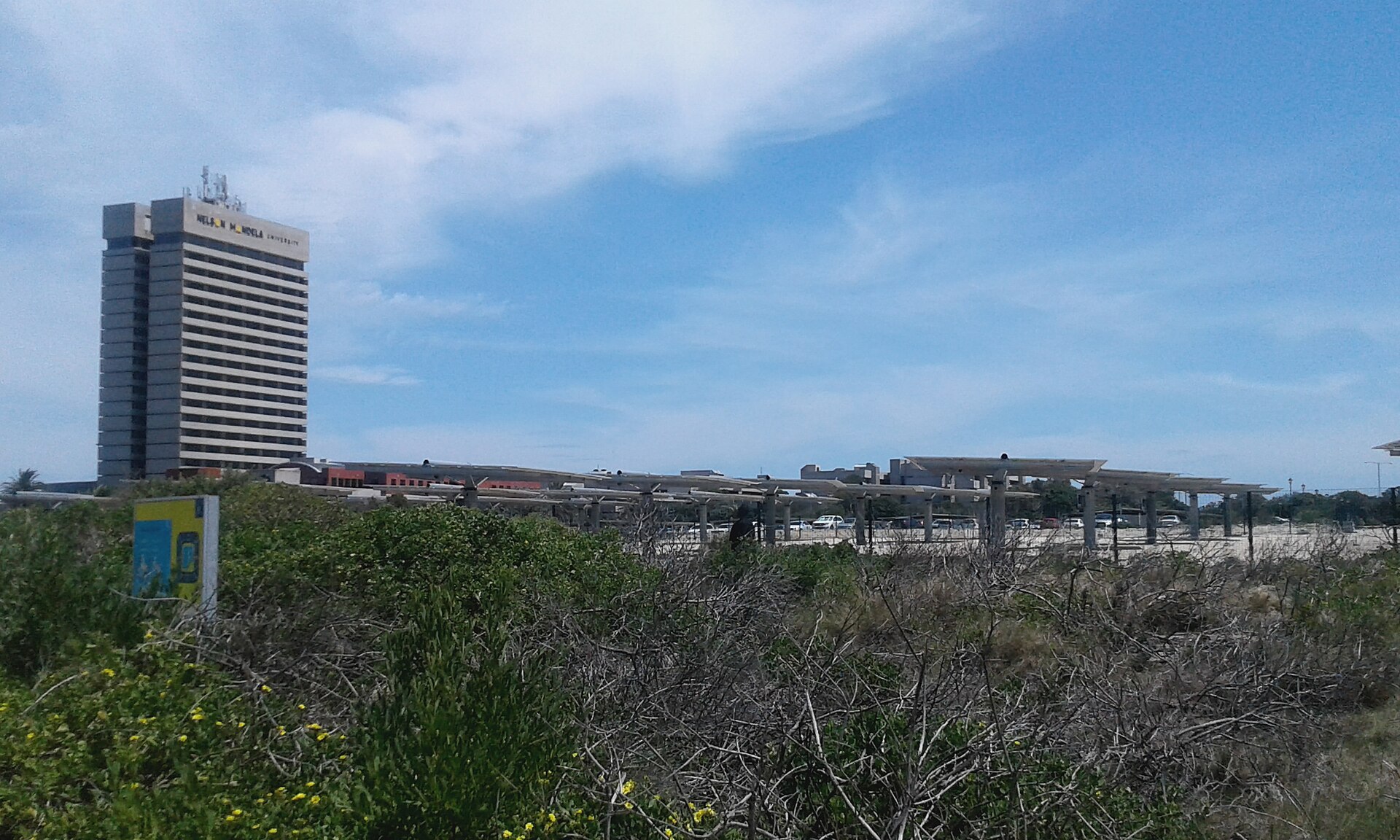
He was giving the keynote at a national webinar convened by Nelson Mandela University, the University of the Free State, Rosebank International and Higher Education Media Services, the government news agency SAnews reports.
On AI
- Generative AI can help with research, translation, administration and teaching, he said, but it can also reproduce bias, invent evidence, deepen dependence on systems owned by others, and lead students to mistake a fluent answer for a well-understood argument.
- Better tools for detecting AI-written work are not enough. Assessment should show whether students can frame a worthwhile question, test evidence, make ethical judgements, work with others and apply knowledge to unfamiliar problems.
- Africa must build its own AI capacity through research infrastructure, open resources, technology in African languages and trustworthy data, so that its universities do not become permanent users of knowledge systems designed elsewhere.
On the system
Mr Manamela said South Africa does not need 26 near-identical universities competing to resemble one international model, but a connected system of distinct institutions with different strengths. He said the national student aid scheme has widened access, but that its administrative weaknesses and the gap between its commitments and its funds threaten the whole system.
He also called for African languages to take a serious place in scholarship, and for universities near communities facing water shortages, unemployment or failing infrastructure to put their research to work on those problems.
Source: SAnews, 14 October 2026.