The Ethiopian photographer who turned the camera on herself
Sosina Mengistu began taking self-portraits while stranded during the pandemic. Six years on, the project has become a record of a generation's uncertainty.
Addis Ababa — When the pandemic closed Ethiopia's universities in 2020, Sosina Mengistu was in the final year of an engineering degree at the University of Gondar. She expected the disruption to be brief and went to stay with an uncle in Bahir Dar. She was there for eight months.
With little around her to photograph, she turned the camera on herself. The result is So I See Me, a self-portrait project she has continued ever since, and which she describes in a first-person piece for the Guardian's "Women behind the lens" series.
Stuck, while everything else moved
Mengistu had taken up photography as a student, starting with her phone and scenes of everyday life in Gondar. In lockdown, she writes, self-portraits became a way of working through anxiety about whether she would graduate and what would follow.
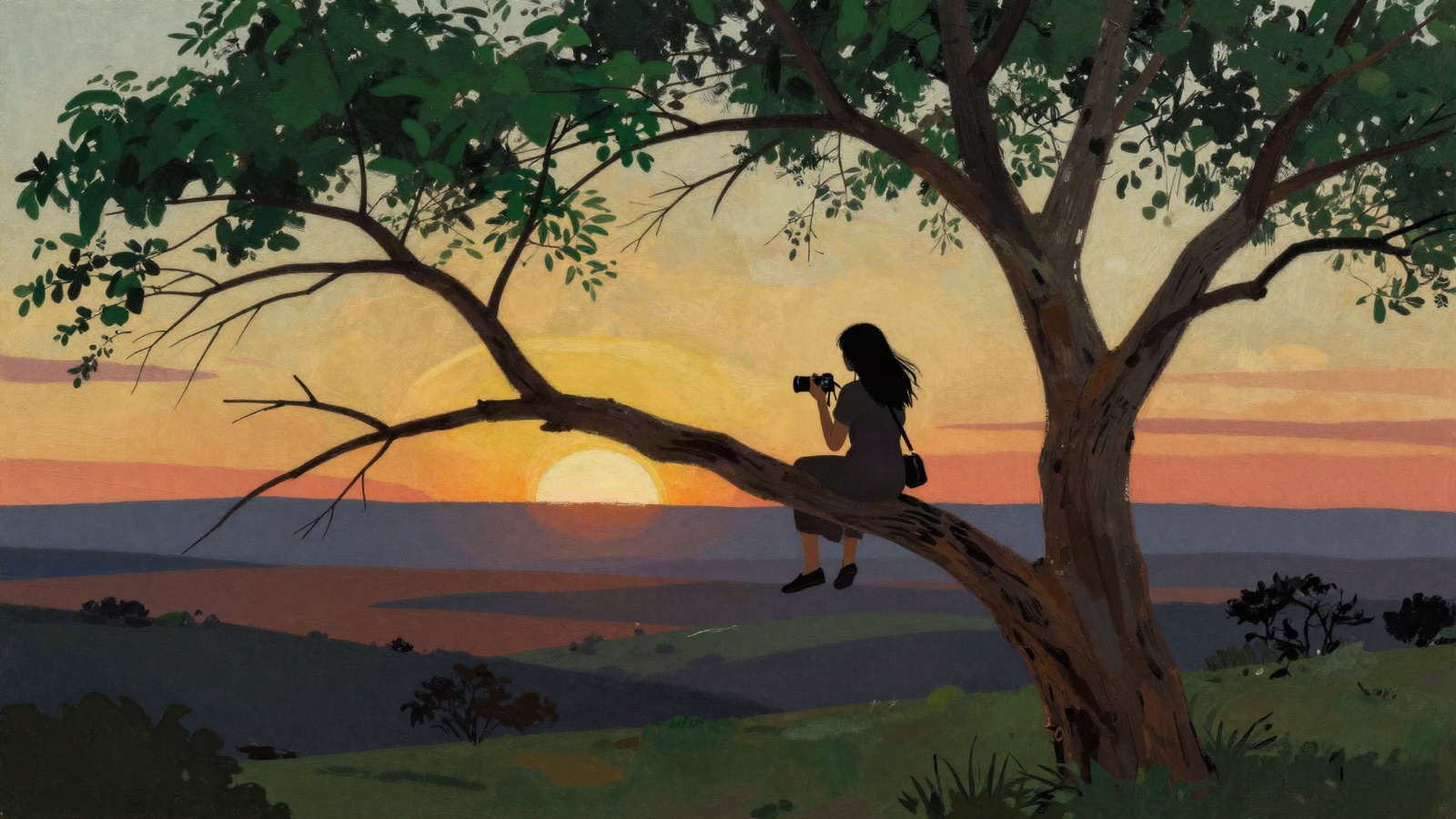
One image shows her leaning against a bare branch at sunset during the rainy season, when the trees around it were in full leaf. She did not think of it as symbolic at the time, she says, but came to see that it matched how she felt: stalled, while the world carried on.
From engineering to photography
She did graduate, and moved to Addis Ababa, where she spent a further six months looking for work. In the end she left engineering to become a full-time photographer.
Of the thousands of pictures she took in that period, she published about 153. She says the uncertainty they record is not hers alone, but something many young people face as they try to build a future.
This report is based on Sosina Mengistu's account in the Guardian.