Africans are living longer. Rehabilitation is the next health priority
More people survive HIV, TB, stroke and injury than ever. A physiotherapist-researcher says helping them live well afterwards must become part of everyday care.
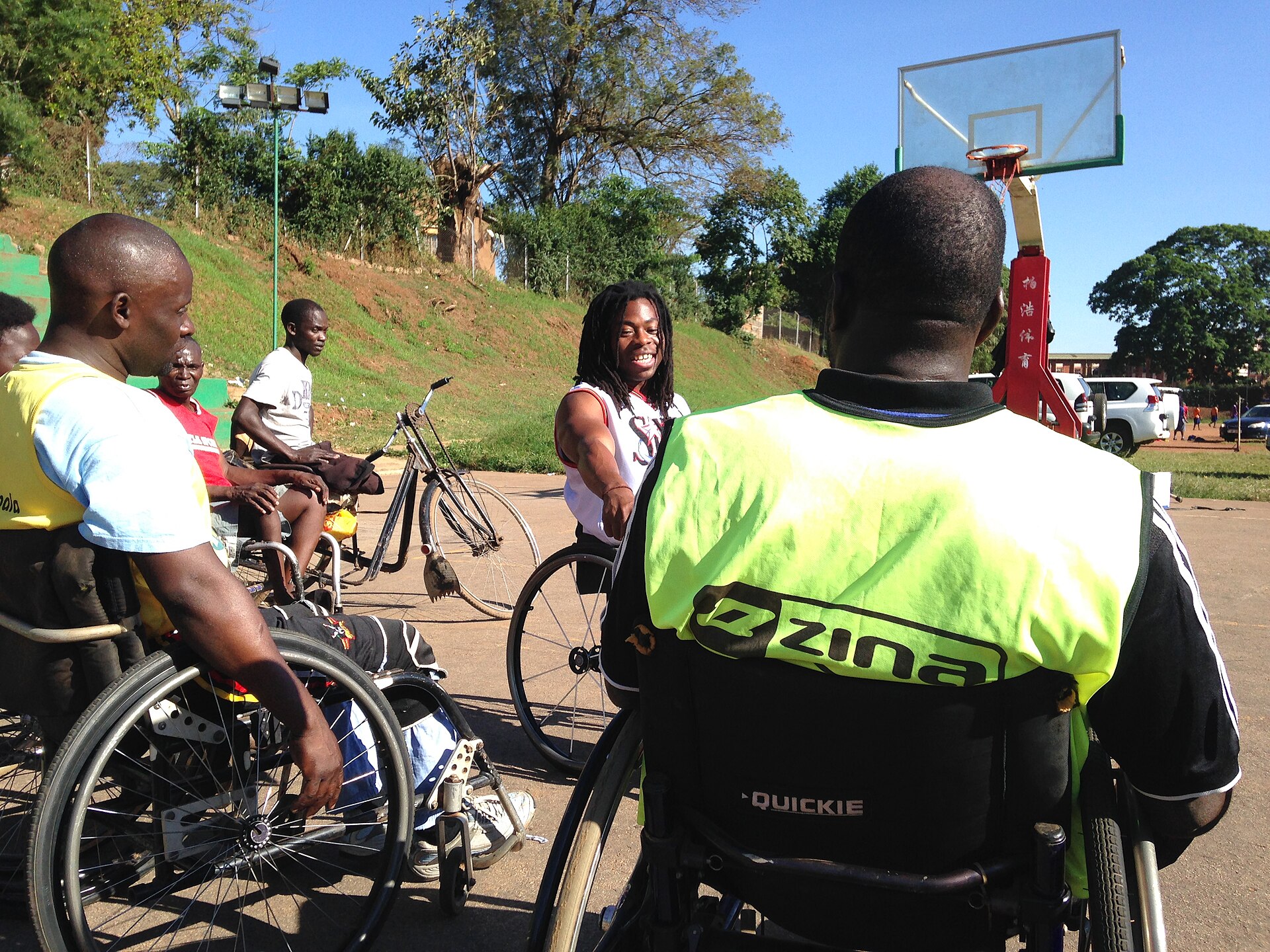
PANM — Across much of sub-Saharan Africa, people are living longer than a generation ago. More survive HIV, tuberculosis and complications at birth, and more live with stroke, heart disease, diabetes and injuries. Ukachukwu Abaraogu, a physiotherapist and rehabilitation researcher at the University of the West of Scotland, writes in The Conversation that this success brings a new task: rehabilitation.
The numbers
Globally, healthy life expectancy rose from 61.1 years in 2010 to 63.1 in 2023, according to the Global Burden of Disease study. Over the same period, years lived with disability rose from 786 million to 990 million, as more people survive illnesses that once killed them.
Why it matters
A stroke survivor may live with weakness, trouble walking or difficulty speaking. A young adult hurt in a road crash may face long-term disability. Rehabilitation, from physiotherapy to speech and occupational therapy, helps people recover, stay independent and take part in work and community life. Yet health systems have not grown these services as fast as they have cut deaths.
What the author recommends
1. Make rehabilitation a core part of health care, not an afterthought. 2. Build it into primary health care, close to where people live. 3. Train more rehabilitation workers. 4. Expand community-based services. 5. Measure success not only by lives saved, but by how well people live afterwards.
It is a challenge born of progress: Africa's health gains are real, and the next step is making sure survivors thrive.
Source: The Conversation, 22 October 2026.