Lalibela: eleven churches carved downwards into solid rock
More than 800 years ago, Ethiopian builders cut churches out of the mountain from the top down. They are still places of daily worship today.
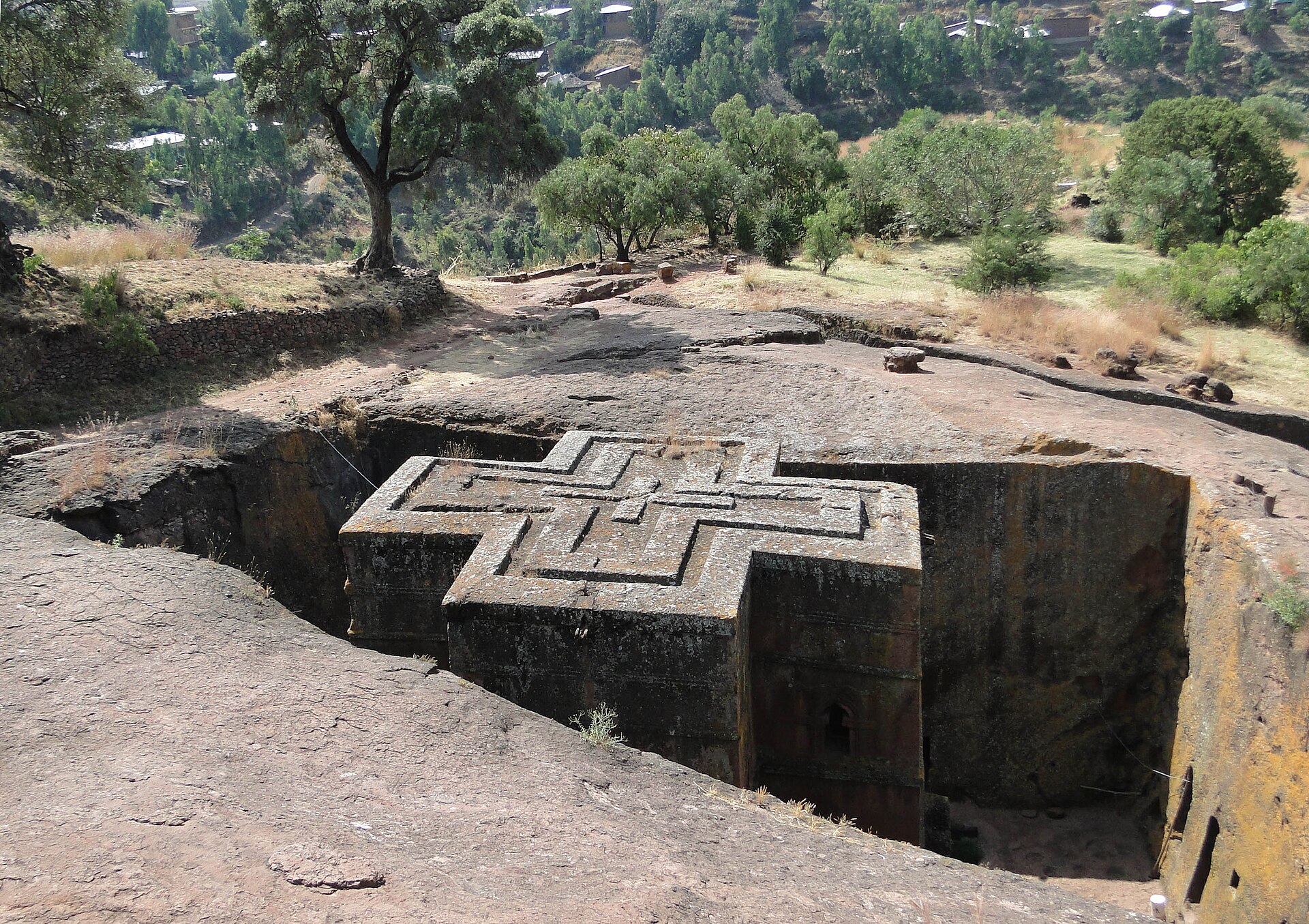
Lalibela — In Ethiopia's Amhara highlands, about 2,480 metres above sea level, there are churches that were not built at all. They were carved: cut downwards out of solid volcanic rock with hammers and chisels, from the roof to the floor. These are the Rock-Hewn Churches of Lalibela.
A new Jerusalem
Tradition credits King Gebre Meskel Lalibela of the Zagwe dynasty, who reigned from about 1181 to 1221. He is said to have wanted to recreate the holy city of Jerusalem in his kingdom. Historians think the work probably happened in several phases.
The churches
- Eleven monolithic churches: four stand completely free of the rock, seven remain joined to the mountain on one side.
- They are linked by trenches and tunnels cut through the stone.
- The best known, Bete Giyorgis, the Church of St George, is shaped like a cross and stands on its own, linked to the others by trenches.
Still alive
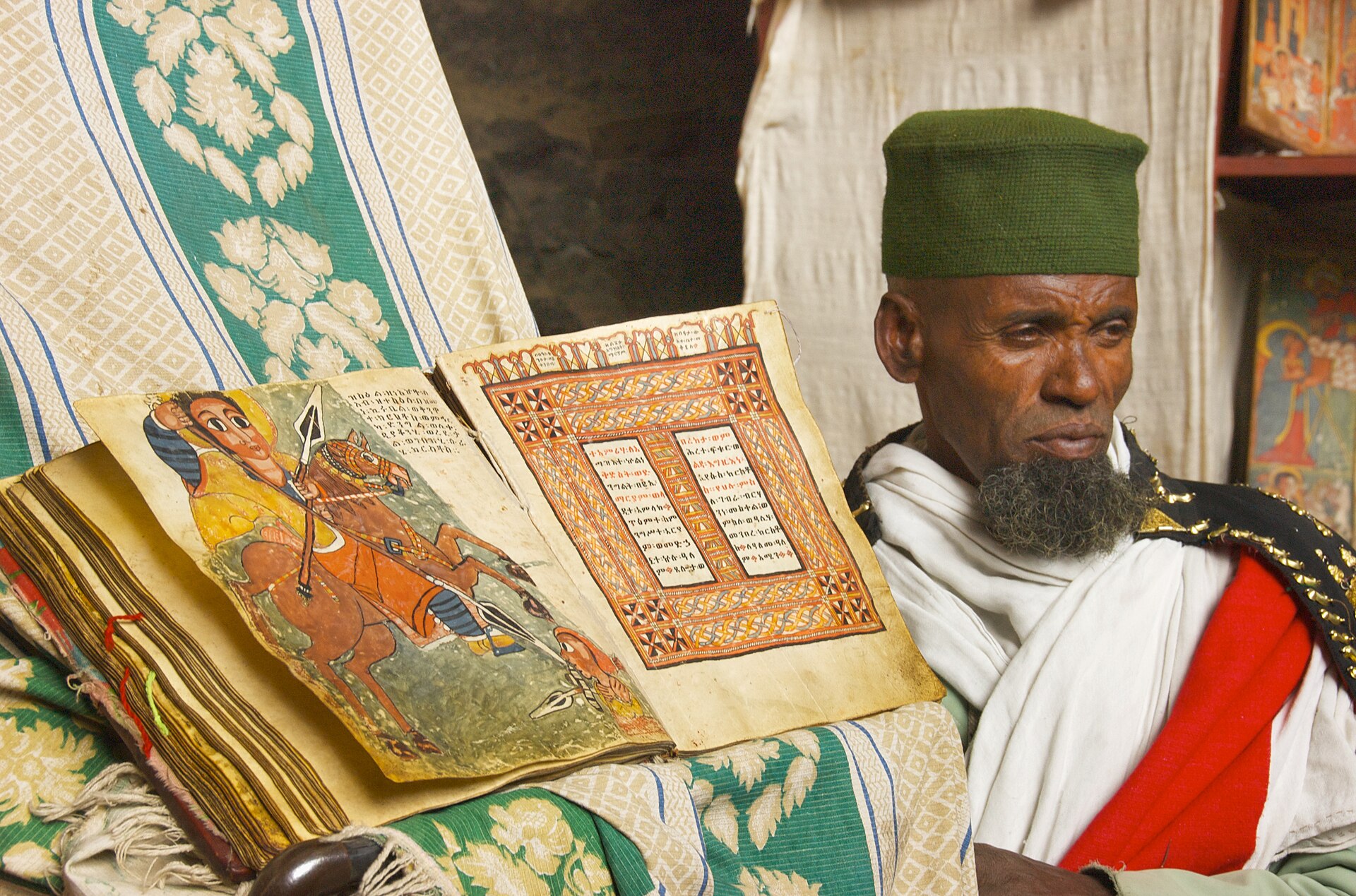
Lalibela is not a museum. The Ethiopian Orthodox Church holds services there every day, and great festivals such as Genna (Christmas) and Timkat (Epiphany) bring pilgrims from across Ethiopia. UNESCO listed the churches as a World Heritage Site in 1978, at the World Heritage Committee's second session.
Looking after them
Protective shelters put up over five churches in 2008 were meant to be temporary and have stayed far longer than planned; Ethiopia's heritage authority has said they must eventually come down, and restoration work continues.
Eight centuries on, Lalibela remains one of the great achievements of African architecture and faith.
Background: Wikipedia.