Inzu: what Rwanda's ancestral homes can teach architects today
A visit to the King's Palace Museum in Nyanza led architect Sankara Mutoni to write a book on the language, beliefs and building wisdom of the traditional Rwandan house.
Lire cet article en français →
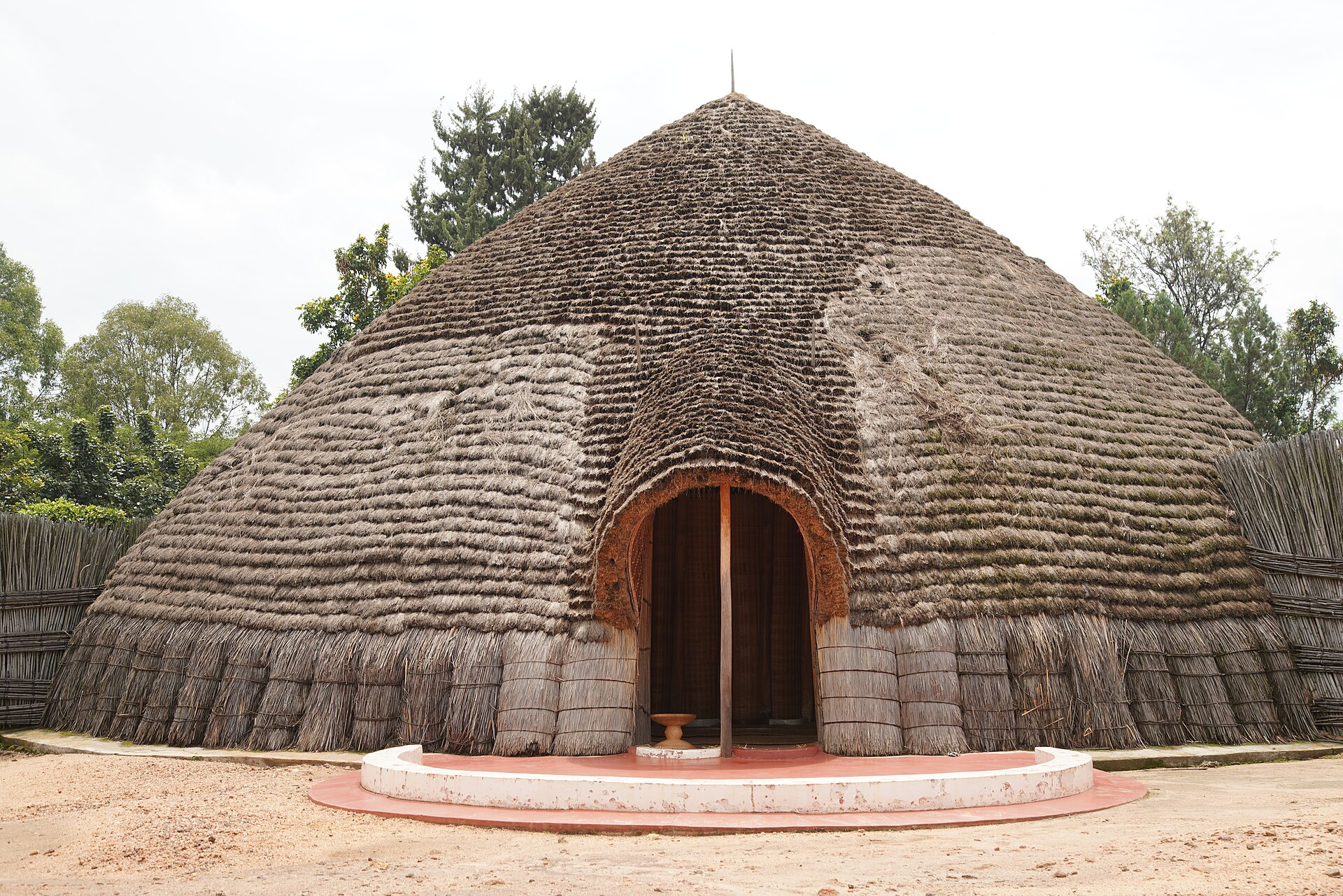
Nyanza — In 2023, Sankara Mutoni, a Rwandan artist and architect based in Belgium, toured the King's Palace Museum in Nyanza. The reconstructed royal residence stopped him in his tracks: from outside it looks small, he said, but once you enter it is huge.
That visit became Inzu, an illustrated book on Rwanda's architectural heritage and what it can teach builders now.
The words that hold the knowledge
During the tour, given in Kinyarwanda, Mutoni heard building terms he did not know. Igitabo, today the word for "book", also names a part of the traditional house that keeps water out. At the palace entrance stood inkingi y'imbabazi, the "pillar of forgiveness": a person condemned by the king could win a pardon by reaching and touching it.
He set out to learn the beliefs, customs and value of cattle that shaped the house, and to preserve the exact vocabulary so the knowledge is not lost. He is not calling for nostalgia, he said, but for appreciating the intelligence and sophistication of the language and how the ancestors saw things.
Lessons for building now
- Local materials: timber, clay, cow dung and other materials sourced nearby.
- Keeping cool: designs that handled heat without machines.
- The urugo: enclosed compounds where several generations shared space.
Mutoni does not argue for a return to compound living. The point, he says, is to understand the thinking behind these homes and use it for more sustainable, less import-dependent building. He encourages young architects to study it.
Source: The New Times via AllAfrica, 26 October 2026.