Côte d'Ivoire wants to turn its coconut palms into a strategic crop for 50,000 farming families
At the International Coconut Community meeting in India, Abidjan set out four priorities, from fair prices for growers to a permanent price-setting mechanism at home.
Lire cet article en français →
PANM — Côte d'Ivoire wants to make coconut growing a strategic part of its farm economy, its delegation told the 62nd session of the International Coconut Community (ICC) and its ministerial meeting in India, Le Banco reported.
The head of the Ivorian delegation, Aly Touré, represented the agriculture minister, Bruno Nabagné Koné, and set out the country's plans to raise production, improve growers' incomes and attract investment in local processing.
A crop that protects the coast
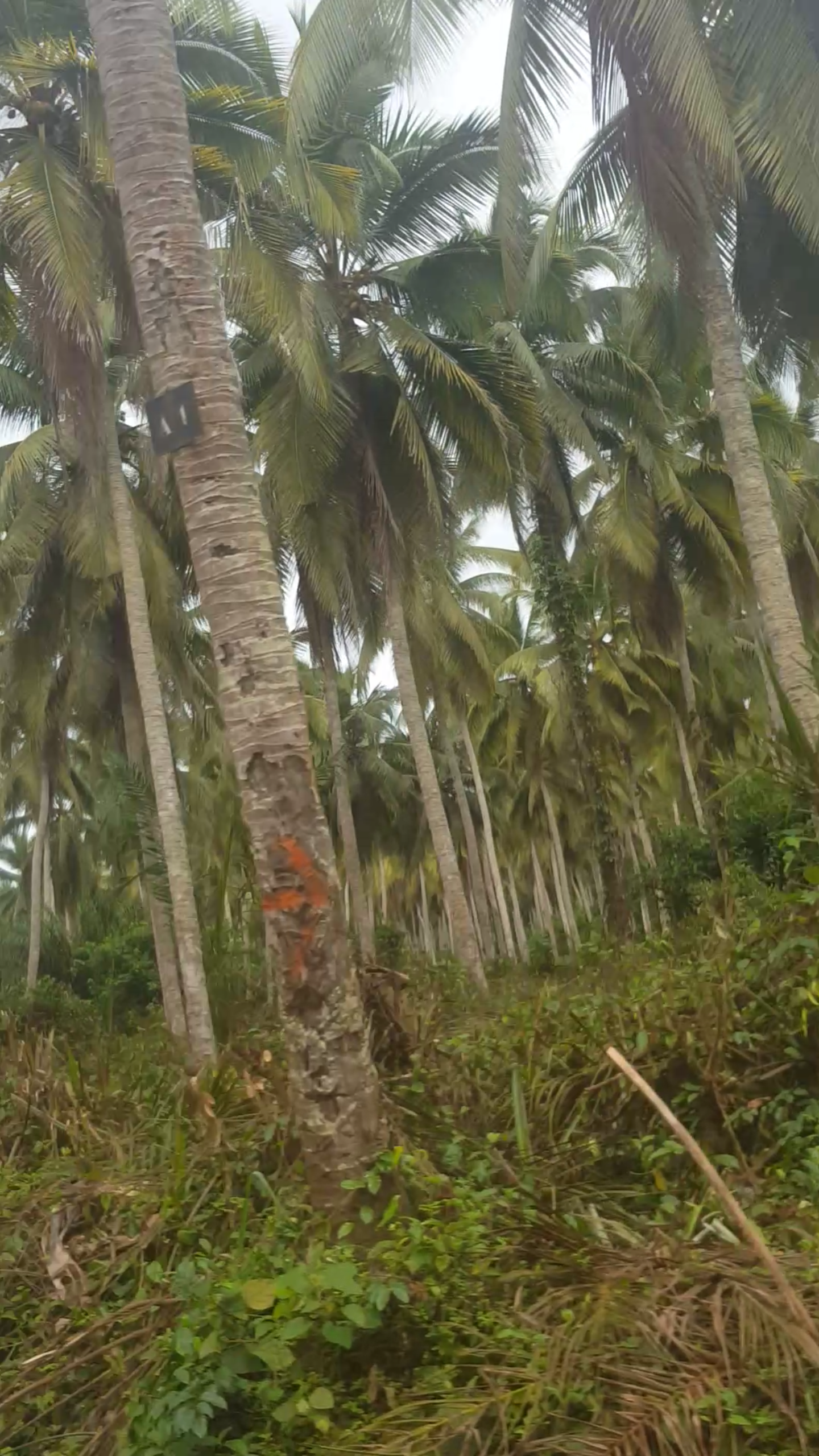
Côte d'Ivoire has more than 50,000 hectares of coconut palms, 60% of them along the coast. The crop supports more than 50,000 rural families and helps protect the shoreline. Touré put the sector's economic potential at more than 60 billion CFA francs. The country joined the ICC in 2023.
Four priorities
Touré said producing countries should:
- guarantee fair prices for growers
- share the added value fairly along the chain
- lower tariff barriers to reach markets
- invest in research, technology and cooperation against climate change
Reforms at home
The Rubber, Palm and Coconut Council (CHPC) regulates the trade, while the national agricultural research centre, CNRA, leads the science. Côte d'Ivoire hosts the International Coconut Genebank for Africa and the Indian Ocean, with 127 varieties, which exchanges material with countries including Brazil, Guinea and Jamaica.
The council is working on a permanent price-setting mechanism, better traceability to meet international standards, accredited local nurseries and replanting of old groves. It aims to have the sector's inter-professional body officially recognised from 2027.
Touré also called for cooperation against climate change and plant diseases such as lethal yellowing, and for industrial investment based on a "zero waste" model.
Source: Le Banco, 19 November 2026.