Explainer: Ghana says it is ready for the ECO. What is West Africa's single currency, and who can join?
The Bank of Ghana governor says Ghana meets the convergence criteria. The ECO is due for a phased launch in July 2027, after missed targets in 2003, 2015 and 2020.
Lire cet article en français →
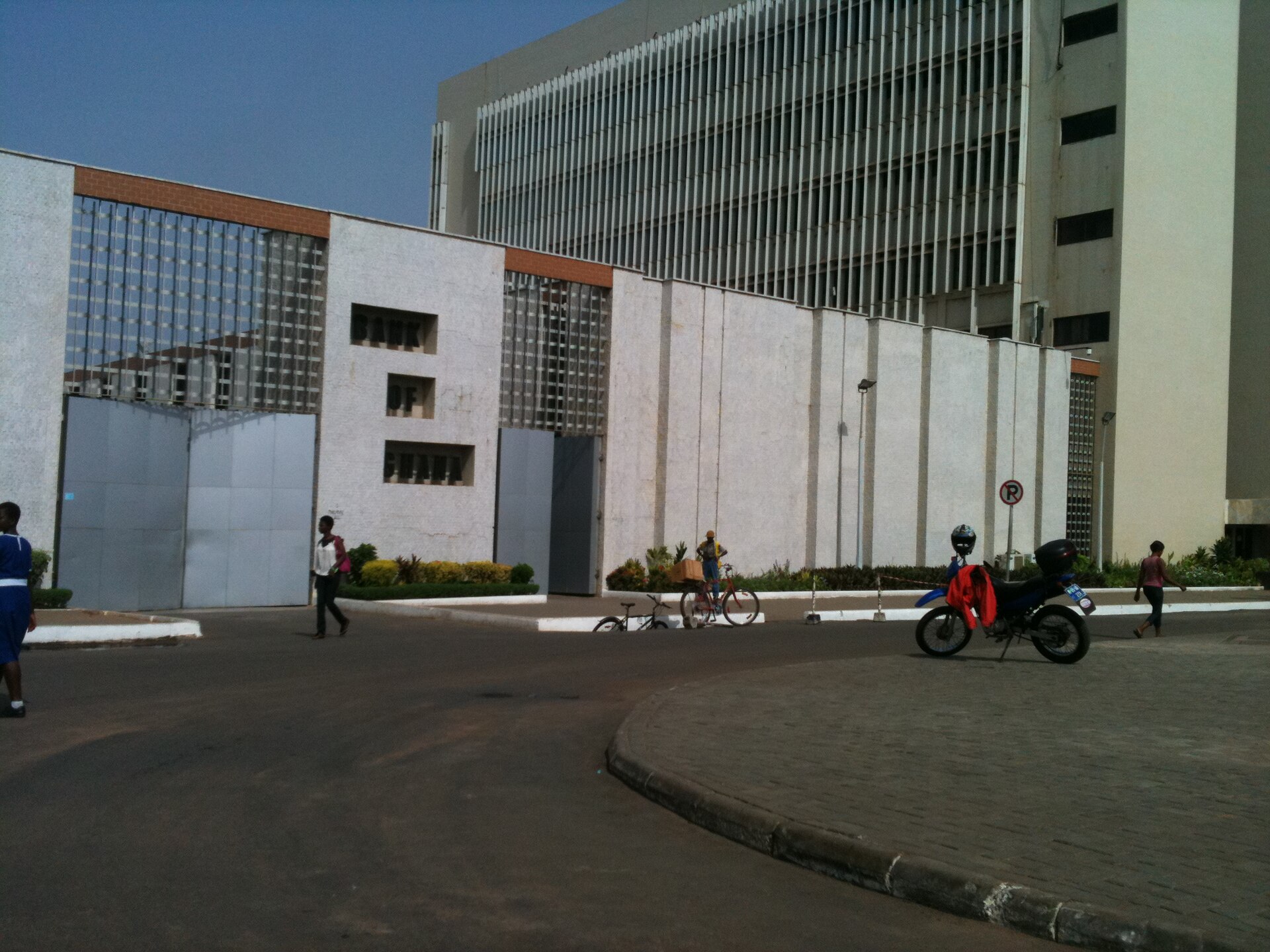
Accra — The governor of the Bank of Ghana says the country is ready to adopt the ECO, the single currency planned by the Economic Community of West African States (ECOWAS).
"When you look at the convergence criteria, we are ready," Dr Johnson Pandit Asiama said, adding that preparations were under way and that ECOWAS officials were meeting in Abidjan this weekend to work on outstanding issues, MyJoyOnline reported.
What is the ECO?
The ECO is a proposed regional currency meant to cut the cost of payments between West African countries and reduce reliance on outside currencies such as the US dollar and the euro. National currencies would circulate alongside it, and it would be used to settle trade between participating countries.
It is scheduled for a phased launch in July 2027. Earlier target dates of 2003, 2015 and 2020 were missed. At a 2025 meeting of the ECOWAS Convergence Council, finance ministers and central bank governors recommended keeping the 2027 target.
Who can join first?
At the West African Integration and Investment Summit in Freetown, President John Mahama proposed a phased approach: countries that meet the conditions and are ready would go first.
ECOWAS now has 12 members, after the withdrawal of the Alliance of Sahel States: Benin, Cabo Verde, Côte d'Ivoire, The Gambia, Ghana, Guinea, Guinea-Bissau, Liberia, Nigeria, Senegal, Sierra Leone and Togo.
The 10 tests
There are four primary criteria:
- inflation of no more than 5%
- a budget deficit, including grants, of no more than 3% of GDP
- central bank lending to the government of no more than 10% of the previous year's tax revenue
- foreign reserves covering more than three months of imports
And six secondary ones: public debt of no more than 70% of GDP, positive real interest rates, exchange-rate movements within 15%, tax revenue of about 20% of GDP, capital spending of at least 20% of domestic revenue, and a wage bill of about 35% of tax revenue.
What could still slow it down
Asiama named two things: practical arrangements, and whether other member states can meet the criteria. ECOWAS points to a market of more than 450 million people, regional growth of 4.7% and an investment pipeline of more than US$180 billion as the economic case for the currency.
Source: MyJoyOnline, 20 November 2026.