From Luthuli to Pillay: South Africa's Nobel peace line
Navi Pillay is the fifth South African to win the Nobel Peace Prize. The first four were honoured for ending apartheid. She is honoured for what came after.
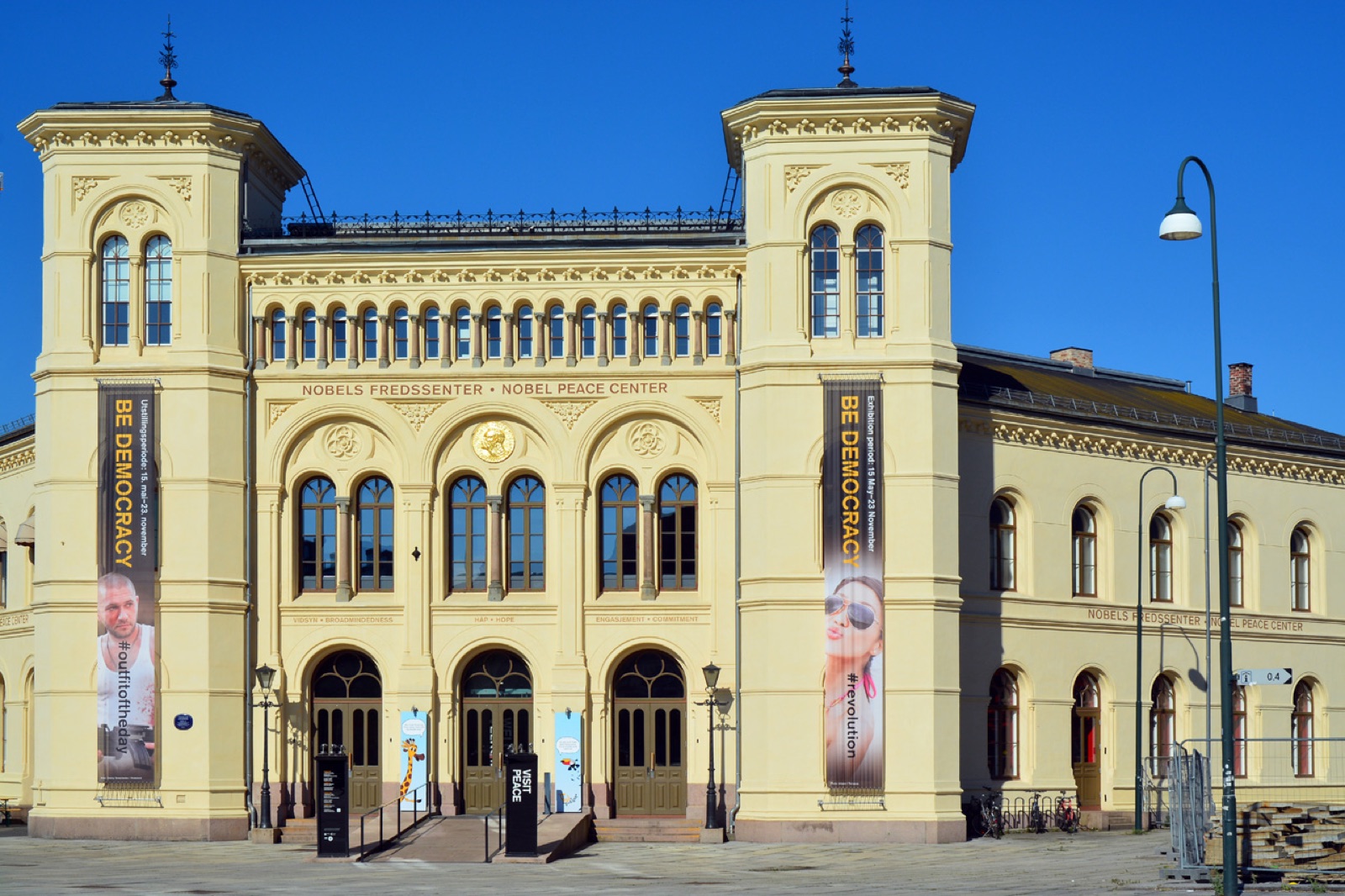
PANM — When Navi Pillay's name was read out in Oslo on Friday, she joined a short list. Four South Africans had won the Nobel Peace Prize before her.
The four before
Albert Luthuli was the first, awarded the prize for 1960. A Zulu chief and president of the African National Congress, he led a non-violent campaign against apartheid while banned and confined by the government.
Desmond Tutu followed in 1984. The Anglican bishop had become the best-known voice of peaceful opposition to apartheid at home and abroad.
Nelson Mandela and F.W. de Klerk shared the prize in 1993, the former prisoner and the last apartheid president, for negotiating the end of white minority rule.
All four were honoured for their part in one struggle inside one country.
The fifth
Pillay's prize is different. It was given for work on international law.
Her path began in the same place. The African Union Commission, congratulating her on Saturday, traced it from anti-apartheid activism to the International Criminal Tribunal for Rwanda, the International Criminal Court and the United Nations.
Its chairperson, Mahmoud Ali Youssouf, said her work "advancing accountability for genocide, crimes against humanity and conflict-related sexual violence has helped strengthen the foundations of international justice". He called the prize a "well-deserved recognition" of a "lifelong dedication to justice, human dignity and peace", and said it mattered for the place of African women in global leadership.
What the line says
Read together, the five prizes follow South Africa's own journey. The first four mark the fight to end an unjust system at home. The fifth marks what one of its lawyers did with that experience afterwards: helping to build courts where the powerful anywhere can be made to answer.
It arrives at a hard moment for those courts. On the day Pillay won, the United States imposed sanctions on the International Criminal Court.
"Lasting peace," Youssouf said, "must be grounded in justice, accountability and respect for the rule of law."
Source: African Union Commission, 10 October 2026. Details of earlier laureates are from the public record of the Nobel Peace Prize.