The World Bank's AI advice for Africa: think small
Forget the race for giant models. The bank says the continent's opening is in cheap, local tools for farms, clinics and classrooms, if the power stays on.
PANM — Most of the talk about artificial intelligence is about scale: bigger models, bigger data centres, bigger bills. The World Bank's advice to Africa this month points the other way.
In the special section of its October economic update on the region, the bank argues that Africa's best opportunity lies in what it calls small AI: "affordable, locally adapted" applications built for particular jobs.
Where it could work
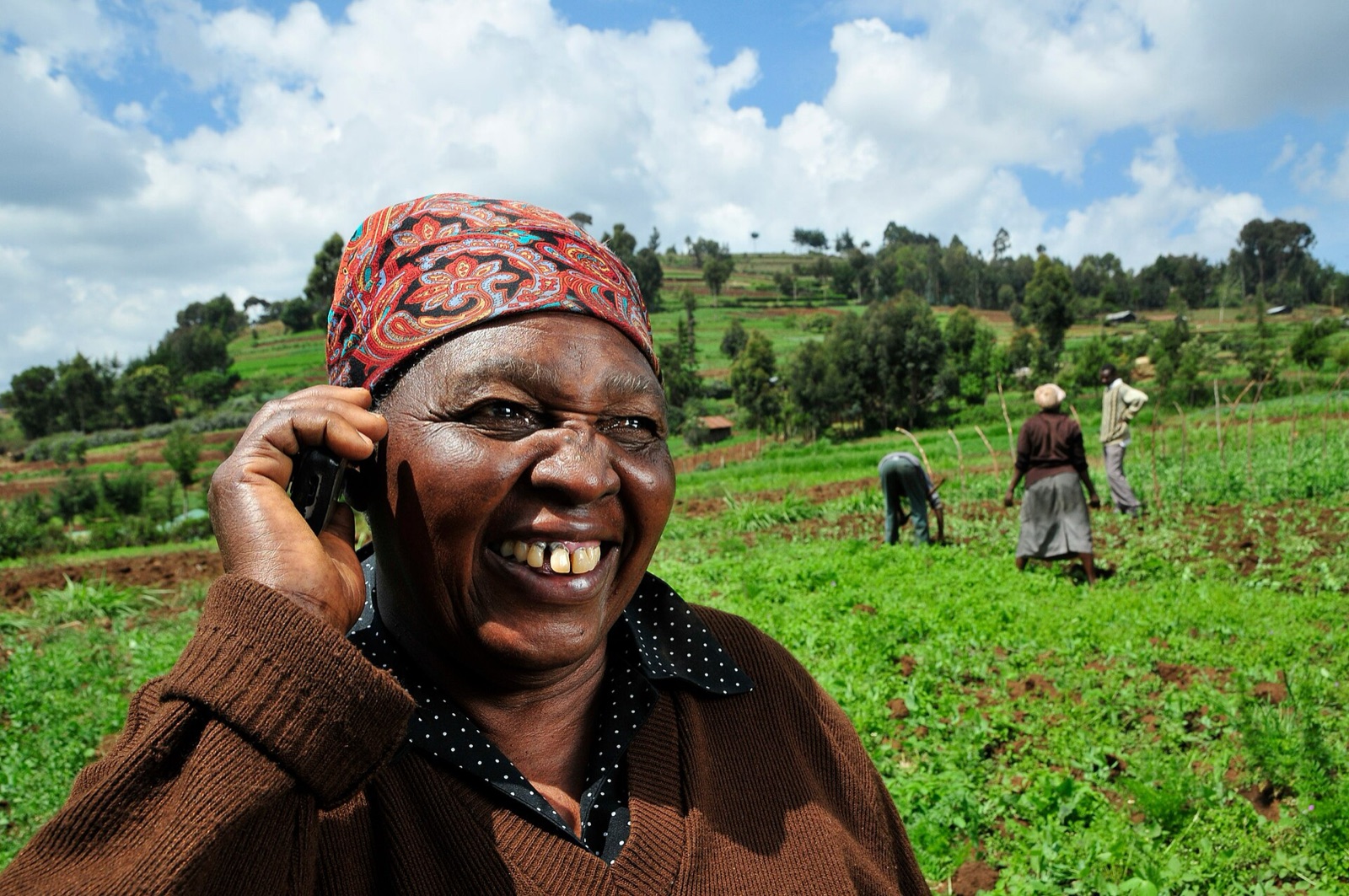
The bank names six areas: education, agriculture, health, finance, logistics and public administration. These are fields where a modest tool that works on an ordinary phone, in a local language, can reach far more people than an advanced system that needs a fast connection.
Where Africa stands
Most countries in the region are at an early stage of adopting AI, the bank says. What activity there is clusters in three countries: Kenya, Nigeria and South Africa.
The catch
None of it works without the basics. The bank lists six things an economy needs before AI can raise productivity:
- reliable electricity;
- affordable internet;
- digital skills;
- good data;
- computing power;
- rules that people can trust.
Several of those are the same gaps that have held back African business for decades. The bank's point is that AI does not remove them. It raises the price of leaving them unfixed.
Why it matters now
The bank ties the argument to jobs. The region's economy is growing at 4.3%, but not fast enough to employ a workforce that is expanding quickly.
"By investing in the foundations of an AI-ready economy, African countries can unlock productivity gains, spur innovation, and accelerate the structural transformation needed to raise living standards and reduce poverty," said Andrew Dabalen, the bank's chief economist for Africa.
Source: World Bank press release, 6 October 2026.