Ghana plans to make its first locally manufactured vaccine, for tetanus and diphtheria, by early 2027
President Mahama opened new vaccine research and DNA laboratories at the Noguchi institute, including an mRNA lab, as Ghana moves beyond fill-and-finish.
Accra — Ghana expects to produce its first locally manufactured vaccine, against tetanus and diphtheria, by the first quarter of 2027, MyJoyOnline reported.
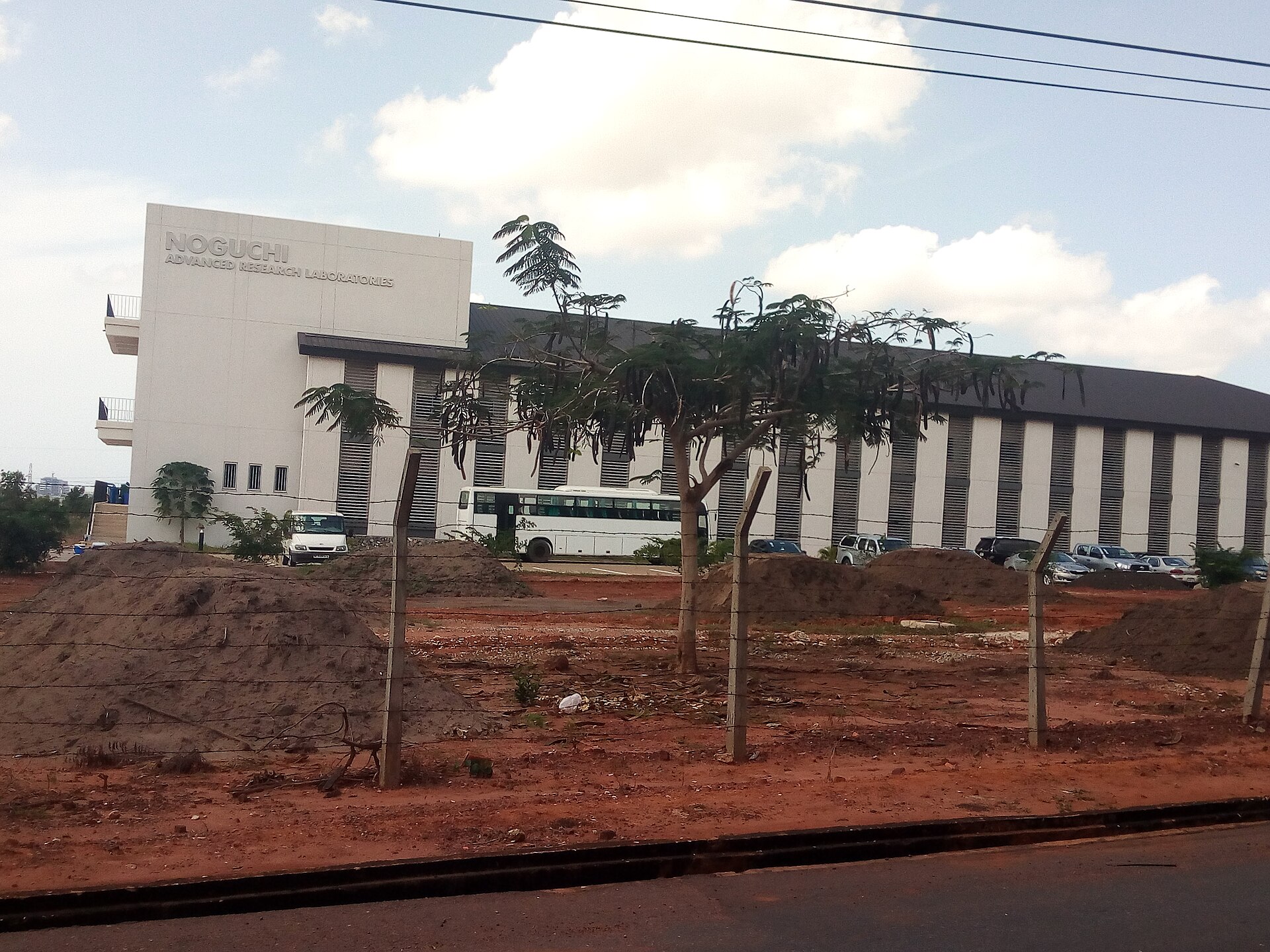
Dr Sodzi Sodzi-Tettey, chief executive of the National Vaccine Institute (NVI), gave the date on Wednesday as President John Mahama opened new vaccine research and development laboratories and a national DNA laboratory at the Noguchi Memorial Institute for Medical Research, University of Ghana, in Accra.
From fill-and-finish to full manufacturing
The first of three bulk substances needed to make the vaccine is already in the country, at the premises of Atlantic Life Sciences, Sodzi-Tettey said. It was made in Indonesia under a grant arranged by the Ministry of Health, which should lower production costs.
The government has fully funded the equipment and the training of scientists for a new mRNA laboratory. The NVI is working with Africa CDC and the International Vaccine Institute to link Ghana's research with other mRNA hubs on the continent.
The new laboratories include an mRNA expression lab and a protein expression lab. A Ghana Biomanufacturing Training Consortium of universities and industry is due by the end of 2027 to train the specialists needed for end-to-end manufacturing.
A guaranteed buyer
Sodzi-Tettey said the health minister had prepared a Cabinet memo seeking advance market commitments and 10-year purchase agreements for locally made vaccines. He estimated Ghana will need at least US$50 million a year for vaccines and called for a dedicated fund "that would assure the industry that not only are we promising to purchase, but we have the financial backing to continue to purchase."
Answers at home
The DNA laboratory means Ghana no longer has to send samples abroad for identification after national tragedies, as it did after the military helicopter crash of August 2025. "I take immense pride in the progress we have made as a nation," Mahama said.
Sources: MyJoyOnline, MyJoyOnline, 20 November 2026.