'It is our culture and identity': deaf Nigerians work to keep their own sign languages alive
Hausa sign language is widely used across the north. Researchers say documentation and funding are needed before indigenous sign languages are lost.
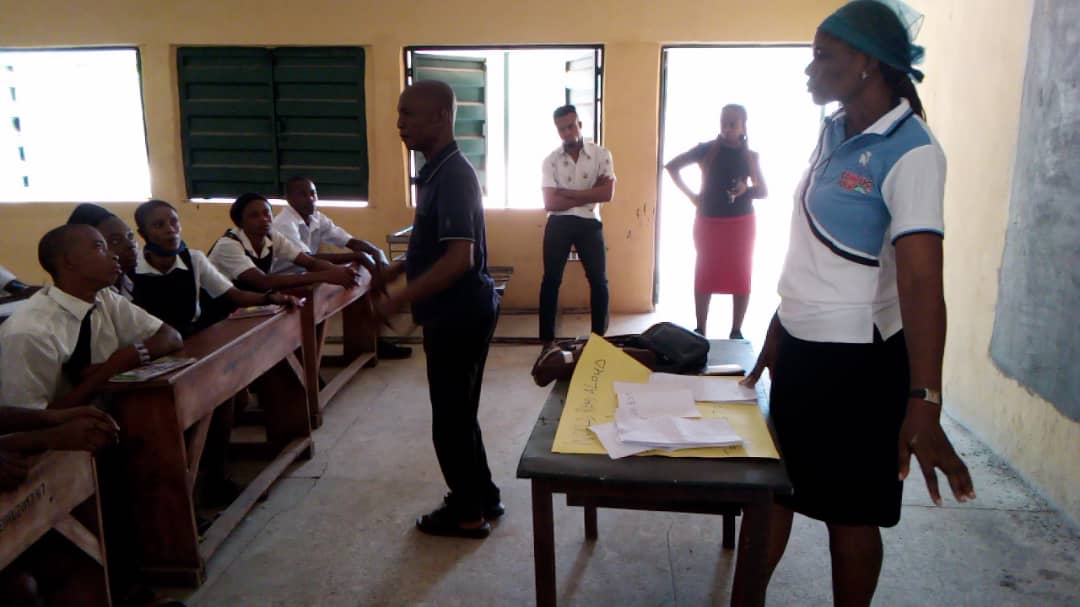
Abuja — Deaf communities in Nigeria are working to preserve indigenous sign languages that existed long before formal sign language education came to the country, Africanews reported.
In Abuja, 37-year-old Umaru Zayyanu uses Hausa sign language, which has become a common way for deaf people across northern Nigeria to communicate. He describes it as part of his cultural identity.
"It is our culture and identity," Zayyanu said, adding that deaf communities already had their own languages before formal schooling.
Wider recognition
Sanni Lawal, a deaf laundry worker, hopes to see indigenous sign languages spread beyond local communities and gain wider recognition.
Researchers warn that limited funding, poor documentation and the growing dominance of formal sign languages could put some indigenous systems at risk of disappearing.
Sign language researcher Taiwo Ajayi said documenting and developing these languages is essential, especially for deaf people who have never had access to formal education.
Activists are calling for more recognition and investment so that Nigeria's linguistic diversity, including its sign languages, is not lost.
Source: Africanews, 19 November 2026.