Makerere: the Kampala university that taught presidents and writers across East Africa
Founded as a technical school in 1922, it is East Africa's oldest active university, counting Julius Nyerere, Mwai Kibaki and Ngũgĩ wa Thiong'o among those who studied there.
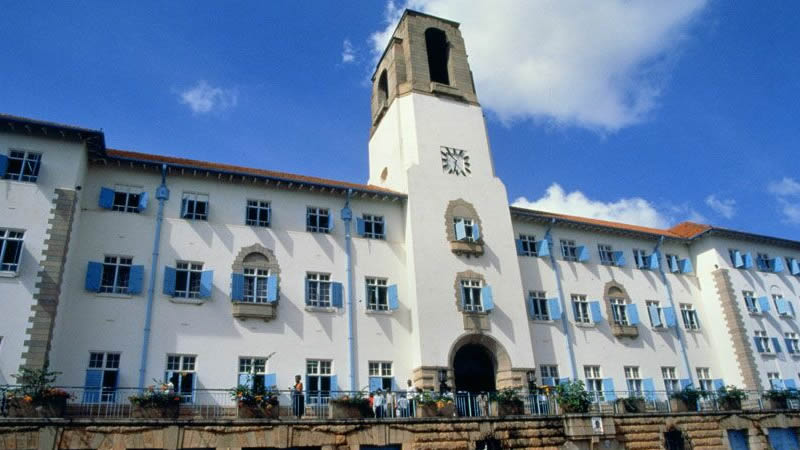
Kampala — Makerere University is Uganda's largest and oldest institution of higher learning and the oldest active university in East Africa. Its main campus is in the Makerere neighbourhood of Kampala, with a second campus in Jinja. Today it has nine colleges and one school, teaching about 36,000 undergraduates and 4,000 postgraduates.
From carpentry to degrees
It began in 1921 as a trade school offering carpentry, building and mechanics. In 1922 it became Uganda Technical College, adding arts, education, agriculture and medicine, and was renamed Makerere College the same year. From 1937 it offered post-secondary certificate courses. A British commission reporting in 1945 recommended raising it to full university level, and in 1970 it became an independent national university.
A school for leaders
Many leaders of independent Africa studied at Makerere, including Uganda's Milton Obote, Tanzania's Julius Nyerere and Benjamin Mkapa, Kenya's Mwai Kibaki and the Democratic Republic of the Congo's Joseph Kabila.
In the years after independence, the campus was a centre of the literary activity at the heart of African nationalist culture. Writers who spent time there include Ngũgĩ wa Thiong'o, Nuruddin Farah, Ali Mazrui, David Rubadiri, Okello Oculi, John Ruganda and Peter Nazareth, as well as V. S. Naipaul and Paul Theroux.
The university's main administrative block, damaged by fire in 2020, has since been rebuilt.
Background: Wikipedia.