Njangi, tontine, susu, chama: how Africa's savings clubs work, explained
Long before mobile banking, groups of friends, traders and neighbours pooled money and took turns to collect it. Millions still do.
Lire cet article en français →
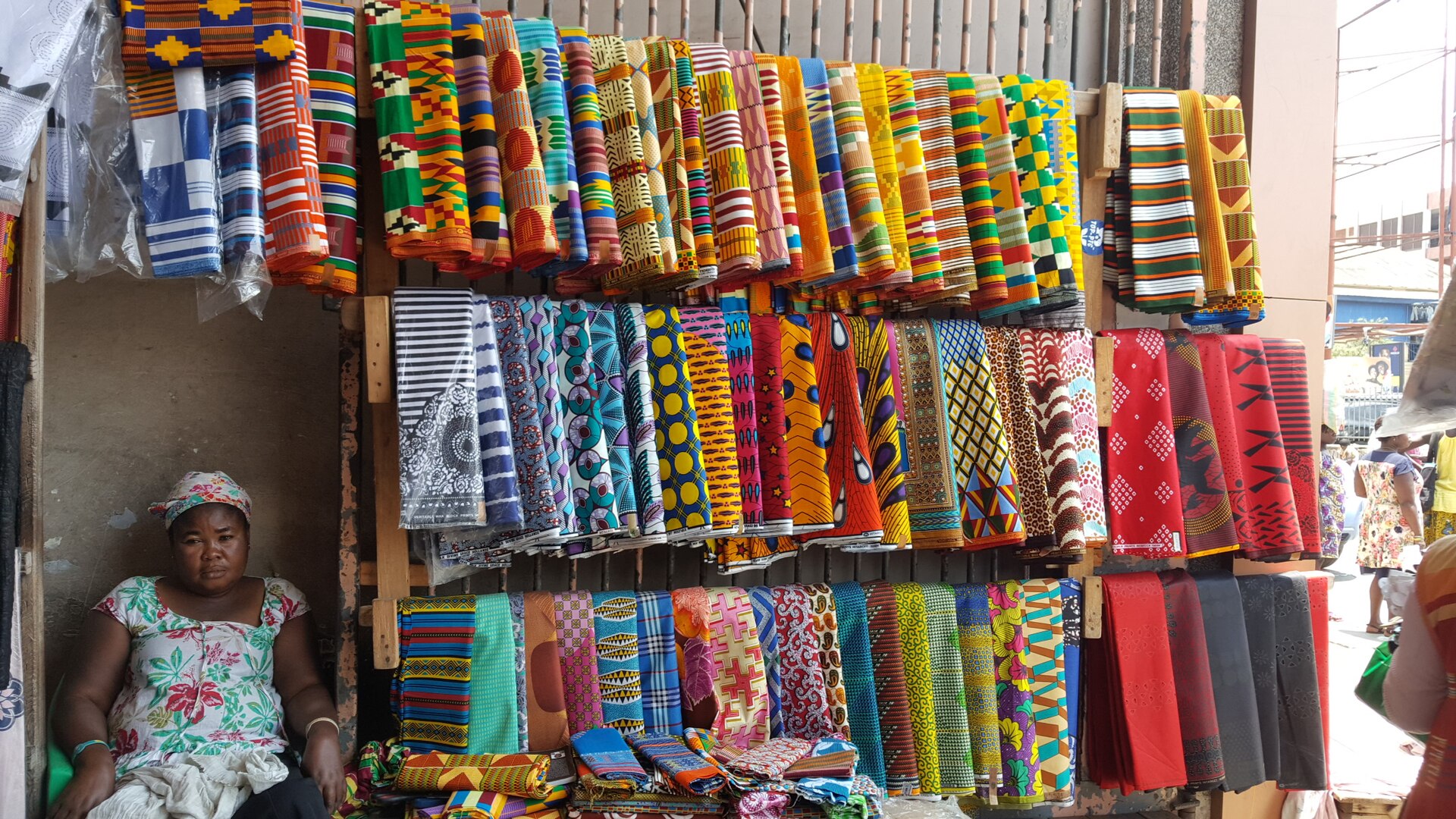
PANM — In Cameroon it is a njangi. In Senegal and Côte d'Ivoire, a tontine. In Ghana and Nigeria, susu or esusu; in Kenya, a chama; in South Africa, a stokvel; in Ethiopia, an equb; in the Democratic Republic of the Congo, a likelemba. The names change, but the idea is the same, and it is one of the oldest forms of finance on the continent.
How it works
Economists call it a rotating savings and credit association. A group agrees to meet for a set period. At each meeting, every member pays in the same amount. One member takes the whole pot, and the turn rotates until everyone has collected once.
Take ten members paying 10,000 CFA francs a month. Each month one person receives 100,000. The first to collect gets what is in effect an interest-free loan; the last has saved steadily and gets the same sum at the end. The economist F. J. A. Bouman called it "the poor man's bank, where money is not idle for long".
Why people use it
- Discipline. A regular meeting and the eyes of the group keep people saving.
- A lump sum. It turns small amounts into enough for school fees, stock for a shop, a sewing machine or a building project.
- Protection. Money in the group is harder for relatives to ask for than cash kept at home.
- Trust, not paperwork. No bank account or collateral is needed.
Rules to agree first
The order of turns, what happens if someone misses a payment, and who keeps the records. Many groups add a social fund for weddings or funerals.
Going digital
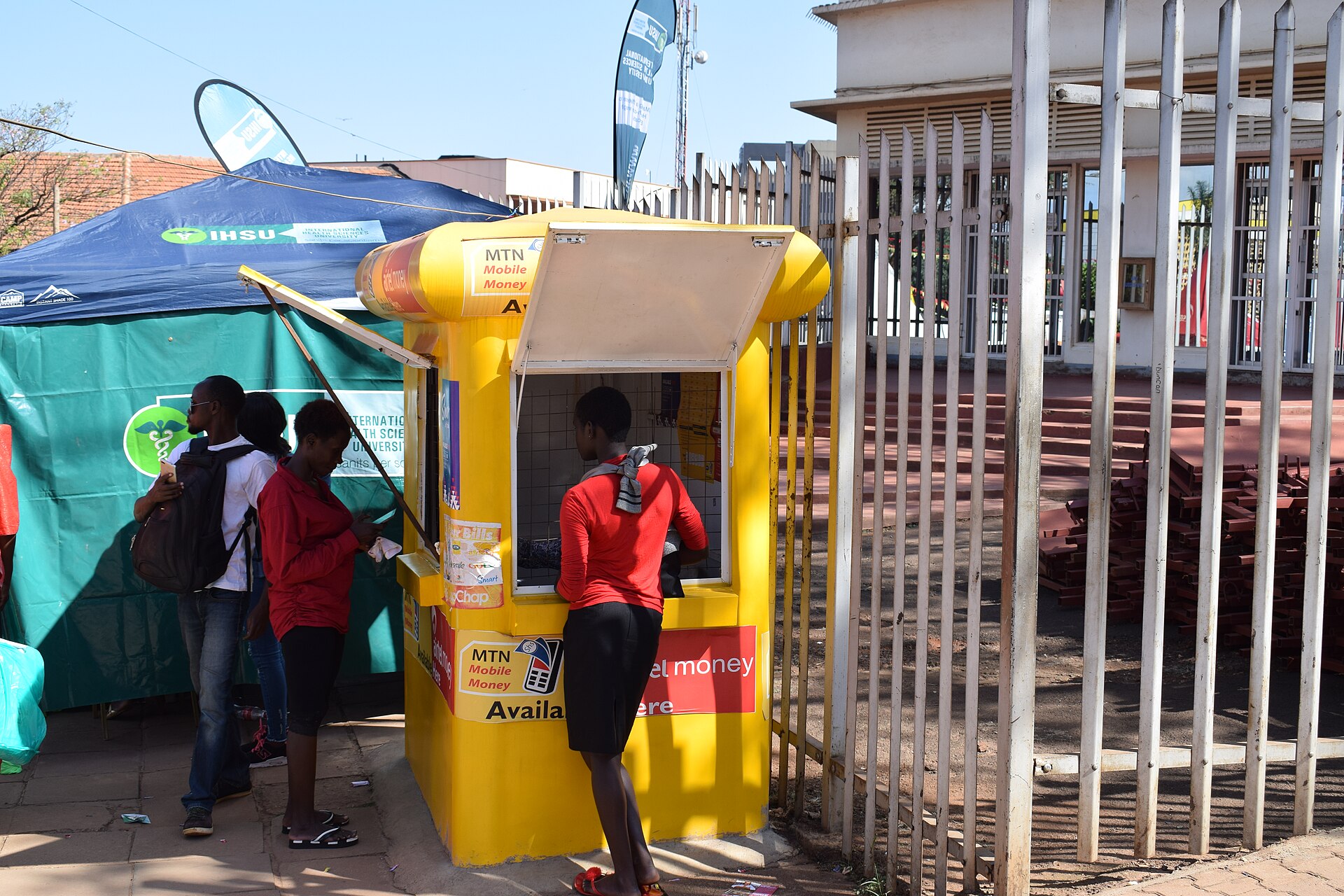
A close cousin, the village savings and loan association, lets members borrow from a pooled fund; such groups count millions of members in Africa. Apps now digitise the model, and many diaspora groups run their tontines over WhatsApp and mobile money.
Background: Wikipedia.