Shared water and power plants are helping Africa spin and dye its own cotton
Industrial parks in Ethiopia, Benin and Togo recycle up to 90% of their water, cutting what each factory must build.
Lire cet article en français →
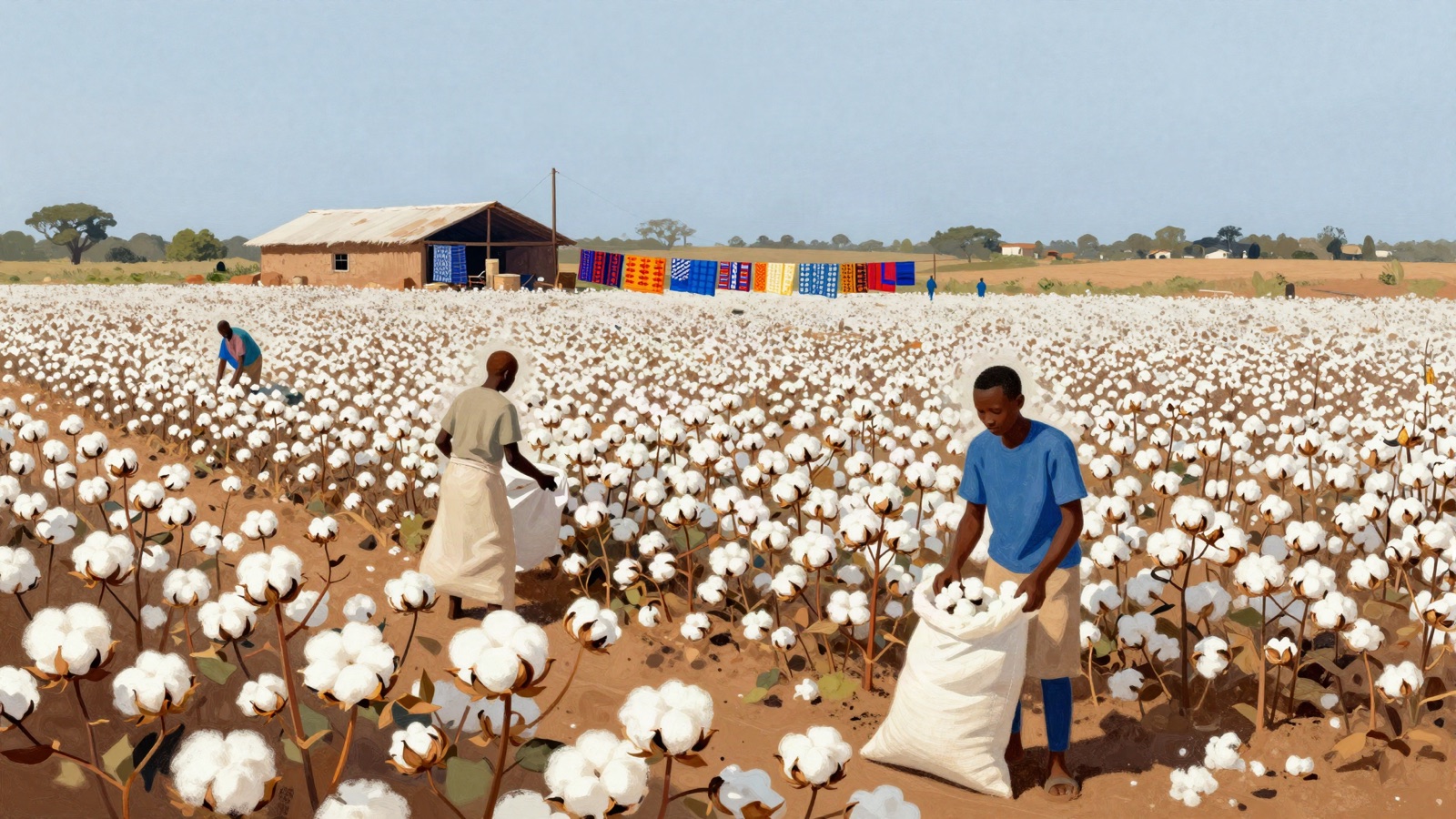
Cotonou — African countries that grow cotton but export it raw are finding a way to make more of it at home: industrial parks that provide shared water treatment, power and logistics, so each textile factory does not have to build its own.
Dyeing, bleaching and finishing fabric use large amounts of water, chemicals and heat, and the waste must be treated. When a park developer runs these services centrally, factories pay to use them instead of financing them up front.
Where it is working
- Hawassa, Ethiopia: the textile park's plant treats up to 11 million litres of wastewater a day using zero liquid discharge, and the city reports 90% water recovery. A World Bank study found the system cost US$3.40 per cubic metre to run while factories paid US$0.80, a sign of the public support behind it.
- Glo-Djigbé, Benin, and Adétikopé, Togo: both ARISE zones have operating common effluent plants. An IFC review says textile firms at Glo-Djigbé reuse 85–90% of their water.
Kenya-based textile specialist Rajeev Arora said plug-and-play green parks can put spinning and garment-making side by side. Research by the Nigerian Economic Summit Group found shared facilities cut the cost of industrial investment.
The model also brings duties: factories with heavily polluted wastewater must pre-treat it before it enters the shared system.
Source: AllAfrica, 29 October 2026.