Snakebite: sub-Saharan Africa carries 45% of the world's burden
A new global map shows snakebite is far more common than recorded. Nigeria, DR Congo and Ethiopia are most affected, and the tools to cut deaths are known.
PANM — Snakebite is one of Africa's most neglected health problems. A new study in PLOS Medicine, described in The Conversation by Dileepa Ediriweera of the Liverpool School of Tropical Medicine, shows it is far bigger than official figures suggest.
The numbers
- At least 2.1 million people a year are poisoned by snakebites worldwide, and perhaps up to 7 million.
- Between 274,000 and 513,000 die each year.
- More than 800,000 survivors are left with lasting disabilities, including amputations.
- Sub-Saharan Africa accounts for 45% of envenomings and deaths, at rates nearly three times those in South Asia.
- Nigeria, DR Congo and Ethiopia are most affected.
- More than half of countries with venomous snakes do not record bites.
Why Africa is hit hard
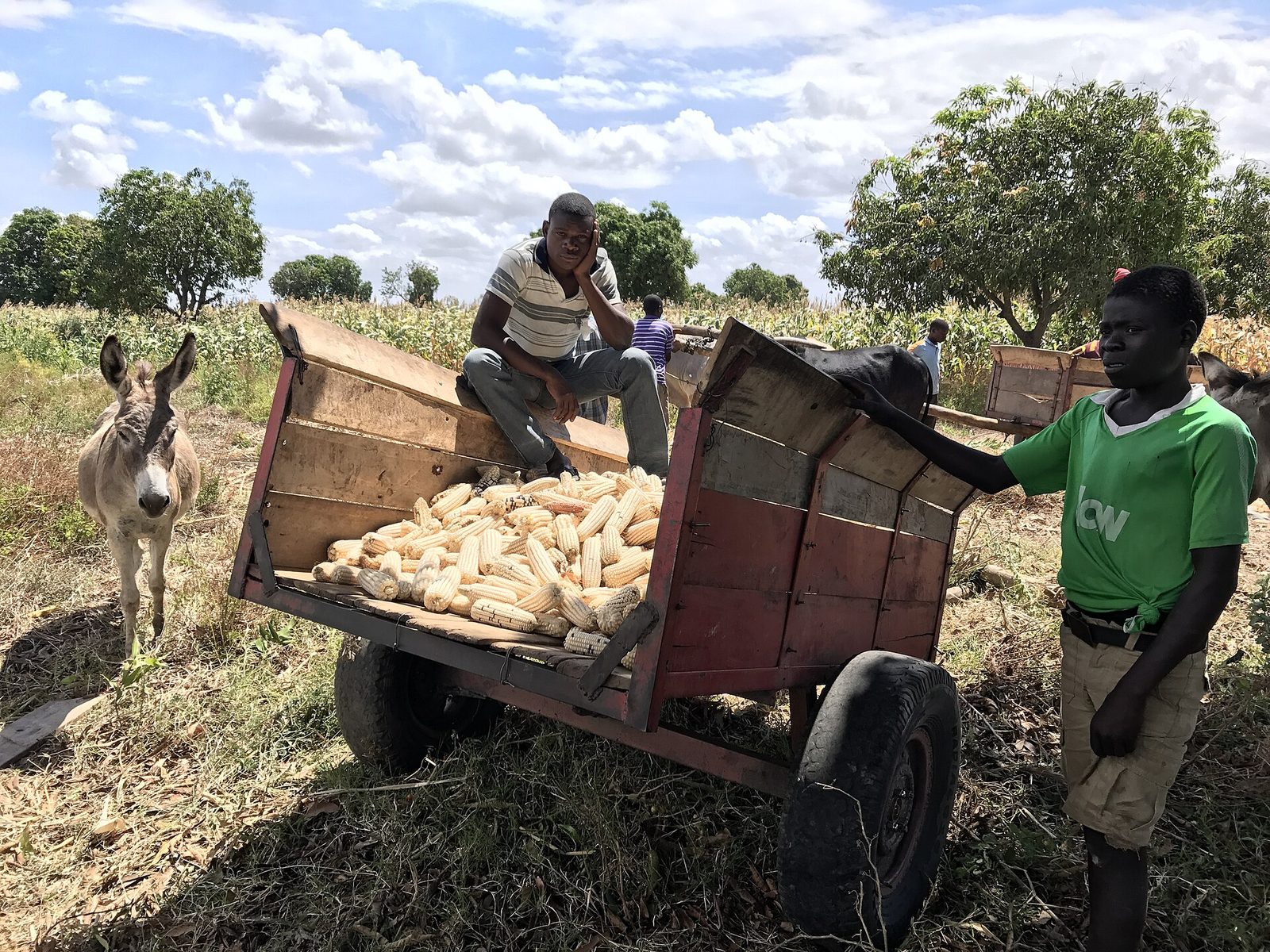
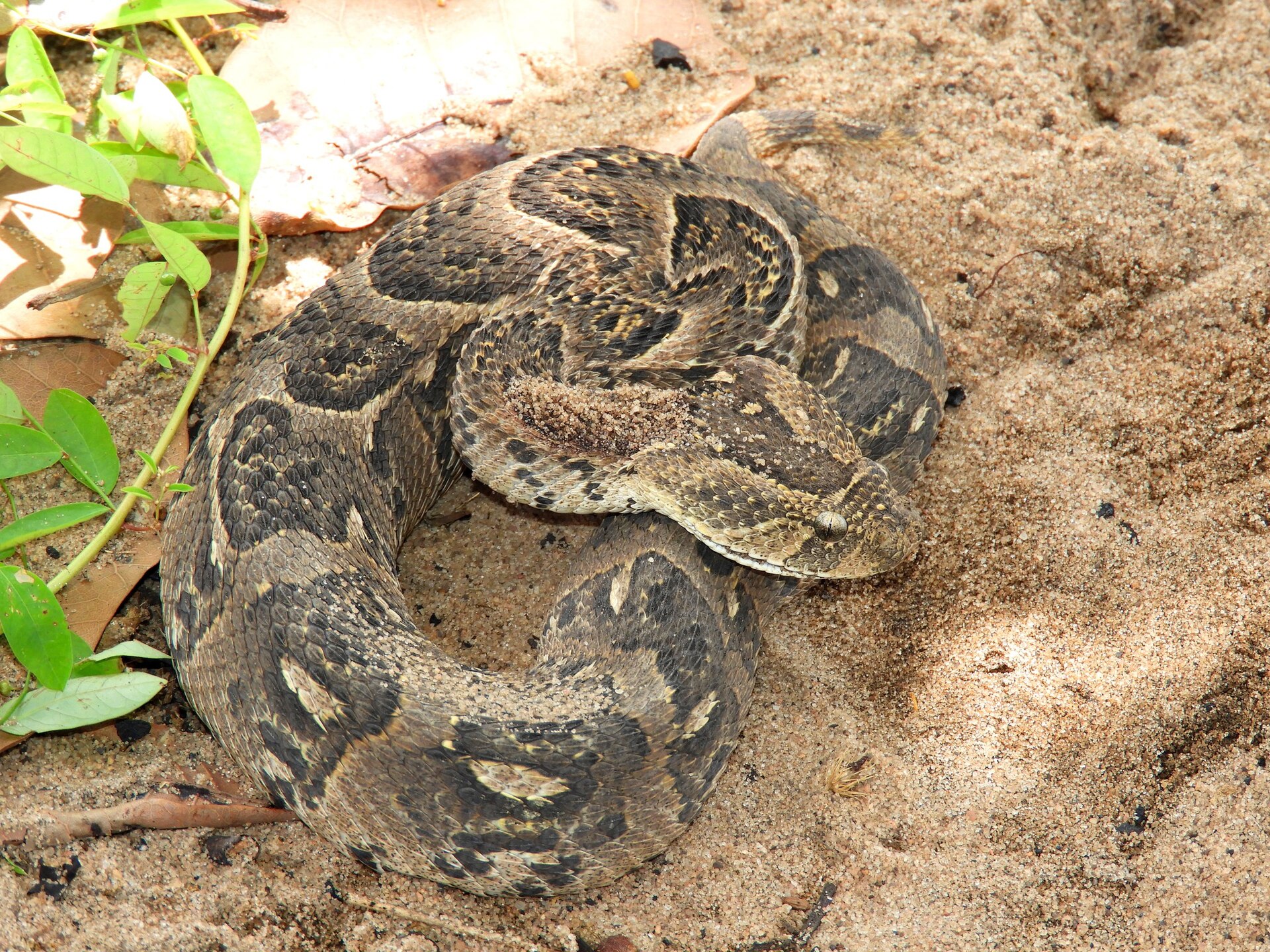
The region has many dangerous species: saw-scaled vipers, puff adders, cobras and mambas. Farmers often work without boots and walk unlit paths at night. Long journeys to clinics, and antivenom that is costly or unavailable, turn bites into emergencies.
What saves lives
1. Use risk maps to find hotspots. 2. Stock antivenom where it is most needed. 3. Train primary health workers in high-risk rural areas. 4. Improve fast transport to care.
The WHO aims to halve snakebite deaths and disabilities by 2030. With better data, African health systems can direct antivenom and training to the communities that need them.
Source: The Conversation, 12 October 2026.