What it would take to make Africa food secure
A G20 business group points to open trade, resilient supply chains and better use of seeds and fertiliser. Economist Wandile Sihlobo explains.
Johannesburg — What stands between Africa and food security? Wandile Sihlobo, chief economist of the Agricultural Business Chamber of South Africa and a senior fellow at Stellenbosch University, set out in The Conversation the principles a G20 business working group endorsed during South Africa's G20 presidency.
Three principles
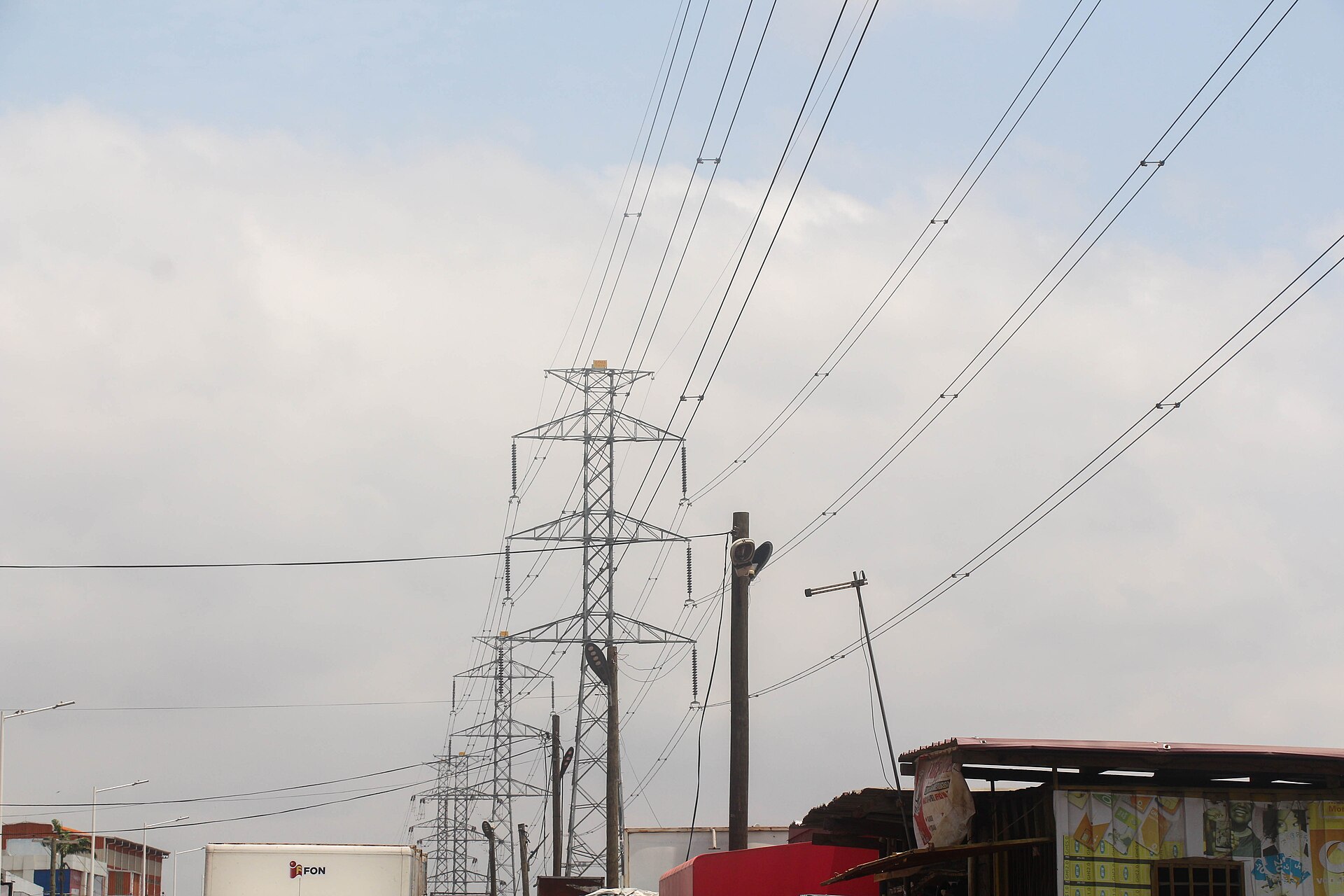
1. More trade: ease tariffs, other barriers and export bans, and keep farm trade open. India's 2023 rice export ban, which sent global prices soaring, shows the cost of closing borders. 2. Resilient supply chains: make sure food can be grown, processed and moved even through disasters and conflict, with investment in roads and ports, including to get fertiliser to farms. 3. Sustainable farming: share climate-smart practices, coordinate disaster response, and use seeds, fertiliser and crop protection safely and well, rather than cutting them.
Africa's to-do list
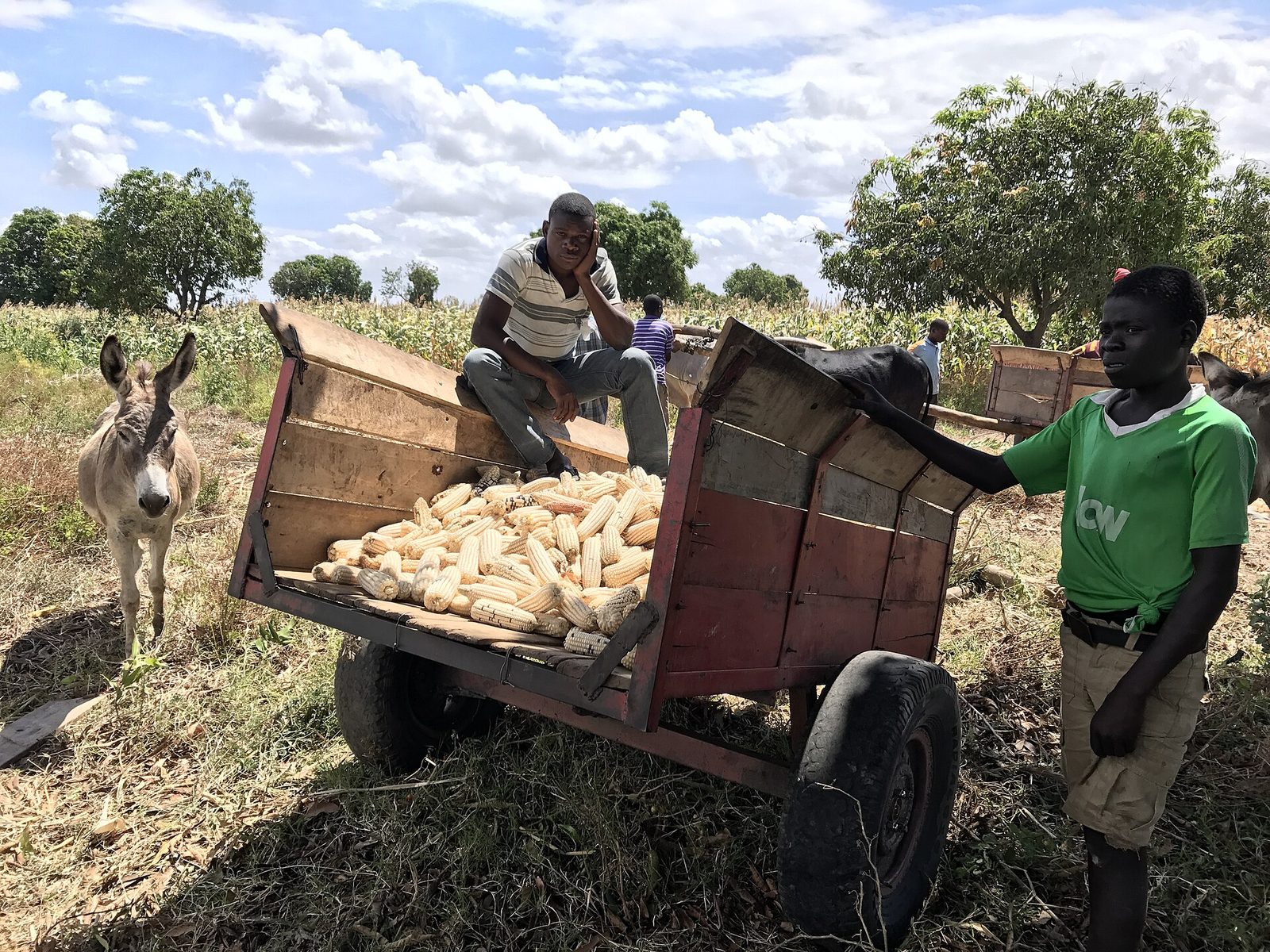
- Fertiliser: sub-Saharan farmers use too little. Making more in Africa, trading it more easily and making finance affordable would lift yields.
- Local production: grow and process more food close to home.
- Trade deals: South Africa has won better access to several G20 markets, a model for others.
Higher yields, open trade and reliable supply chains together could turn African farming into an engine of food security and jobs.
Source: The Conversation, 10 November 2025.