The Ransom Economy: Who Pays the Price?
Amina (a pseudonym) has spent more than a year waiting for a phone call that will tell her whether her husband has been released or provide any information about his fate. He was abducted following the fall of El Fasher. During our meeting with Amina, we will hear her full story: what happened, how, where, and when her husband was abducted, and what the first phone call she received revealed. We
elfashir — Amina (a pseudonym) has spent more than a year waiting for a phone call that will tell her whether her husband has been released or provide any information about his fate. He was abducted following the fall of El Fasher.
During our meeting with Amina, we will hear her full story: what happened, how, where, and when her husband was abducted, and what the first phone call she received revealed. We will explore how the kidnappers demanded increasingly large ransoms with each call and how, like many Sudanese families, Amina’s family has been unable to afford these enormous sums. What has the family done in response, and how do they continue searching, every day and every moment, for any possible way to raise the money and save the life of their family’s breadwinner?
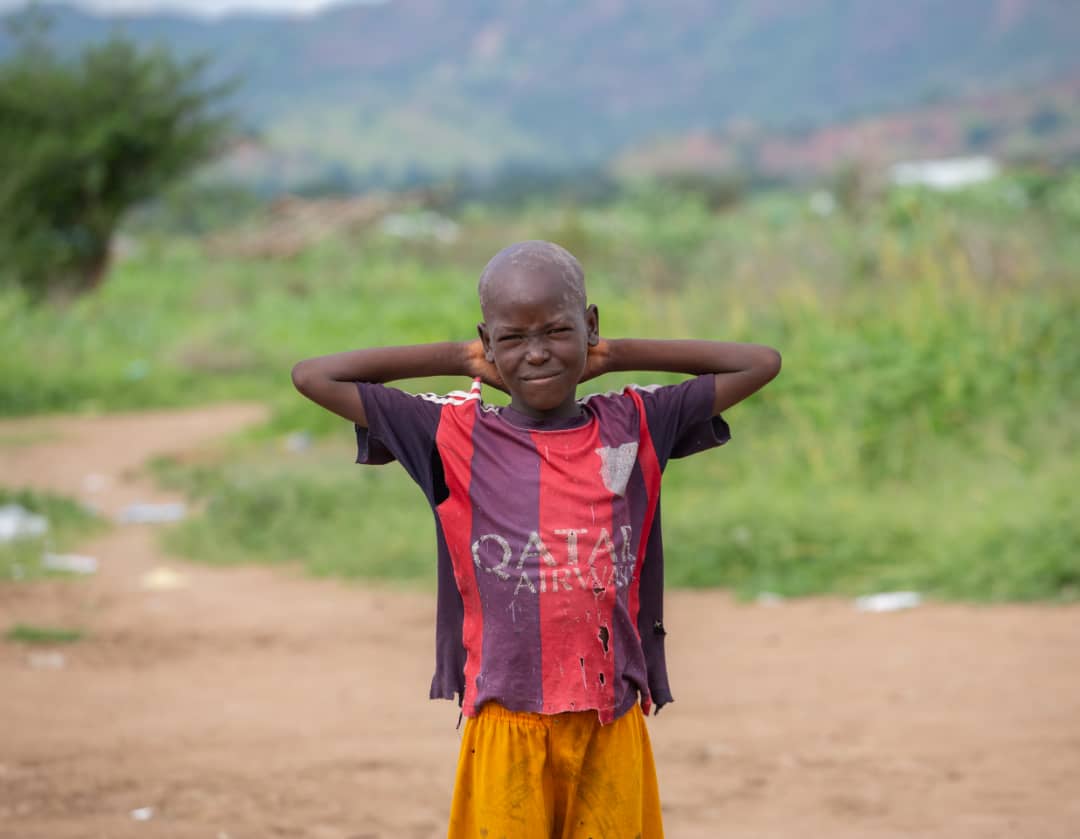
We will also explore the impact on her children, who constantly ask about their father, and how the abduction has transformed the life of an entire family, leaving them trapped in a cycle of continuous suffering and uncertainty.
We will also meet Sara (a pseudonym), whose brother was abducted because he was a trader in El Fasher’s market. The militia reportedly believed that his family had substantial savings and could immediately pay a large ransom for his release. However, the war, displacement, and starvation during the siege of El Fasher before its fall had already left the family completely impoverished. They were reduced to living at subsistence level, with virtually nothing left to pay.
Through interviews with these two families, the story will examine kidnapping and ransom from a human perspective, revealing how these crimes devastate the lives of families whose loved ones are abducted despite being ordinary civilians. Beyond the individual experiences, the investigation will explore the emergence of kidnapping for ransom as a phenomenon during the current war, a practice that was not widely known in Sudanese society before the conflict.
We will seek interviews with sociologists and other relevant experts to examine the social dynamics behind this phenomenon and its consequences for families and communities. We will also use open-source research and available documentation to establish verified figures on the number of people abducted and the ransoms demanded or paid since the outbreak of the war, with particular attention to cases documented since the fall of El Fasher up to the present.
By combining the testimonies of affected families, expert analysis, and open-source evidence, the story will investigate the human cost of kidnapping for ransom in wartime Sudan and show how the threat of abduction, escalating ransom demands, and the prolonged uncertainty surrounding victims’ fates have become an additional burden for families already devastated by conflict, displacement, and economic collapse.