Uganda's schools can help children past the stigma of mental illness
Pupils fear being called lazy or bewitched. Researchers set out what schools can do under Uganda's new guidelines.
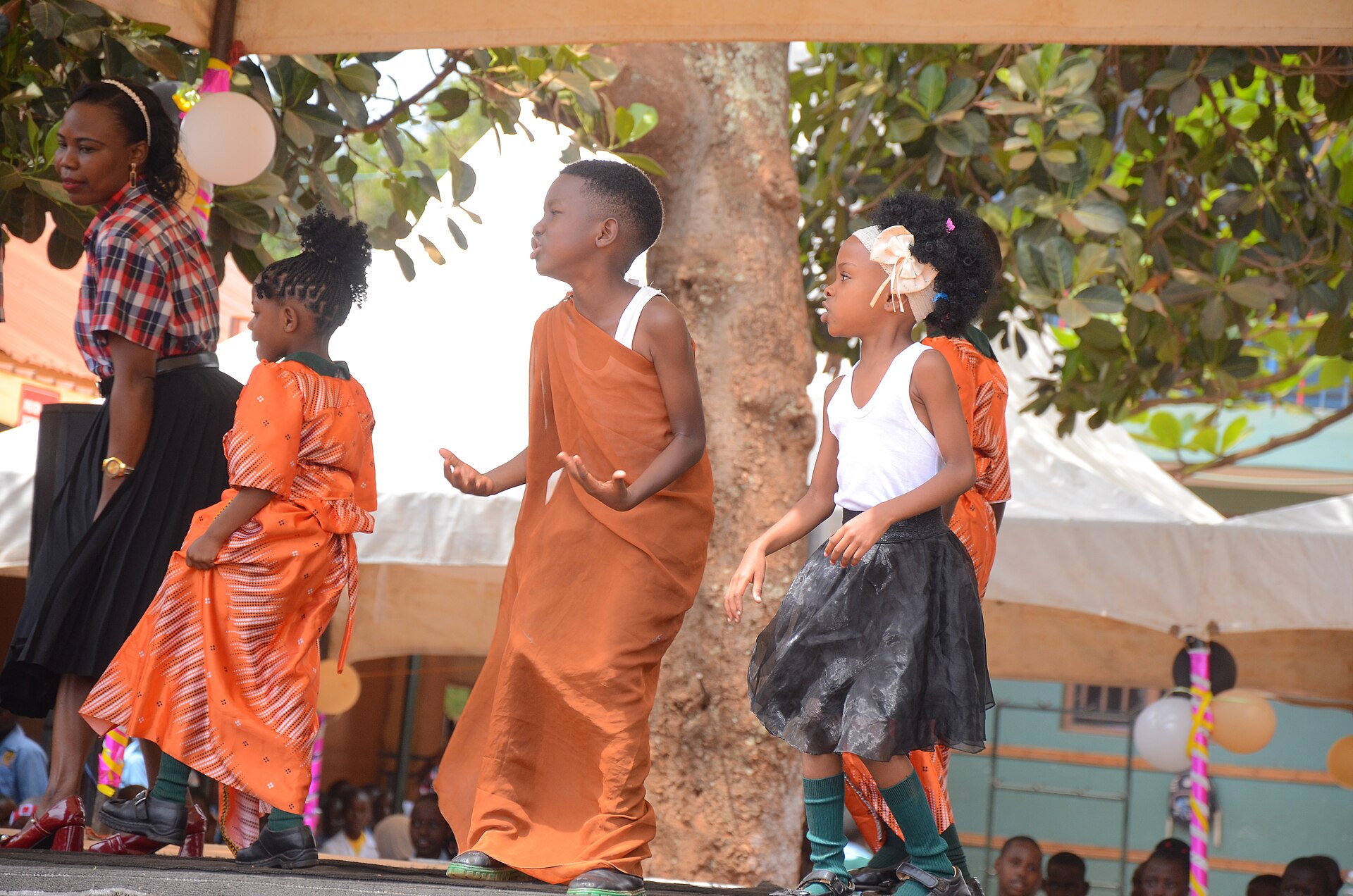
Kampala — In 2025 Uganda's Ministry of Education and Sports issued mental health guidelines for schools, with a training manual, a teachers' handbook and a wellbeing guide. Researchers at the African Health and Population Research Center, writing in The Conversation, looked at what it will take to put them into practice.
They held dialogues with 200 learners, teachers, parents, community and religious leaders, officials and others in four districts: Kampala, Jinja, Gulu and Mbarara.
What pupils face
Participants described depression, anxiety, stress, low self-esteem, bullying, substance use and academic pressure as growing and connected problems, driven by school pressure, family difficulties, poverty and harsh discipline.
Why they don't ask for help
Mental illness was widely stigmatised: seen as moral weakness, a curse or a "disease for the rich". Pupils feared being called lazy or attention-seeking, or that teachers would share their stories. Boys were told to be strong and not cry; girls faced harassment and pressure to stay silent.
What schools can do
- Ask not only "What is wrong?" but "What may have happened?", since behaviour can stem from bullying, poverty, bereavement or family conflict.
- Respect cultural and religious beliefs without letting them delay proper help.
- Provide private spaces, clear confidentiality rules and counselling that feels normal.
- Protect girls and let them report problems confidentially.
- Promote a view of manhood in which recognising emotions and seeking help is responsible.
- Train staff and link schools to health and community services.
The key test, the authors say, is whether schools can recognise distress without judgment and respond with dignity and care.
Source: The Conversation, 12 October 2026.