3,000 forgotten flint tools show Egypt's early farmers had skilled specialists before the pharaohs
Dug up beneath Cairo in 1905 and left in museum boxes for a century, the Heliopolis flints reveal a village workshop that supplied its neighbours.
Lire cet article en français →
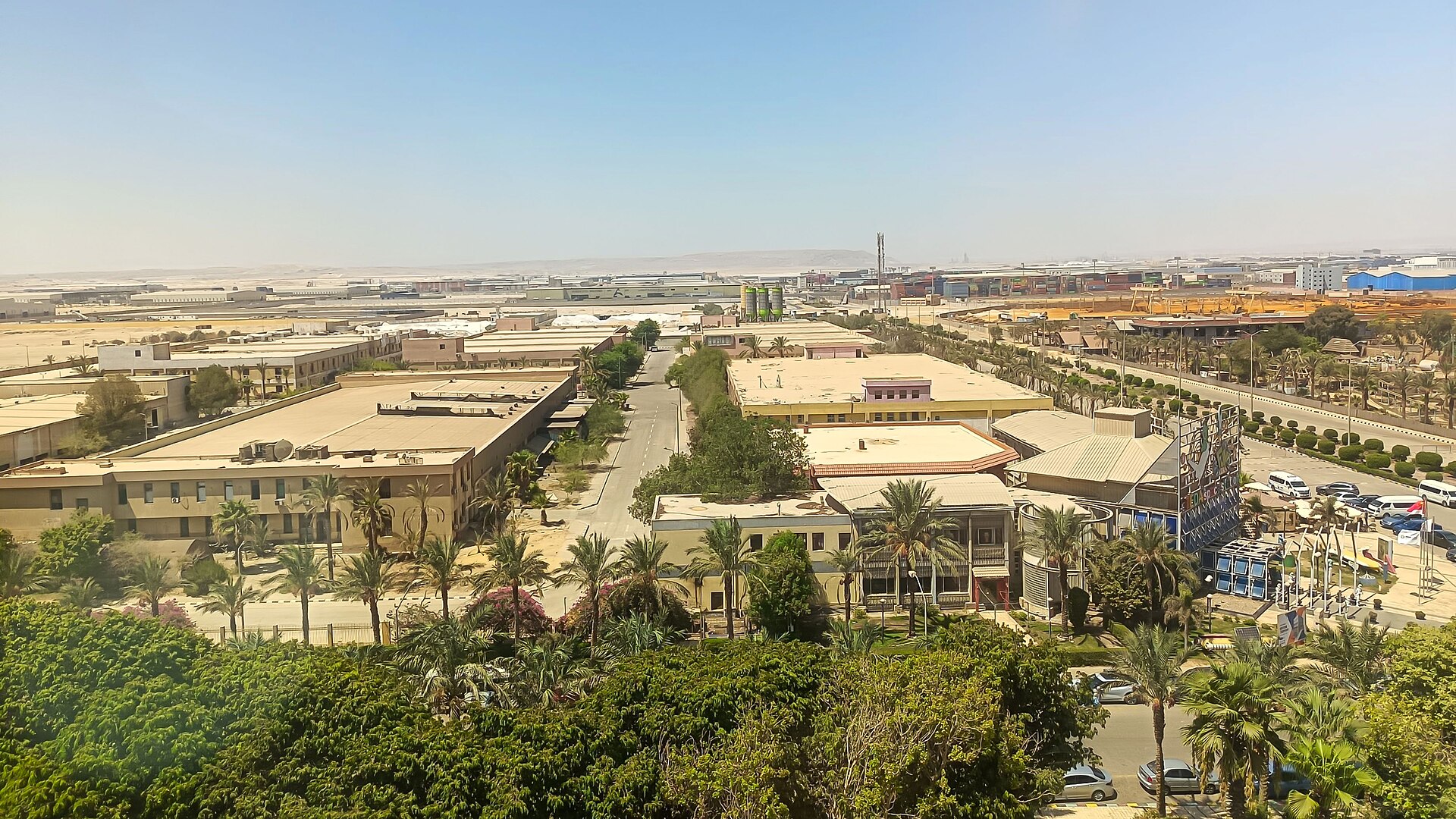
Cairo — Long before its obelisk rose around 1940 BCE, Heliopolis, now buried beneath the Cairo district of Matariya, was a farming village. Shortly before 3000 BCE, its people grew crops, brewed beer and made razor-sharp flint tools.
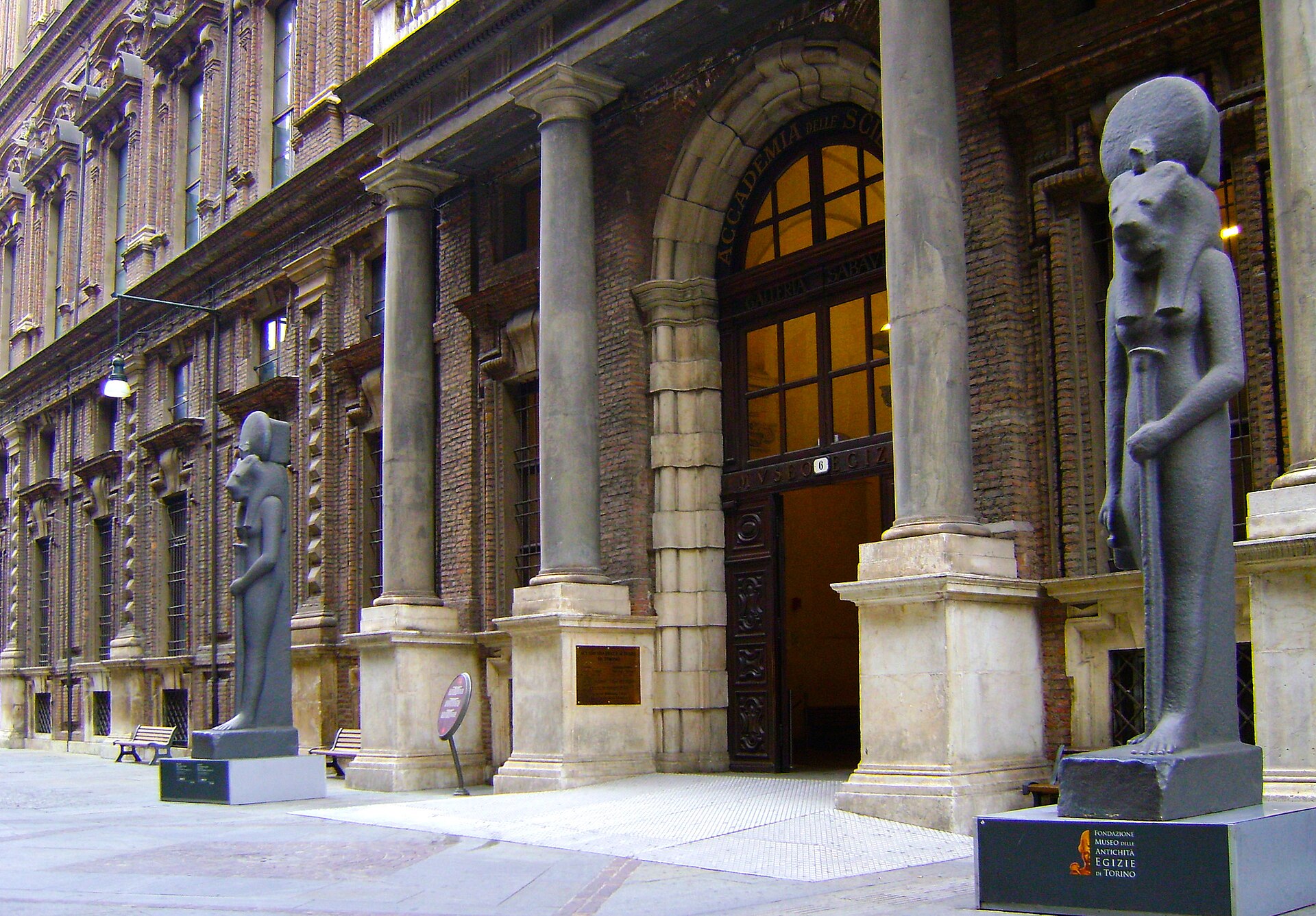
In 1905 and 1906 the Italian Egyptologist Ernesto Schiaparelli dug almost nine metres down to reach that village, with workers recovering objects straight from flooded trenches. The flints then sat in 40 wooden boxes at the Museo Egizio in Turin for more than a century.
Opening the boxes
Giulio Lucarini, Federica Ugliano and Lorena Lombardi, researchers with Italy's National Research Council, went through every box and matched almost 3,000 objects to Heliopolis. Unusually, the excavators had kept almost everything: finished tools, cores and tiny flakes, so the team could reconstruct how the tools were made.
An Egyptian-German team digging 500 metres away in 2019, beside what appears to be an early brewery, found a layer of the same age with the same kinds of tools, confirming the date.
A village workshop
Schiaparelli's area held many cores but few blades, showing that most blades were made for use elsewhere. Near the brewery, people relied on that workshop. The skilled knappers were farmers too: a few finely serrated sickle blades suggest master craftsmen who also worked the fields at harvest.
The authors conclude that Egypt's first state built on a division of labour that villagers had already worked out for themselves. In Cairo today, Egyptian archaeologists and heritage authorities work to protect what remains of such sites.
Source: The Conversation, 2 November 2026.