Africa is 0.15% of gene studies. Six countries want to fix it
Tunisia, Egypt and Senegal have national genome projects and three more are planning them. A new paper sets out what will decide whether patients benefit.
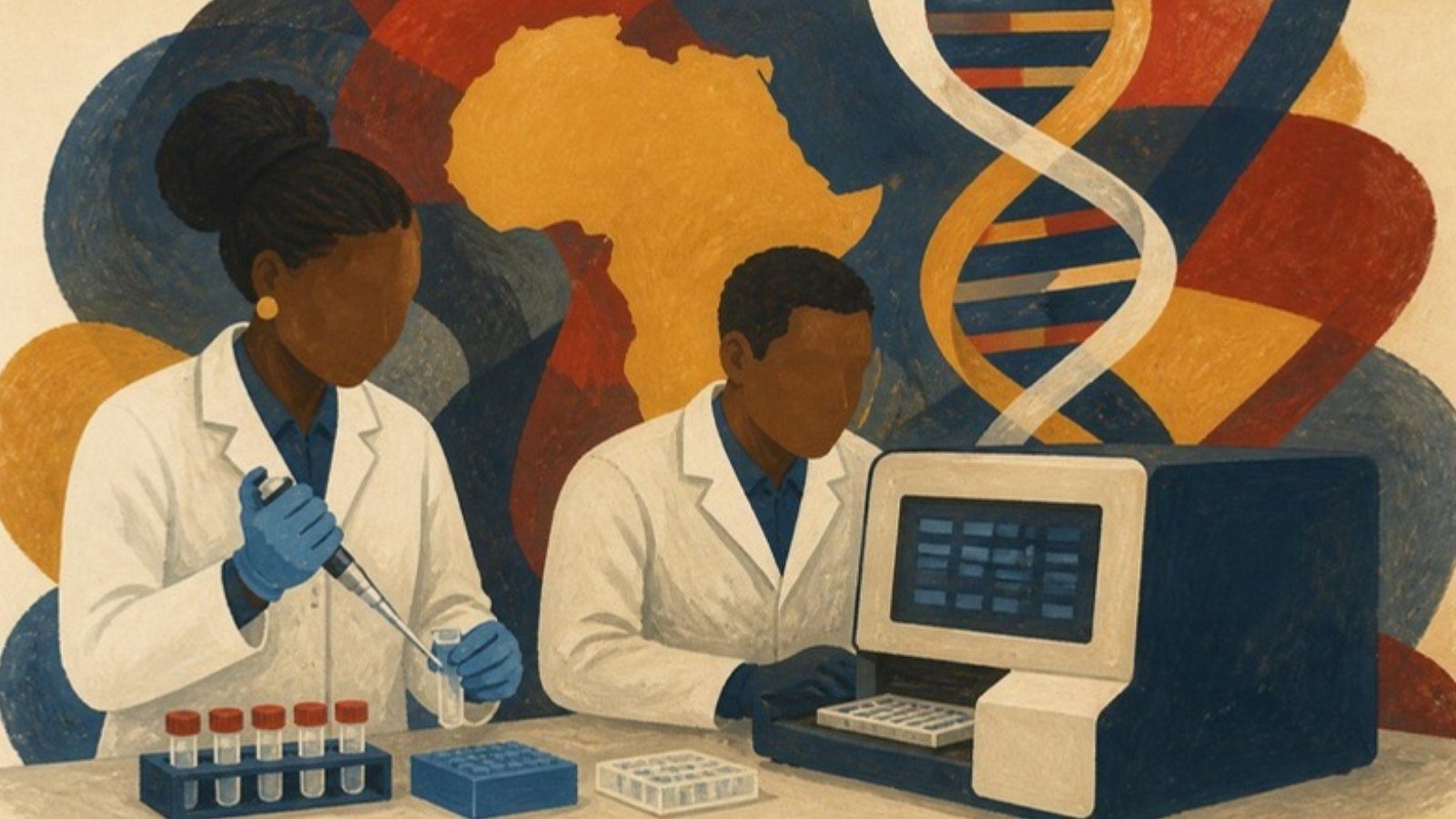
Dar es Salaam — Africa holds more human genetic diversity than any other continent, yet Africans make up about 0.15% of participants in the large studies that link genes to disease. A group of African scientists has now reviewed the national genome projects trying to change that, one of them writes in The Conversation Africa.
The author, Mohamed Zahir Alimohamed, is a molecular geneticist at Muhimbili University of Health and Allied Sciences in Tanzania. His co-authors on the paper, published in a Nature journal, are from Egypt, Tunisia, Senegal, Kenya and South Africa.
Why the gap is dangerous
The cost of leaving Africans out is not abstract. Dr Alimohamed cites a study in the New England Journal of Medicine which found that some genetic changes once reported as causing an inherited heart condition in people of African ancestry were in fact harmless. The mistake only became visible when more genetic data from people of African descent was available.
Who is doing what
- Tunisia plans to study both healthy people and patients with diagnosed conditions.
- Egypt aims to study a far larger number of people and to look at both common and rare diseases.
- Senegal intends to include people from 31 ethnolinguistic groups in all 14 of its regions.
- Tanzania, Kenya and South Africa have government-led projects at an earlier stage. The paper does not assess how they are being carried out.
A continental programme, Human Heredity and Health in Africa, has already helped to build laboratories, skills and partnerships.
What the authors advise
The paper's recommendations are practical:
- agree which health questions a project is meant to answer before collecting any samples;
- involve communities in the design;
- set rules on consent, privacy, storage and who may use the data;
- budget for training, secure data systems and people who can interpret results, not only for sequencing machines;
- start at a size that can be sustained;
- share sequencing, analysis and training across borders;
- find long-term money, because short research grants do not keep staff or equipment.
What patients could gain
The benefits they describe are clearer diagnoses for some inherited conditions, better information for families about hereditary disease, and a better grasp of why people respond differently to the same medicine. They set those against health systems already stretched by infectious disease, too few health workers and rising rates of cancer and heart disease.
This report is based on an article by Mohamed Zahir Alimohamed in The Conversation Africa, via AllAfrica.