Burundi heads back to UN rights council unopposed
Four African countries are standing for four African seats in Monday's vote. Human Rights Watch says a contest with no losers is not an election.
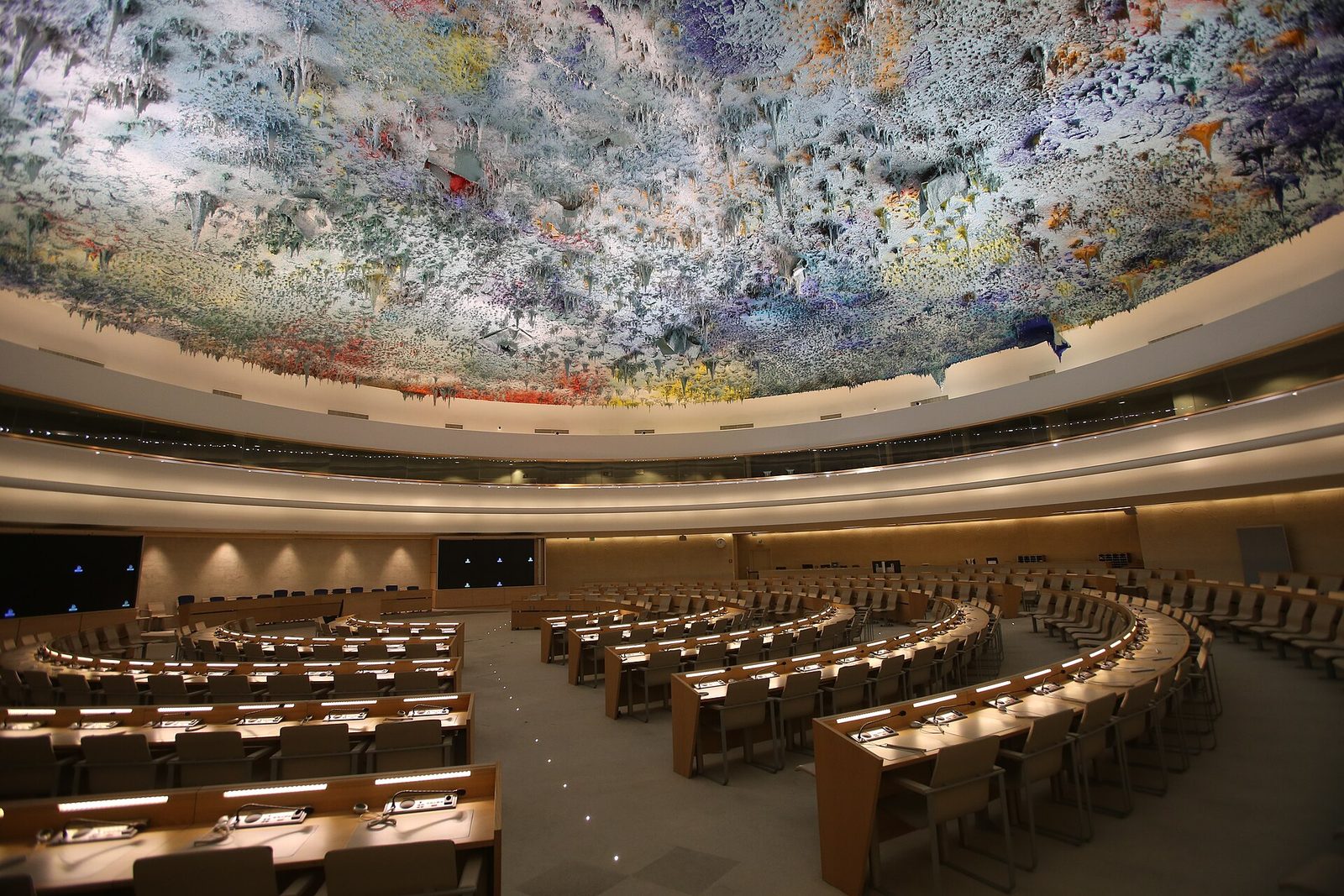
New York — Burundi is set to win another term on the United Nations Human Rights Council on Monday without facing a competitor, Human Rights Watch says, days after its own delegation voted against renewing the UN's scrutiny of its record.
The General Assembly elects 15 members to the 47-seat council for three years from 1 January 2027. Africa has four seats to fill and four candidates: Burundi, Ghana, Nigeria and Zambia. Every other regional group has also put forward exactly as many candidates as it has seats.
A candidate needs only a simple majority of the 193 member states in a secret ballot. Human Rights Watch says that makes it very unlikely anyone will lose.
The case against Burundi
Burundi is in the third year of its current term and is entitled to stand for a second in a row.
Human Rights Watch says the government has made no meaningful reform of governance or justice, that extrajudicial killings, enforced disappearances and arbitrary arrests continue without punishment, and that freedom of expression, assembly and association remain severely restricted.
On 6 October, Burundi's delegation forced a vote in the council on renewing the mandate of the UN special rapporteur on Burundi, and then voted against it. The resolution passed by 22 votes to 7, with 17 abstentions. It noted Burundi's refusal to cooperate with the council and most of its mechanisms.
What the rules say
The 2006 resolution that created the council asks states to take account of a candidate's contribution to human rights when they vote. Louis Charbonneau, the organisation's UN director, argues that uncontested slates defeat that purpose, and wants member states to insist on real competition so that candidates with poor records can be turned down.
The other African candidates
Human Rights Watch also set out what it expects of other candidates. Of Nigeria, it said the country should ensure accountability for serious crimes committed by all sides, including the security forces, in the conflict with Boko Haram.
Source: Human Rights Watch, 12 October 2026.