Cabo Verde votes for a president on 15 November, with 35 years of peaceful democracy behind it
The islands have had multiparty elections since 1991 and no coups since independence. A Lisbon political scientist explains what is at stake this time.
Lire cet article en français →
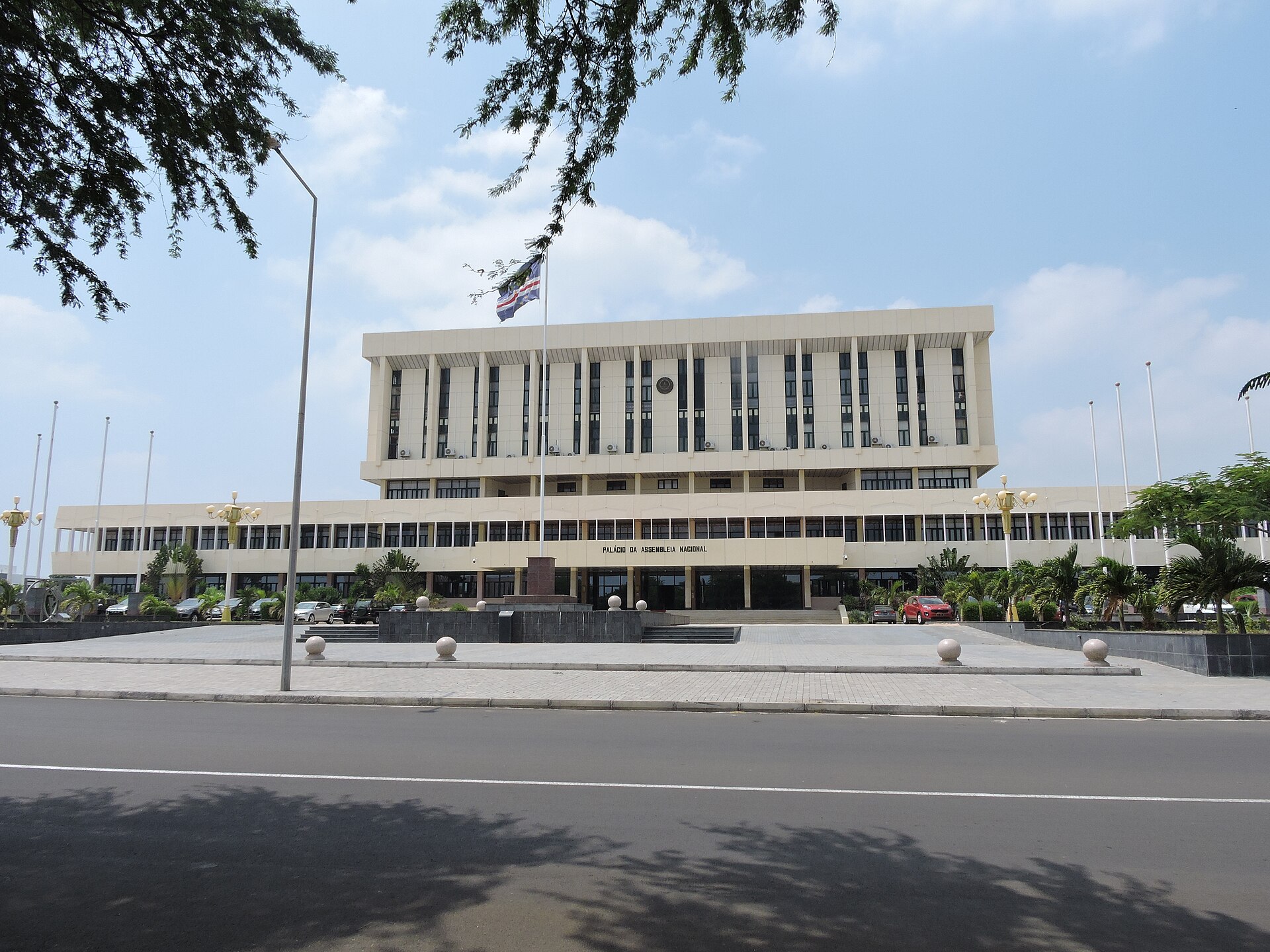
Praia — Voters in Cabo Verde choose a president on Sunday, 15 November. The archipelago of about 530,000 people has held competitive multiparty elections for more than three decades, with peaceful transfers of power and no coups since independence from Portugal in 1975.
José Santana Pereira, an associate professor at the University of Lisbon who studies the country's presidential elections, writes that the vote will test how well its institutions work when power is shared.
How the system works
Cabo Verde is a semi-presidential republic. The directly elected president represents the state, guards the constitution and can veto laws or, in some conditions, dissolve parliament. The prime minister and government run day-to-day policy.
The African Party for the Independence of Cabo Verde (PAICV) returned to government after winning the May 2026 parliamentary election, ending ten years of rule by the Movement for Democracy (MpD).
The candidates
The incumbent, José Maria Neves, prime minister from 2001 to 2016, is backed by the PAICV. Joana Rosa, a former justice minister supported by the MpD, is the first woman to run for president in Cabo Verde. Four other candidates are also standing.
Every president who has sought a second term since 1991 has won it. If Neves wins, one party will hold both offices; if Rosa wins, the country will again have a president and government from rival camps, as it did between 2021 and 2026, a period Pereira describes as marked by cooperation rather than open confrontation.
Source: The Conversation, 11 November 2026.