Lac Rose: Senegal's pink lake, where 3,000 harvesters gather salt by hand
Algae turn Lake Retba pink, especially in the dry season, and its waters are salty enough to float in. It supplies tonnes of salt to Senegal's kitchens and fishing fleets.
Lire cet article en français →
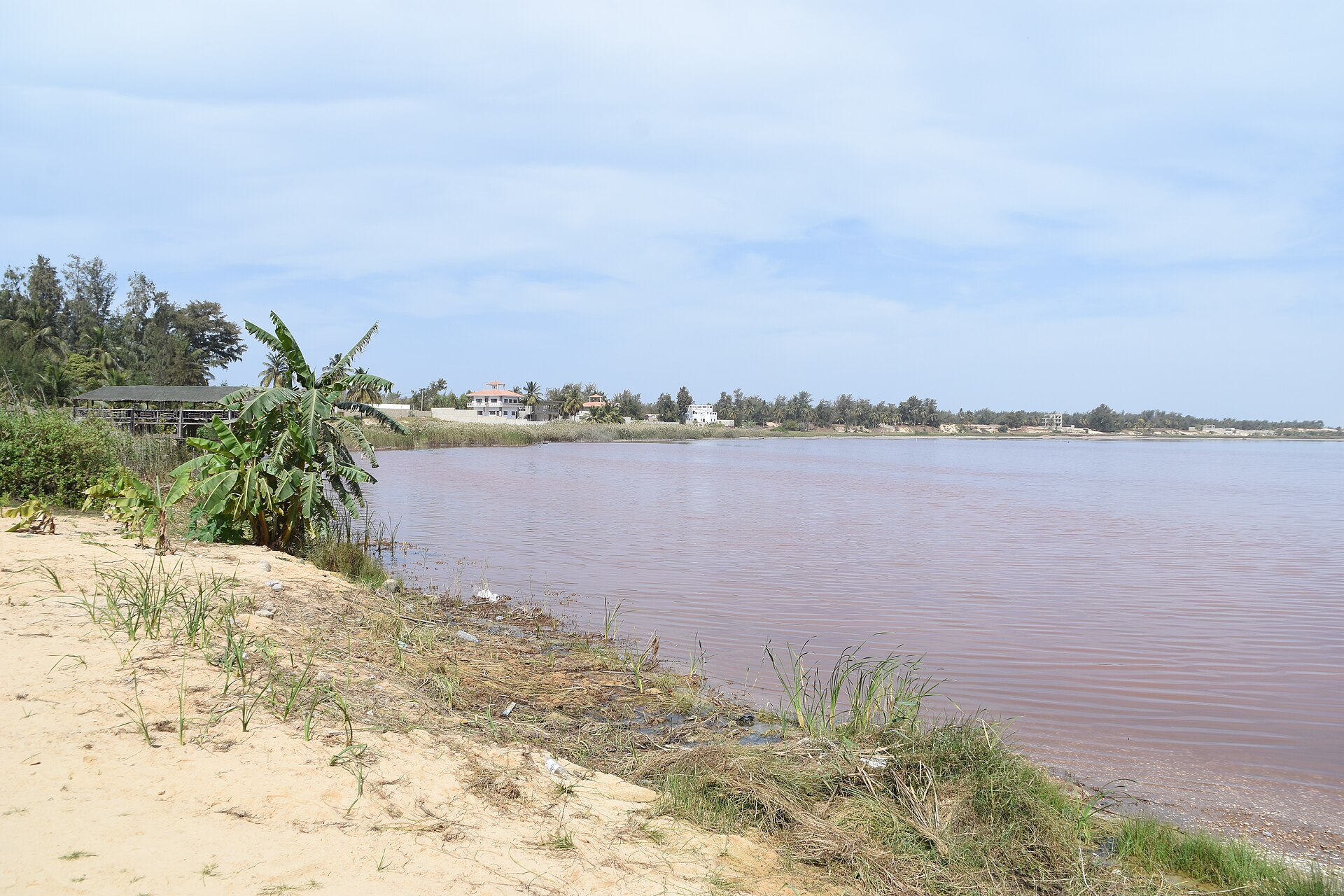
Dakar — About 35 kilometres north-east of Dakar, separated from the Atlantic by a narrow strip of dunes, lies Lake Retba, better known as Lac Rose, the pink lake.
The colour comes from Dunaliella salina, an alga that makes a red pigment to help it absorb sunlight. The pink is strongest in the dry season, from November to May, and most vivid from late January to early March.
Salty enough to float
Seawater seeps in and evaporates, leaving salt levels of up to 40% in places. As in the Dead Sea, swimmers float easily.
Up to 3,000 collectors, men and women from across West Africa, harvest salt here for six to seven hours a day, protecting their skin with shea butter. About 38,000 tonnes are taken from the lake each year. Much of it is used by Senegalese fishermen to preserve fish, an ingredient of many recipes, including thieboudienne, the national dish of fish and rice. Senegal is Africa's leading salt producer.
Back in the pink
Floods in September 2022 breached the lake's banks and turned its waters green, damaging salt mounds and hurting tourism. By 2025 the lake had regained much of its colour.
Lac Rose was long the finishing line of the Dakar Rally, before the race moved to South America in 2009, and in 2021 it hosted a round of the Extreme E electric off-road series. It has been on UNESCO's list of sites under consideration for World Heritage status since 2005.
Background: Wikipedia.