Chimamanda Ngozi Adichie: the Nsukka novelist who warned the world about 'a single story'
From Purple Hibiscus to Dream Count, the Enugu-born writer's novels and talks have reached readers in more than 40 languages.
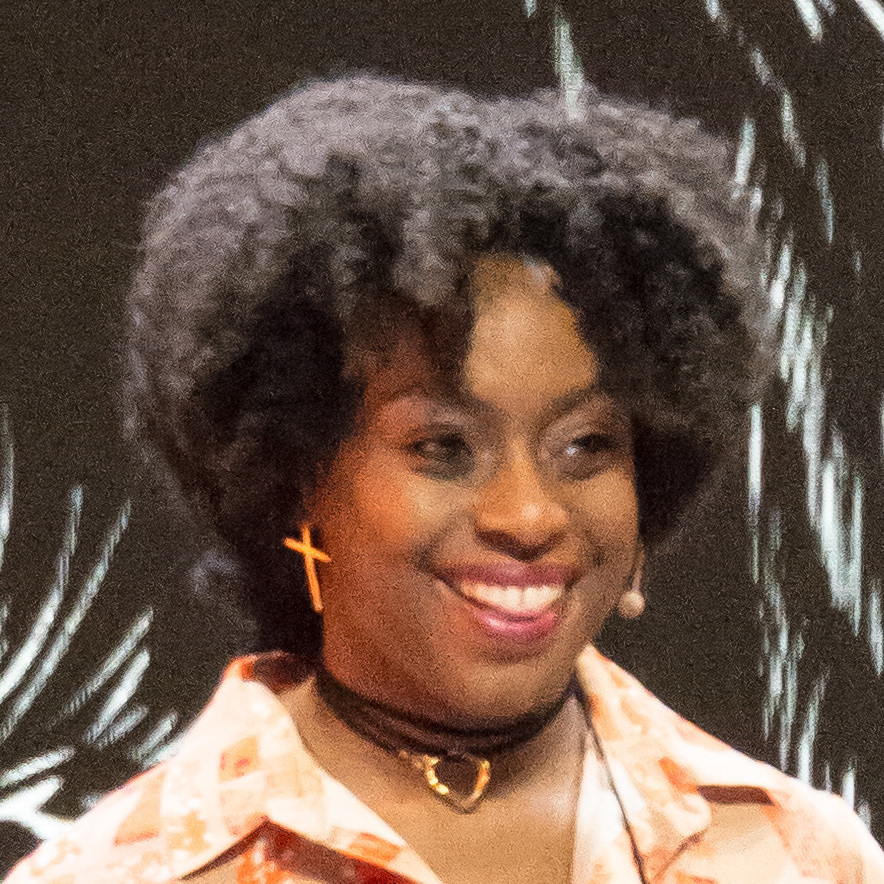
Lagos — Chimamanda Ngozi Adichie is one of the most widely read African writers of her generation. Her novels, essays and talks have made her a central voice on identity, migration and gender.
Growing up in Nsukka
She was born into an Igbo family in Enugu on 15 September 1977 and grew up in Nsukka, where her father was a professor at the University of Nigeria. She studied medicine there for a year and a half before leaving, at 19, to study in the United States, at Drexel, Eastern Connecticut State, Johns Hopkins and Yale. Nsukka is the setting for many of her novels. She has named Chinua Achebe and Buchi Emecheta as inspirations.
The novels
- Purple Hibiscus (2003), her debut, translated into more than 40 languages
- Half of a Yellow Sun (2006), set during the Nigerian Civil War, winner of the Orange Prize for Fiction in 2007 and later a film directed by Biyi Bandele; its paperback sold 500,000 copies in the UK alone by 2009
- Americanah (2013), about a young Nigerian woman in the United States, winner of the National Book Critics Circle Award and named one of The New York Times' 10 best books of 2013
- Dream Count (2025), about four African women whose lives cross in Nigeria and America, followed by a homecoming tour to Lagos, Abuja and Enugu
The talks
Her TED talk "The Danger of a Single Story" (2009) argues that seeing a people through only one story, often a story of poverty or war, robs them of their dignity. It became one of the most watched TED talks. A second talk, "We Should All Be Feminists" (2012), was sampled by Beyoncé and became a book.
Her honours include a MacArthur Fellowship in 2008 and election to the American Academy of Arts and Sciences in 2017.
Background: Wikipedia.