How Kenya's first Ebola case got past two airport checks
The man was screened in Entebbe and again in Nairobi and was not flagged. Health officials say fever checks alone were never going to be enough.
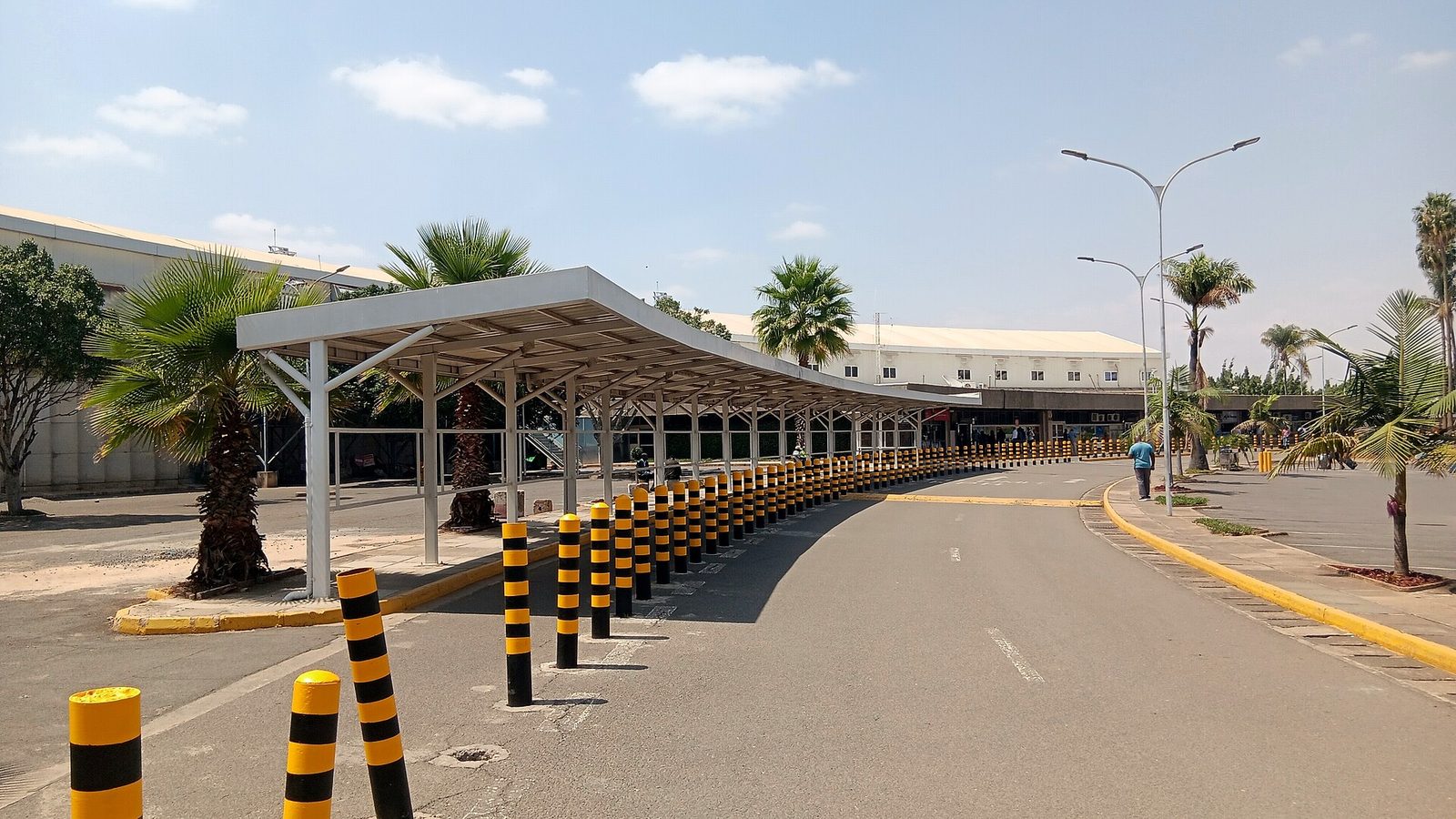
Nairobi — The Kenyan man who became the country's first Ebola case passed through temperature screening at two airports without being identified, an account by Radio France Internationale shows, and officials are now looking hard at what border checks can and cannot do.
The patient had lived in the Democratic Republic of Congo for seven years. He fell ill there and was treated at several hospitals. On 2 October he travelled by road from Beni to Kampala, and the next day he flew to Nairobi.
He was screened for fever at Entebbe airport, and screened again and asked to fill in a health declaration at Jomo Kenyatta International Airport. Neither check picked him up.
He was taken to Nairobi Hospital, where he was isolated. Tests at two national laboratories confirmed the Bundibugyo strain of Ebola. He died on the night of 5 October, and Kenya notified the World Health Organization the following day.
Why screening missed him
Kenya's director-general for health, Dr Patrick Amoth, said medicines can change the way symptoms show, fever included. Screening, he said, has to be backed by clinical assessment, surveillance and the capacity to respond.
When RFI reported, health teams had identified 57 contacts, ten of whom were in quarantine at the National Police Service Hospital.
The land border
More than 3,000 people a day cross between Kenya and Uganda at Busia, on the road that links the port of Mombasa to Uganda, Rwanda, Burundi, South Sudan and eastern Congo.
A WHO report notes that small traders there are screened between 8am and 6pm, and that there is a gap at night because of a shortage of staff. Port health officers say traders and border agents, who see travellers every day, can be an early warning if they know whom to call when someone looks unwell.
What Kenya had in place
Kenya has been on alert since 17 May, when the WHO declared the outbreak in Congo and Uganda an international public health emergency. By 6 October it had:
- screened more than 652,000 arriving travellers;
- tested 267 samples from suspected cases;
- trained nearly 5,000 health workers;
- designated five isolation and treatment centres.
The WHO's regional director for Africa, Dr Mohamed Janabi, said that preparation gives Kenya a head start. The head of Africa CDC, Dr Jean Kaseya, thanked Kenya for moving quickly and called for countries in the region to work together.
The wider outbreak
By 6 October, Congo had reported 8,728 confirmed cases and 4,205 confirmed deaths. Uganda recorded 20 cases and two deaths before its outbreak was declared over on 26 August.
RFI also points to a quieter risk: for many Kenyan families, the cost of transport, consultation and medicine, and the income lost, can be reason enough to put off seeking care.
This report is based on reporting by Radio France Internationale, via AllAfrica.