How Lagos built a Yoruba newspaper culture in the 1920s
Under colonial rule, Lagos editors launched five Yoruba weeklies in a decade, mixing news, satire, proverbs and serialised stories for a new reading public.
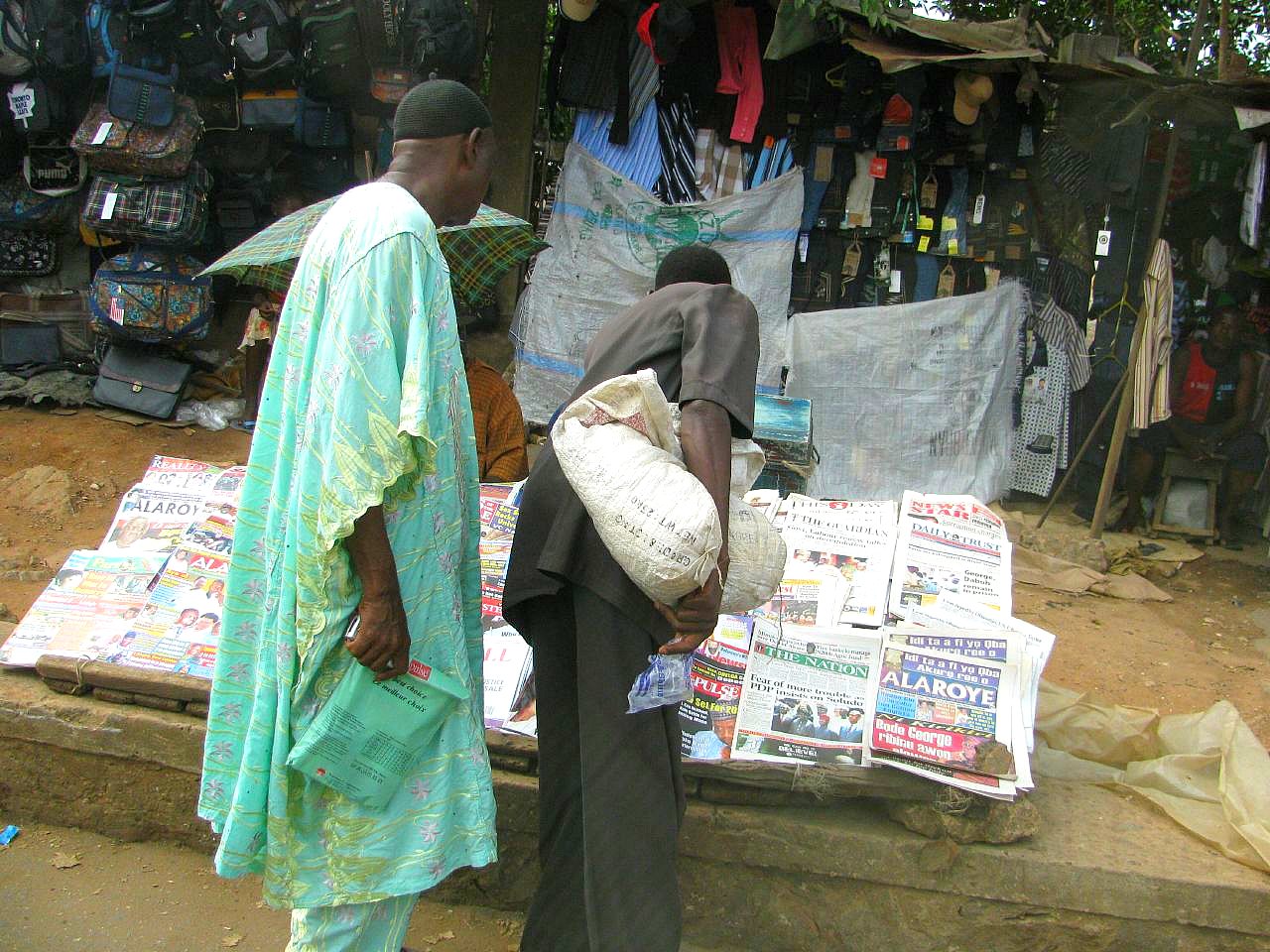
Lagos — A century ago, at the height of colonial rule, Lagos was home to a lively world of Yoruba-language newspapers. Emeritus Professor Karin Barber of the University of Birmingham tells their story in The Conversation, drawing on her new book, Much Matter in a Penny Paper (Ohio University Press).
A new reading public
Yoruba printing had begun with Iwe Irohin, published by missionaries in Abeokuta from 1859 to 1867. Lagos's first press, in 1862, was run by independent entrepreneurs. By the 1910s, a new readership had grown up: people with a few years of schooling who read Yoruba, the everyday language of most Lagosians. Those who could not read had the papers read aloud.
The 1920s boom
Five Yoruba weeklies were launched in the 1920s. Among them:
- Eko Akete, founded in 1922 by Adeoye Deniga, which grew from 8 to 16 pages of editorials, local news, political comment, a serialised history of Lagos, topical poems and songs, and readers' letters.
- Akede Eko, edited by I.B. Thomas, which in 1929–30 ran The Life-story of Me, Segilola, a series of weekly letters from a woman to the editor. Barber says Thomas wrote it himself: a serialised Yoruba story told in instalments.
The papers carried advice columns, satirical dialogues about thinly disguised Lagos figures, bilingual proverb pages and oral history. The era's politics were shaped by Herbert Macaulay, often called the father of Nigerian nationalism.
Why it matters
Barber argues that this was Yoruba creativity at work, not an unchanging tradition, and that colonial language policy could not control how people used their own language. It laid the ground for later Yoruba literature, from D.O. Fagunwa onwards, and the same mixing of languages and genres lives on in Afrobeat, fuji, rap, Nollywood and fiction blogs today.
Source: The Conversation, 13 August 2026.