NIGERIA'S AI AMBITION: YOUNG PEOPLE SHOW STRONG INTEREST, BUT DIGITAL SKILLS GAP REMAINS A CHALLENGE.
Nigeria has emerged among the Commonwealth's leading countries in youth readiness for artificial intelligence, but concerns over practical digital skills raise questions about whether young people are adequately prepared to benefit from the growing AI economy.
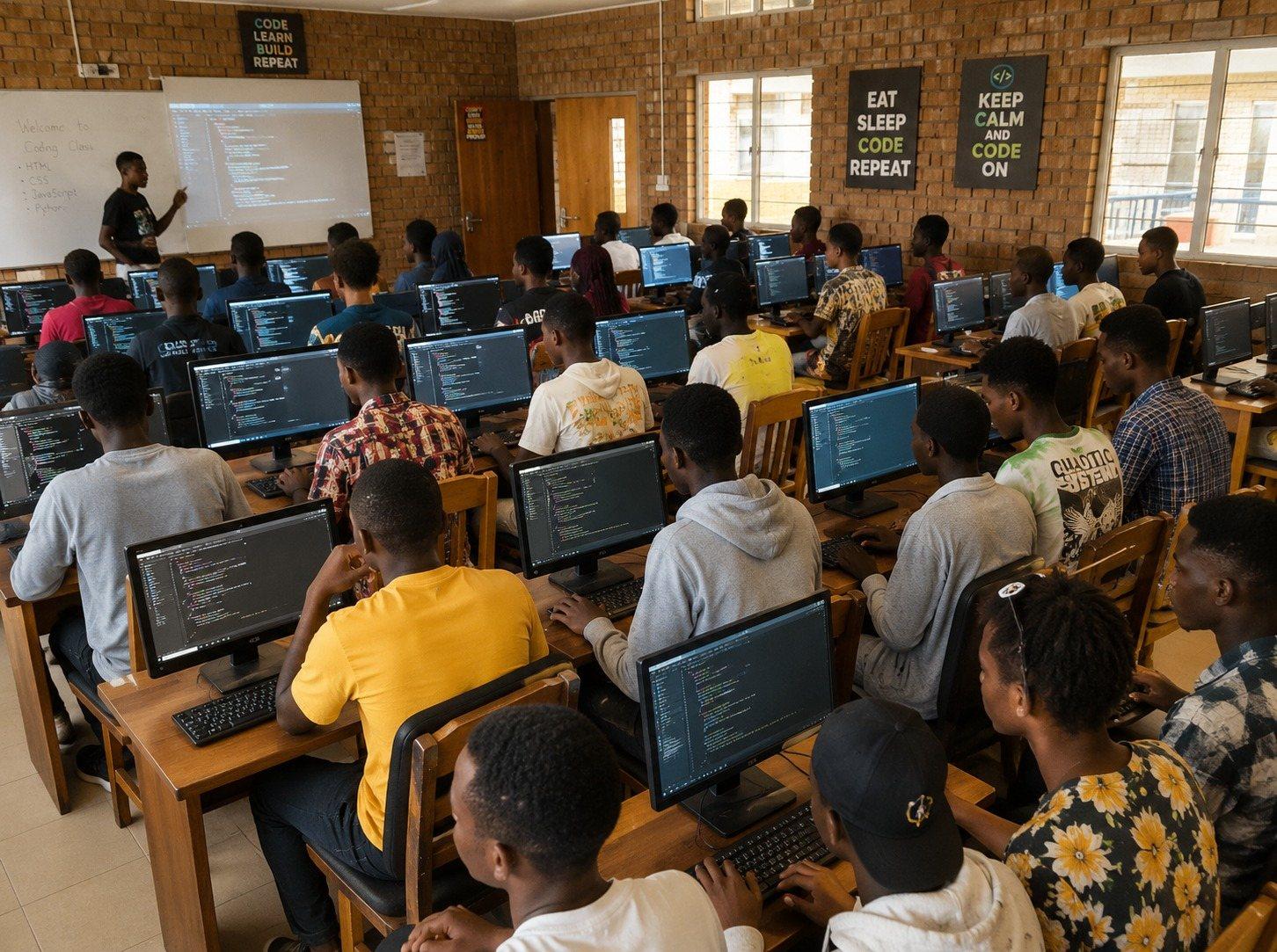
Abuja, Nigeria — Nigeria has recorded encouraging progress in youth readiness for artificial intelligence, with a new international assessment placing the country among the top 15 Commonwealth nations with the potential to benefit from the rapidly expanding technology.
The findings, unveiled during the Commonwealth Heads of Government Meeting in Antigua and Barbuda, rank Nigeria 15th among 56 Commonwealth countries assessed under the newly introduced Ayre Index.
The country scored 54.5 points out of 100, slightly above the benchmark of 53, making it one of only three African Commonwealth members to meet the required standard, alongside Mauritius and South Africa.
The assessment comes as artificial intelligence increasingly influences education, business operations, communication and employment opportunities across the world.
According to the report, Nigeria has an estimated 65.7 million young people between the ages of 15 and 29, representing a significant population that could benefit from opportunities created by the technology.
The study also found that 90 per cent of young Nigerian respondents expected to use artificial intelligence for education or work within the following year. Meanwhile, 67.8 per cent said they were confident in managing their interactions with AI tools.
These findings point to growing interest among young Nigerians in adopting emerging technologies for learning, research, entrepreneurship and professional development.
However, the report highlights an important challenge: enthusiasm for artificial intelligence does not necessarily translate into the technical skills required to use it effectively.
Despite the country's strong performance in youth motivation and confidence, Nigeria recorded only 0.8 out of 10 in the index's assessment of digital, data, media and AI capabilities, based largely on conventional computer skills.
This gap raises concerns about whether young people have sufficient practical knowledge to move beyond using AI applications and develop solutions, businesses and innovations of their own.
A separate analysis by Youth Opportunity and Transformation in Africa, examining employment patterns in Nigeria, Ghana, Kenya, Egypt and South Africa, also highlights the changing nature of work.
The analysis found that young workers in office-based occupations are among those more exposed to changes associated with generative AI. In Nigeria, 93 per cent of young people working in clerical occupations were informally employed, suggesting that workers in these roles may have limited employment protection if their jobs are affected.
However, exposure to artificial intelligence does not automatically mean that these jobs will disappear. The technology could also change existing tasks and create demand for new skills.
Nigeria has begun taking steps to prepare its young population for this transformation through initiatives such as the Three Million Technical Talent programme, AI Academy Nigeria and the National AI Innovation Challenge.
These initiatives seek to strengthen digital knowledge, encourage local innovation and create opportunities for young Nigerians to participate in the technology sector.
Beyond training, experts say affordable internet access, reliable electricity, practical education and stronger connections between technology training and employment will be important in ensuring that young people can benefit from artificial intelligence.
As AI continues to reshape the global economy, Nigeria faces an important challenge: transforming the growing interest of its young population into practical skills, productive businesses and sustainable employment opportunities.