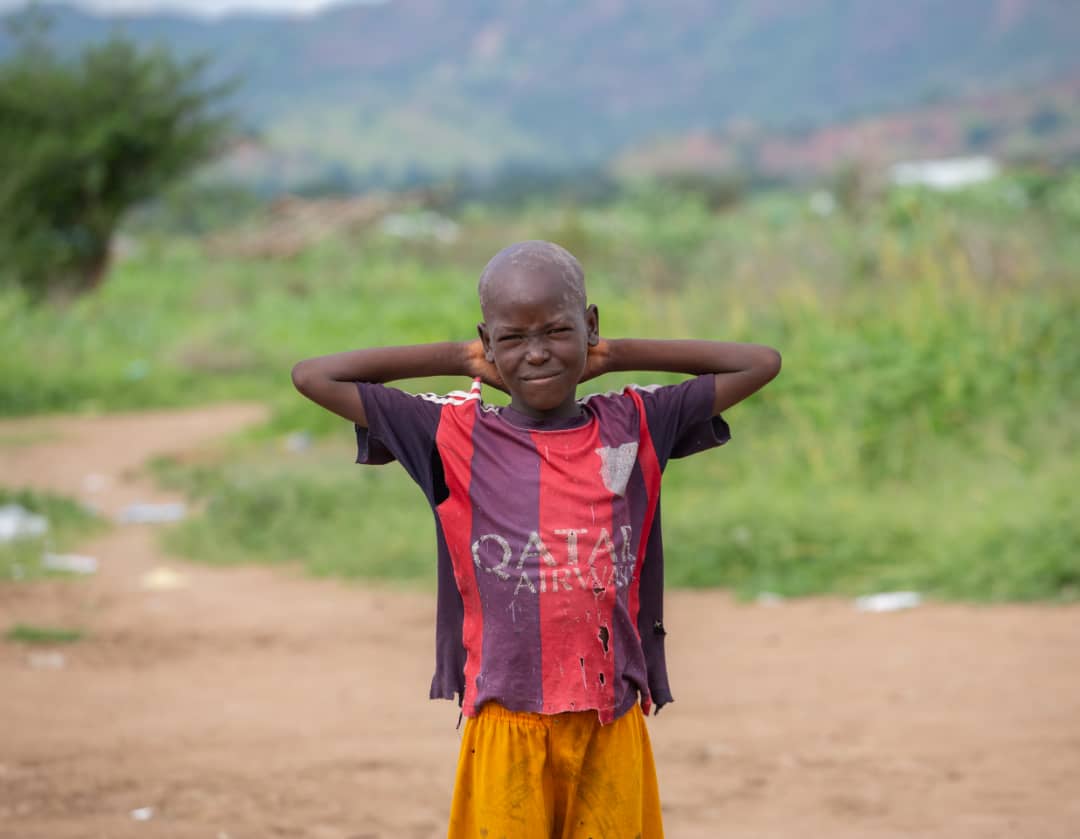
Ongoing Displacement or the Hope of Return: What Does Life in Tawila Look Like ?
Since the fall of El Fasher, waves of displacement towards the town of Tawila have continued. According to available statistics, displacement has not stopped for a single day, although the experiences and perspectives of displaced people vary depending on when they were forced to flee. This story will follow the lives of Ahmed (a pseudonym) and his family, who fled to Tawila in the first days
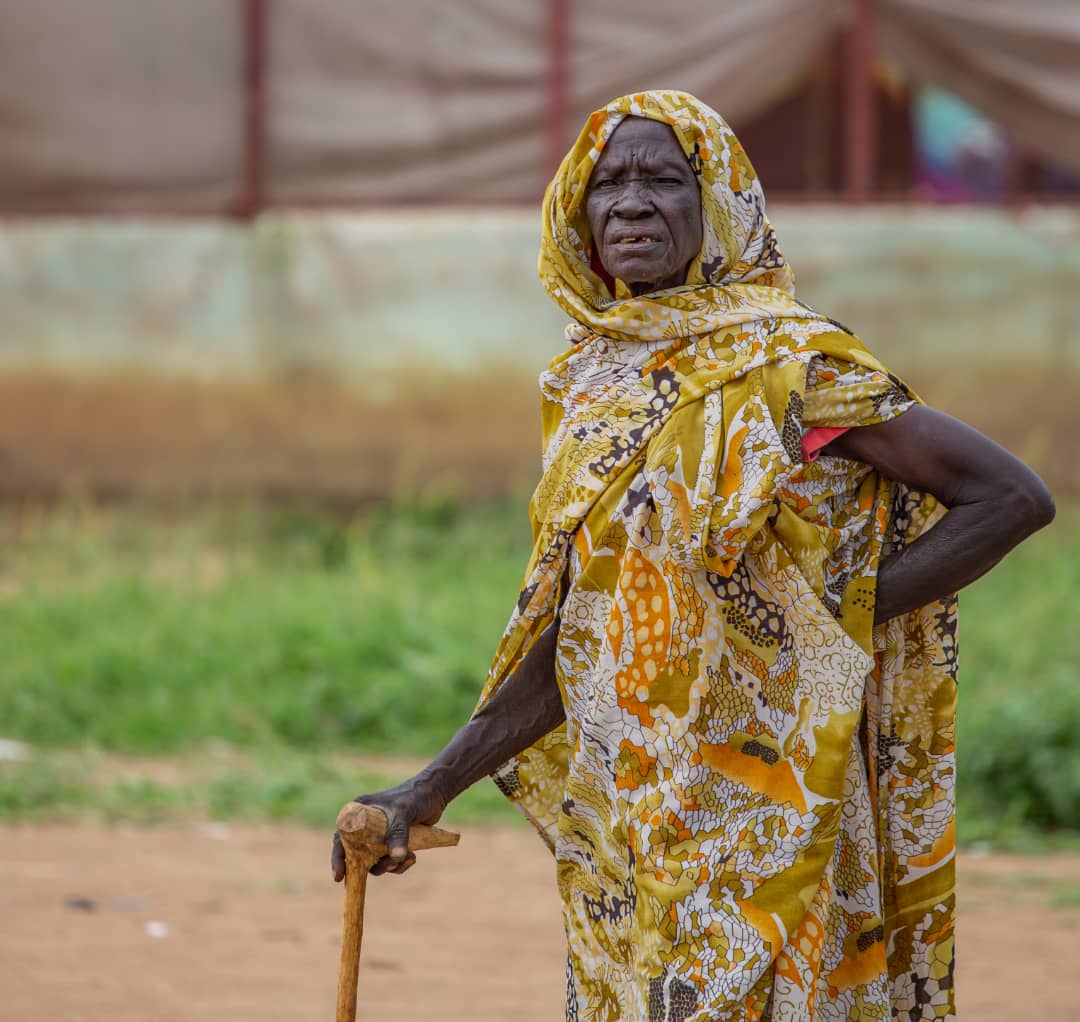
PANM — Since the fall of El Fasher, waves of displacement towards the town of Tawila have continued. According to available statistics, displacement has not stopped for a single day, although the experiences and perspectives of displaced people vary depending on when they were forced to flee.
This story will follow the lives of Ahmed (a pseudonym) and his family, who fled to Tawila in the first days following the fall of El Fasher. We will explore how they settled into life in Tawila, how they have spent the past year, and how they have adapted to their new circumstances. What does their daily life look like in displacement camps? How do they cope with the challenges of displacement? Do they still think about El Fasher, and do they continue to dream of returning home, like many displaced Sudanese people and refugees? Or have the developments and news emerging from their hometown gradually eroded their hope of going back?
We will also meet Sumaya and her husband, Hassan (both pseudonyms), who arrived in Tawila less than two months ago after fleeing El Fasher. Through their story, we will examine what life was like for them during the months they remained in the city after its fall, the reasons that eventually forced them to leave, and whether their departure represents a final break with their hometown or whether the hope of returning still shapes their outlook and decisions.
By placing these two families’ experiences side by side, the story will explore how the timing of displacement shapes people’s perceptions of home, survival, and the possibility of return. Both families have endured terrible experiences, yet their decisions to stay or leave, and their expectations for the future, may reveal different ways of confronting prolonged suffering. Why did one family remain in El Fasher for months under such difficult conditions? What kept them there? Was it the deep attachment to a city where they had spent their entire lives, the hope that conditions would improve, or the lack of alternatives? And as time passes, does the dream of returning grow stronger or gradually fade for those displaced in the earliest days, compared with those who have only recently fled?
Displaced people from El Fasher to Tawila are not merely statistics. They are individuals and families whose lives have been shattered by war and whose suffering continues amid the ongoing violence and insecurity. Through these personal accounts, the story will seek to move beyond displacement figures and examine the human experiences behind them, offering an intimate look at loss, adaptation, uncertainty, and the changing meaning of home. Rather than viewing displacement solely through numbers, we will approach these stories from a human perspective, allowing the experiences and voices of the families themselves to illuminate the realities of prolonged displacement.