Power cuts and broken sleep: what South Africa's students learned from loadshedding
In a survey of more than 1,100 Wits students, backup power cut the odds of worse sleep by about 60%, and solar did best.
Lire cet article en français →
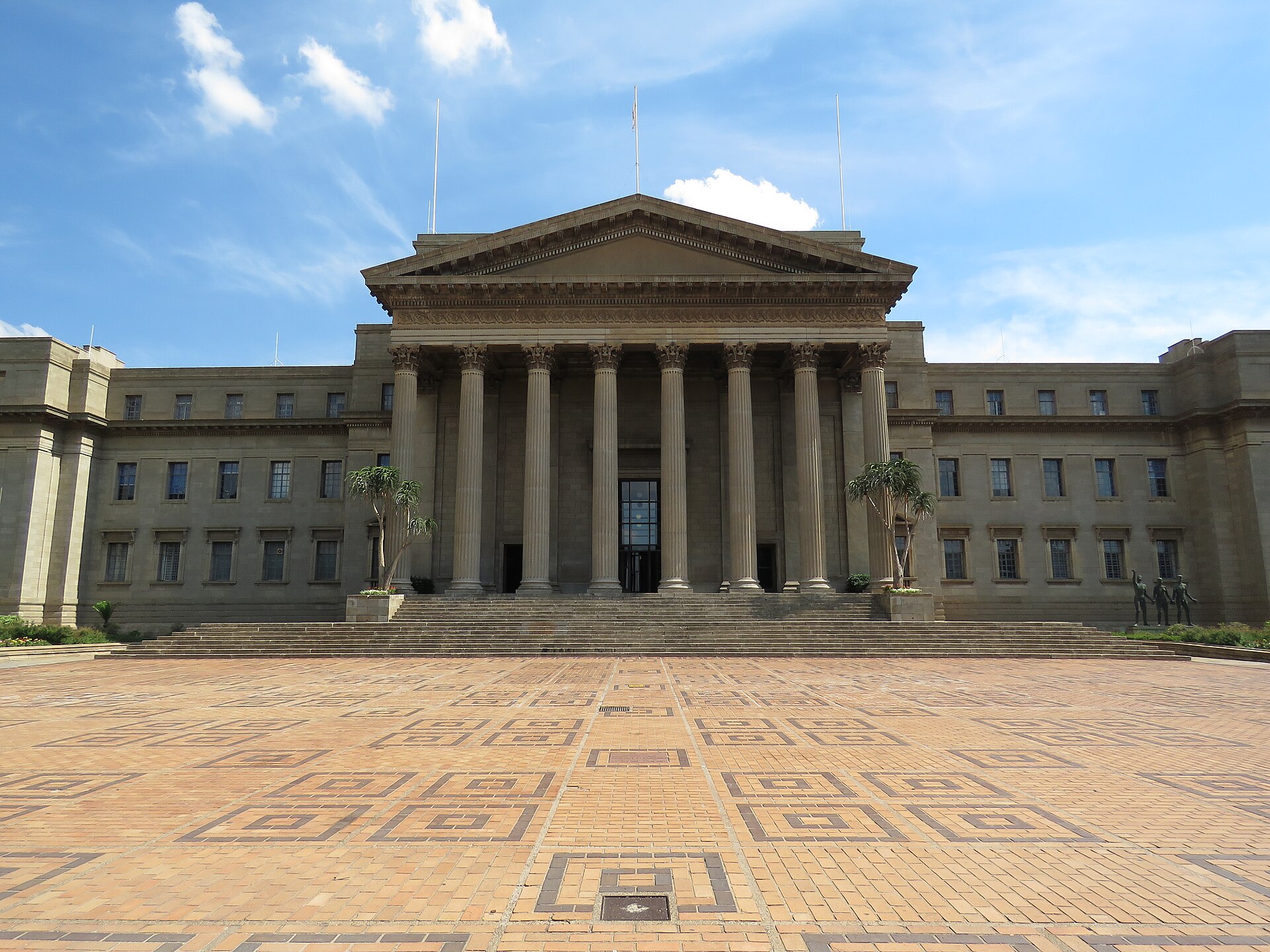
Johannesburg — South Africa's worst year of scheduled power cuts was 2023, with outages on 335 of 365 days. The country has now gone more than a year and a half without them. Researchers at the University of the Witwatersrand wanted to know what the cuts did to something rarely measured: sleep.
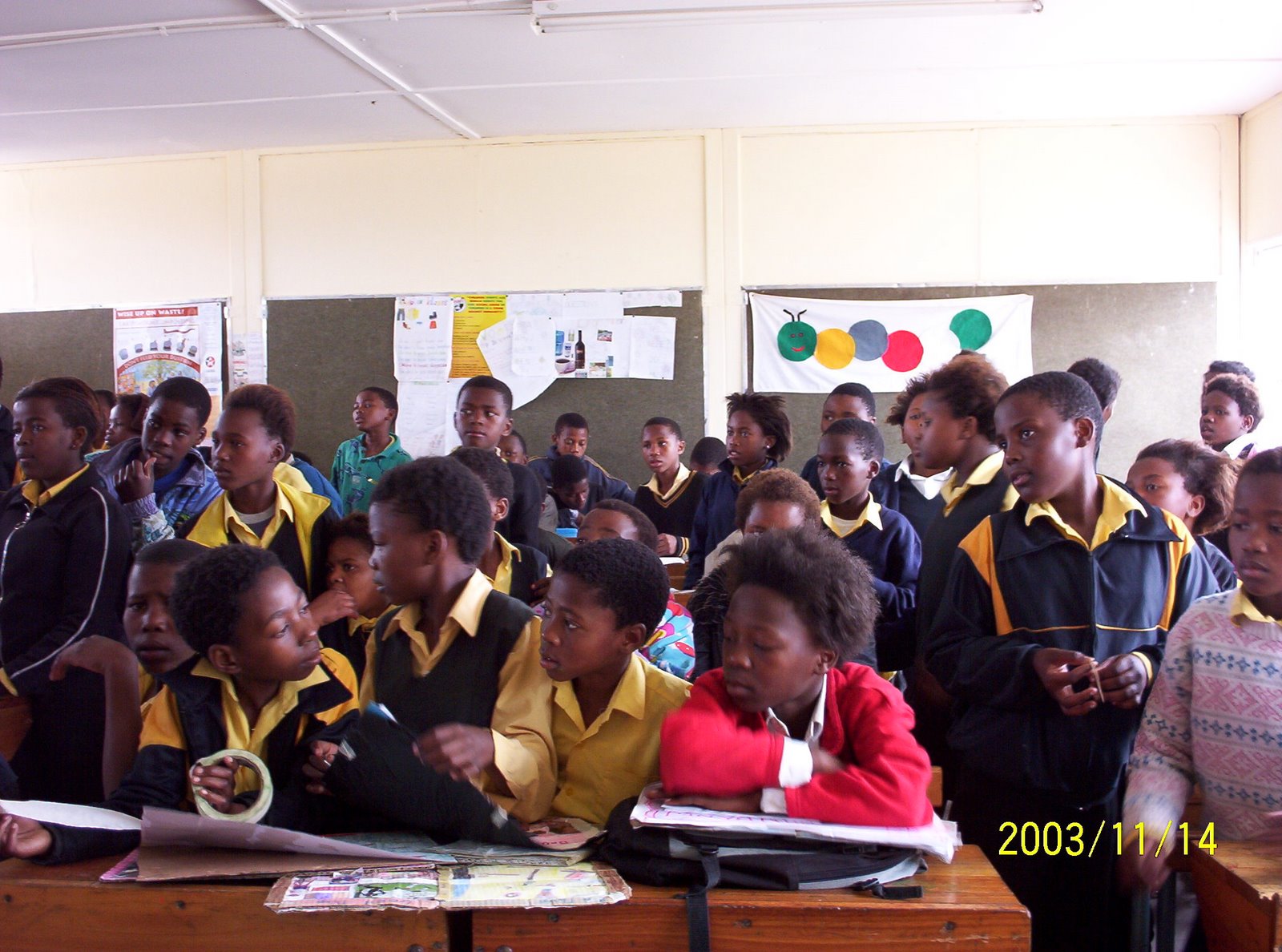
More than 1,100 Wits students answered an anonymous online survey between August and November 2023.
What they reported
- Nearly three in four said loadshedding affected their sleep, and four in five of those said it made it worse. The most common complaint was broken sleep.
- Almost half lay awake worrying about fridges, phones and routers. Nearly a third were anxious about security in the dark.
- Outages between 8pm and half past midnight were the most disruptive.
- About one in five of those affected slept better, mostly because screens and wifi went off.
Two thirds said their studies suffered, and more than half of those reported a drop in grades. The study cannot prove that the cuts caused the fall, but the authors say the pattern fits what sleep research shows.
Quiet power helps most
Students with an alternative supply had about 60% lower odds of reporting worse sleep. Only 40% had access to backup. Among generator and battery inverter users, about half reported worse sleep, against fewer than one in four solar users.
The authors say the findings matter across countries where planned outages continue, including Nigeria, Ghana and Zambia. Quieter options such as solar may protect sleep better, late evening slots carry a particular cost, and a regular routine may help.
Source: The Conversation, 22 October 2026.