SOUTH AFRICA'S LOCAL ELECTIONS: PUBLIC ANGER OVER POOR SERVICES PUTS ANC'S POLITICAL DOMINANCE UNDER PRESSURE.
Growing frustration over unreliable water and electricity supplies, unemployment and deteriorating public infrastructure is reshaping South Africa's local political landscape, as early election results point to mounting pressure on the ruling African National Congress.
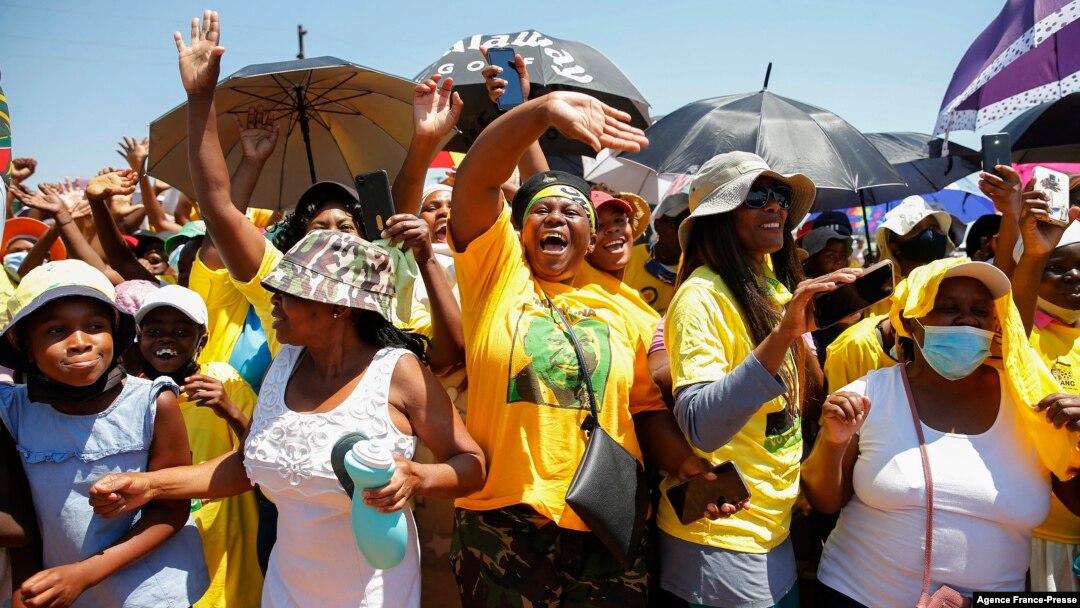
ABUJA, NIGERIA. — South Africa's latest local government elections have exposed growing public dissatisfaction with the country's service delivery challenges, placing renewed pressure on the African National Congress (ANC), which has dominated the country's political landscape since the end of apartheid.
Millions of South Africans went to the polls on Wednesday, November 4, to elect representatives across 257 municipal councils responsible for essential services, including water, sanitation, electricity distribution and local infrastructure.
The election is being closely watched as an important measure of public confidence in political leadership, particularly as communities continue to face persistent power interruptions, water shortages, unemployment, crime and widening economic inequalities.
For many voters, the condition of basic public services has become a major consideration in deciding which political parties deserve their support. In several communities, frustration has grown over deteriorating roads, unreliable water supplies and electricity problems, raising questions about the ability of local authorities to meet residents' everyday needs.
The electoral contest also carries wider political significance for the ANC. More than three decades after leading South Africa's transition to democratic rule in 1994, the party is facing increasing competition from opposition groups seeking to expand their influence, particularly in major urban centres.
Preliminary results released on Thursday, November 5, indicate a difficult contest for the ruling party. With about 36 per cent of votes counted, the ANC was recording approximately 32 per cent, compared with 27 per cent for the Democratic Alliance (DA). These figures remain provisional as vote counting continues.
The results could have important implications for the control of major municipalities, where no single political party may secure an outright majority, potentially making coalition arrangements necessary to form local governments.
The Independent Electoral Commission said polling stations were scheduled to close at 9 p.m. on Wednesday after 14 hours of voting. However, voters who were still waiting in queues at closing time were allowed to cast their ballots.
Counting began after voting ended, with the electoral authority expected to continue processing and verifying results before announcing the final outcome.
Beyond determining which parties will control municipal councils, the election offers an opportunity to assess how economic hardship, public service delivery and confidence in political institutions are influencing democratic participation in South Africa.
The outcome is also expected to provide important political signals ahead of the country's next national elections in 2029.