Zimbabwe's clinics have half the medicines they need
The health ministry asked for ZWG89 billion for 2027 and was told to plan for a third of that. Dialysis supplies and blood are already running short.
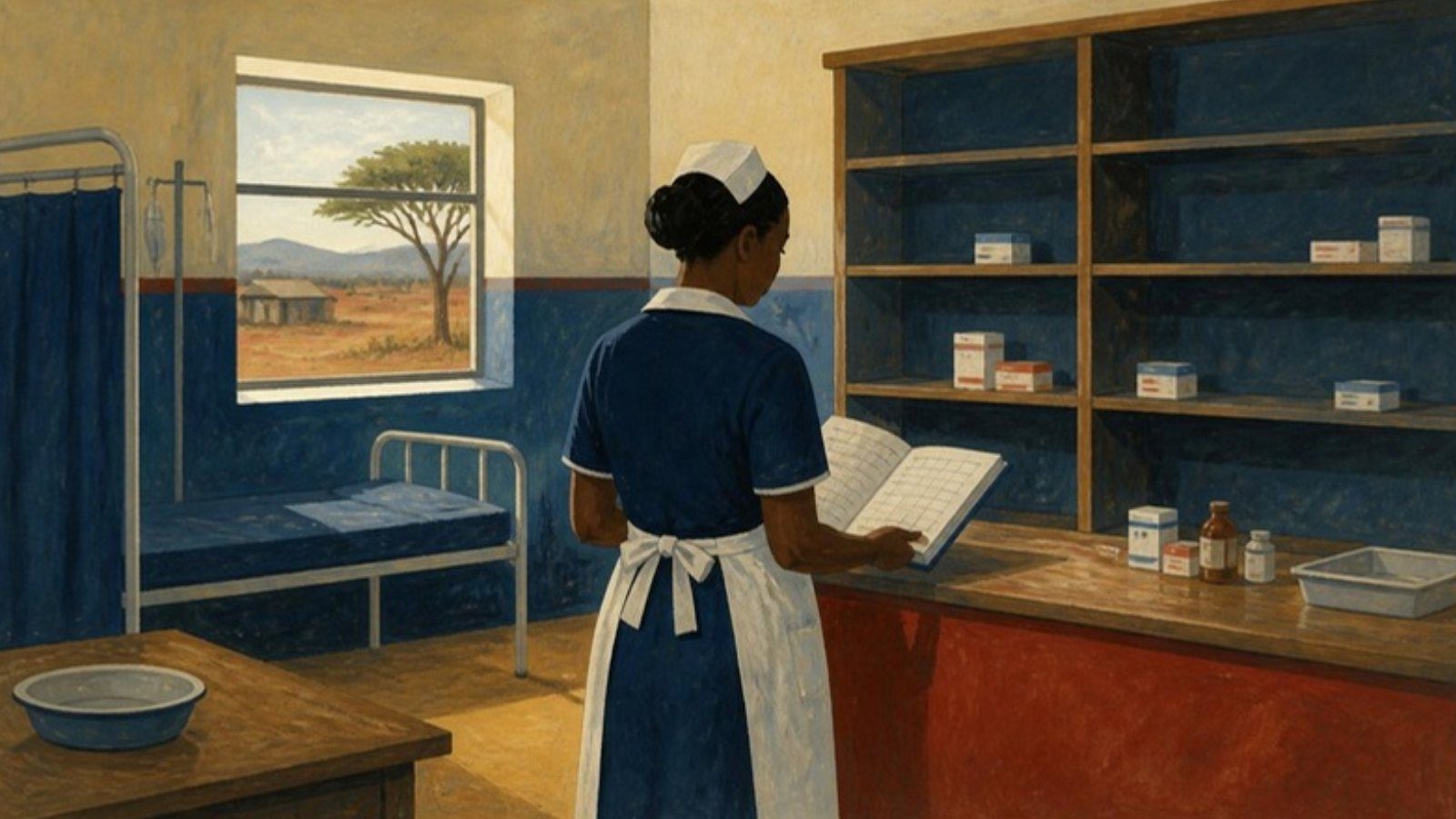
Harare — Zimbabwe's public health facilities have only about half the essential medicines they should, the health ministry has told parliament, and the money pencilled in for next year covers a third of what it says it needs, New Zimbabwe reports.
The health secretary, Aspect Maunganidze, appeared before the parliamentary health committee last week as part of consultations on the 2027 budget.
The ministry's target is to have at least 70% of essential medicines available across its facilities. The current figure is about 50%.
Where the shortages bite
The gaps are worst in supplies for non-communicable diseases, especially dialysis for patients with kidney failure, and in the blood products needed to stop mothers dying in childbirth. Some hospitals have recorded more deaths of mothers and newborns, which the ministry links to shortages of blood and other supplies.
Much of the problem is put down to money reaching NatPharm, the state's central medicines buyer, late and unpredictably. Committee members pressed the ministry on those payments.
The budget arithmetic
- Parliament approved ZWG28.94 billion for health in 2026.
- By September, slightly more than half had been released. The ministry says it spent over 90% of what it received.
- For 2027 it has asked for ZWG89.27 billion.
- The Treasury's indicative figure is ZWG29.83 billion, about 33% of that request.
The ministry said it had nonetheless kept hospital services and public health programmes running through the first half of the year.
Staff who will not go
More than 14,000 posts were created for 2026 and 2027, including 8,000 for village health workers, and between half and 60% have been filled. But many new recruits are refusing postings to remote districts.
A rural retention scheme paid for by the Global Fund ends in December. The Health Service Commission is now grading rural facilities by hardship, looking at roads, housing, phone network and schools, to produce three tiers that would set allowances.
This report is based on reporting by New Zimbabwe, via AllAfrica.