Africa already runs a circular economy. Now it needs to scale it
Repairers, waste pickers and farmers keep products in use. Researchers say policy should build on them, not replace them.
Lire cet article en français →
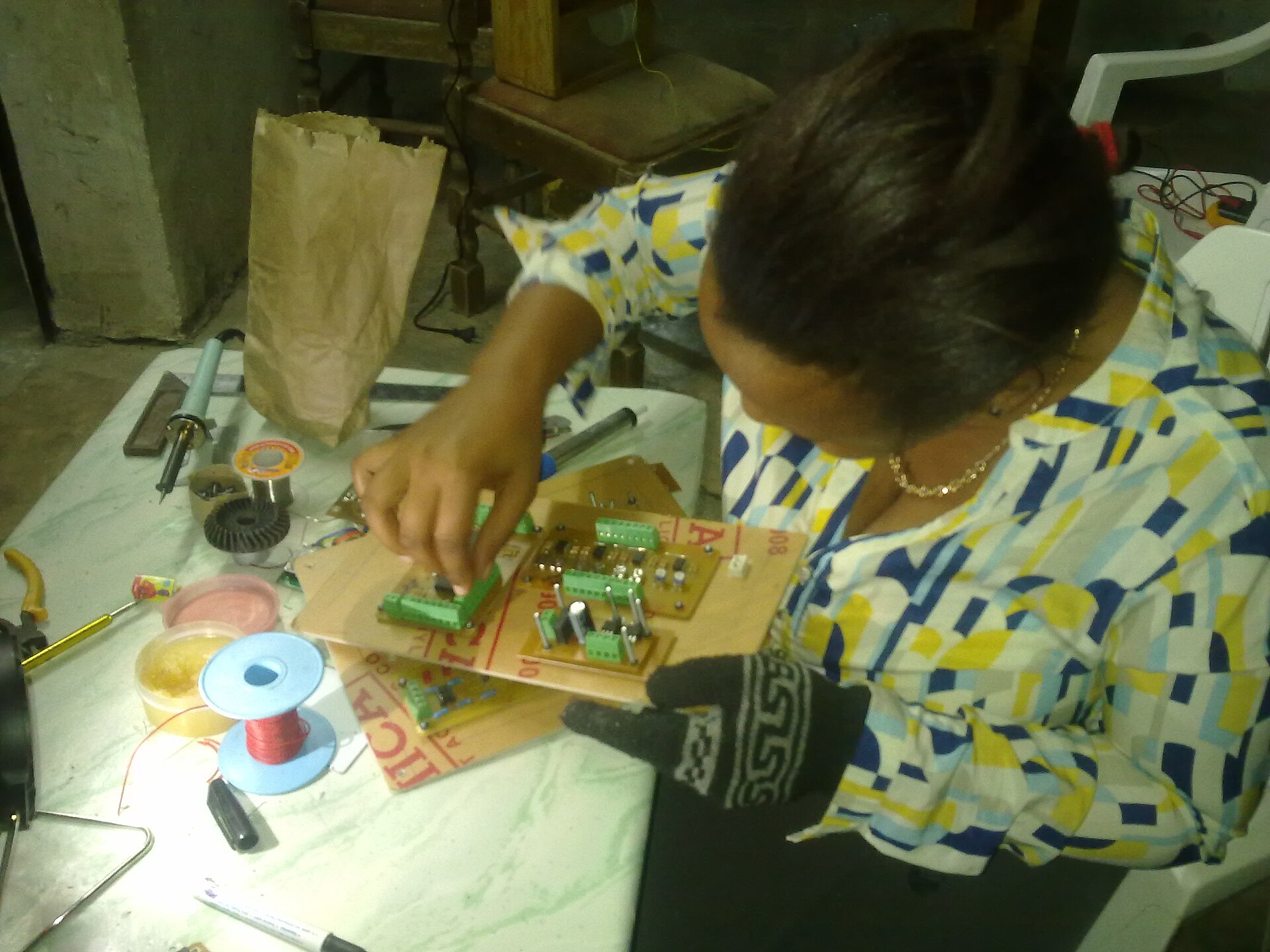
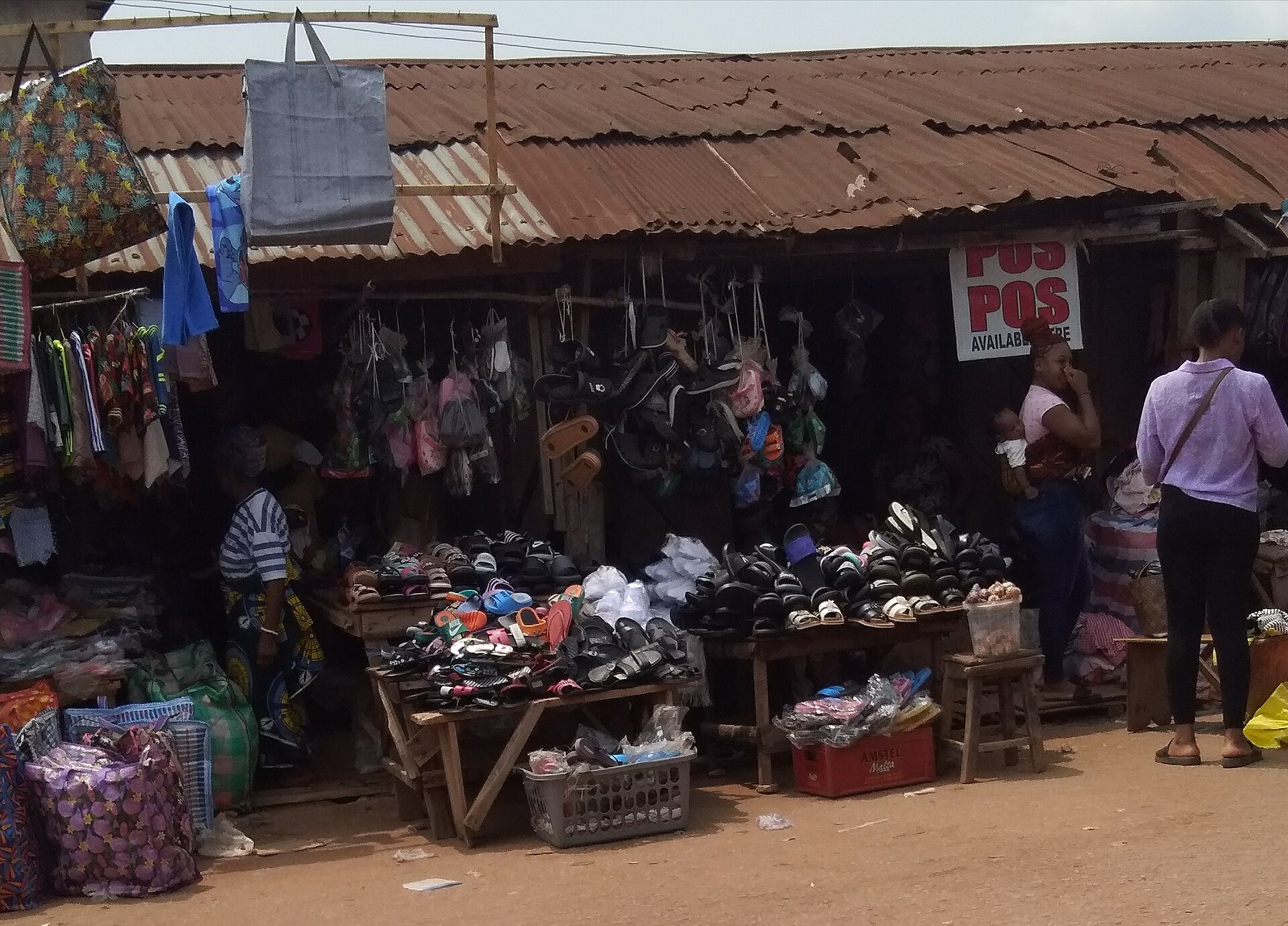
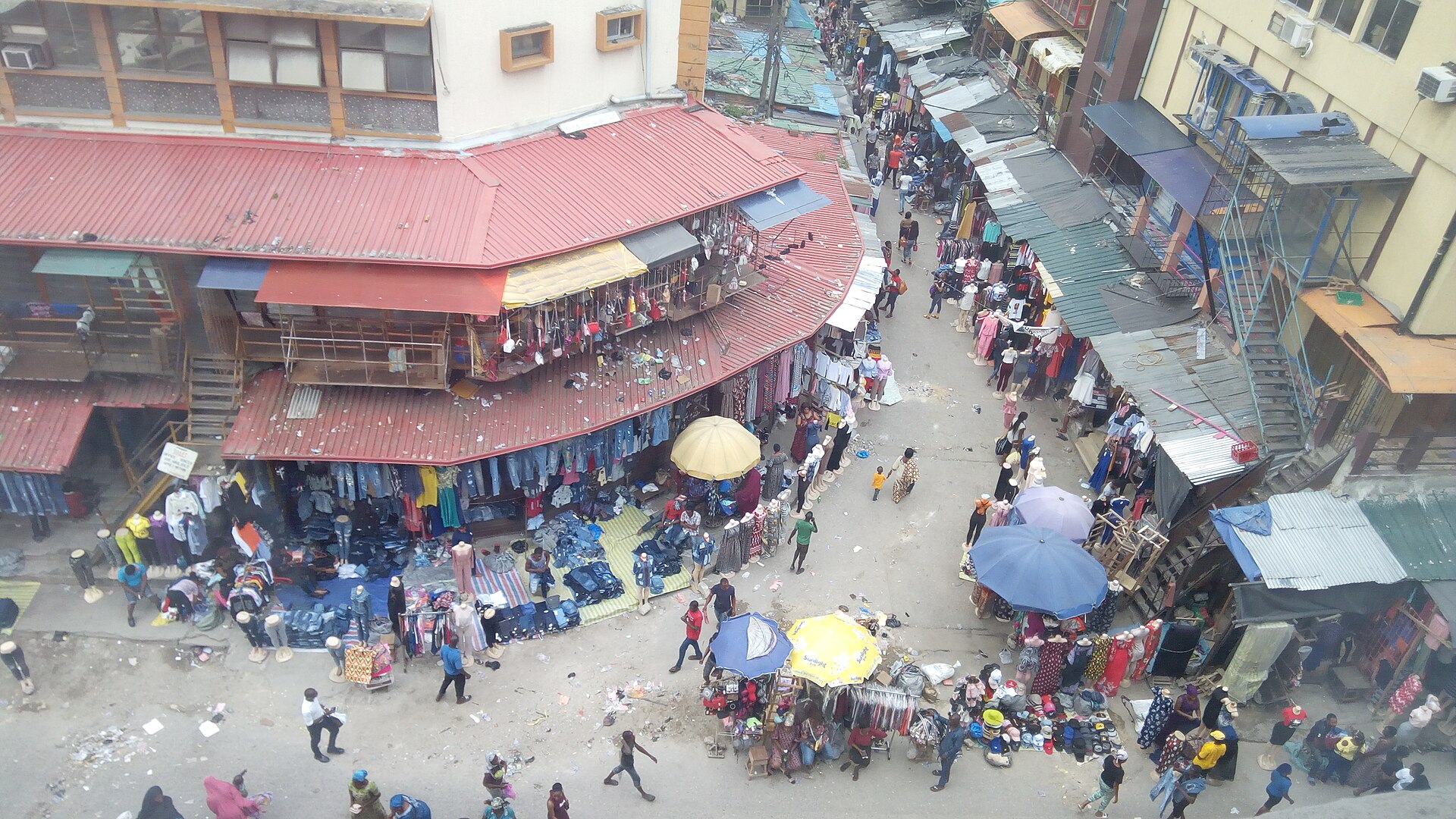
Cape Town — In many African cities a broken fridge is rarely thrown away. It is repaired and resold, stripped for parts or sold for its metal. Old clothes are altered into new ones. Crop stalks and leaves become animal feed, compost, cooking fuel or biogas.
Circular economy specialists writing in The Conversation say this everyday activity, often driven by low incomes and patchy rubbish collection, is exactly what a circular economy is: keeping products and materials in use for as long as possible, instead of make, use and throw away.
Where policy has moved
- 34 African countries have banned plastic bags to some degree.
- Rwanda, Ethiopia, Ghana, Nigeria, South Africa and Morocco have set up facilities to recycle electronic waste, as well as waste-to-energy projects.
- Kenya makes manufacturers responsible for collecting and recycling their products once people have finished with them.
Progress is uneven. Somalia, Sudan and Congo still depend heavily on a throwaway model, the researchers found.
Build on what works
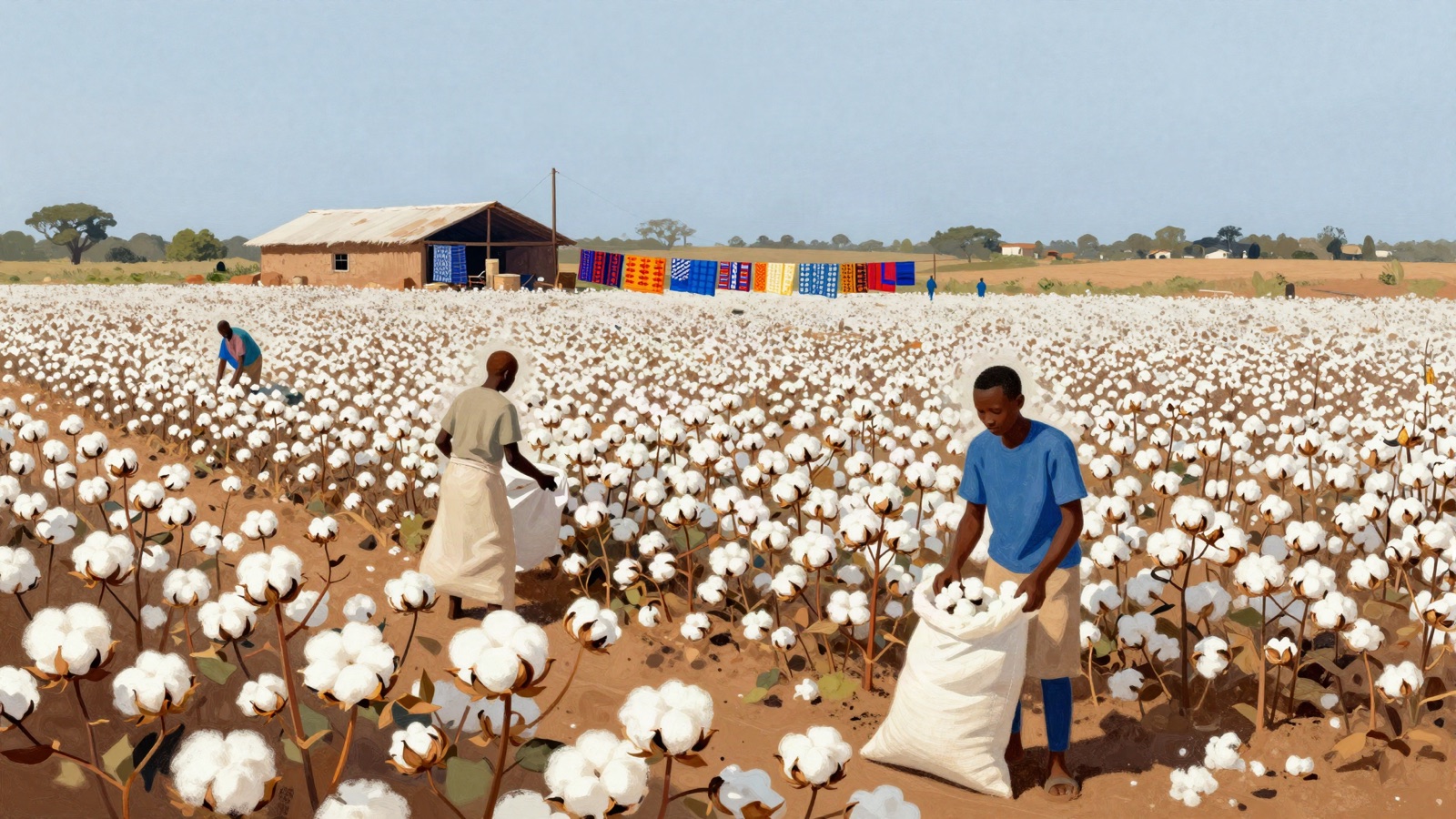
Their main point is that Africa's circular economy is often discussed as though it must be imported, with formal waste systems and high-tech recycling. Those have a role. But repairers, reclaimers (waste pickers), farmers and small businesses are already reusing, reselling, sharing and recovering materials.
The priority, they argue, is to recognise and improve these practices and help them grow, by giving local businesses and communities finance, infrastructure, skills and supportive rules.
Source: The Conversation, 21 October 2026.