How Kenya traced all 135 of its Ebola contacts
Soldiers, intelligence officers and phone companies helped find everyone exposed. Seven patients are in treatment; a 65-year-old relative of the first patient has died.
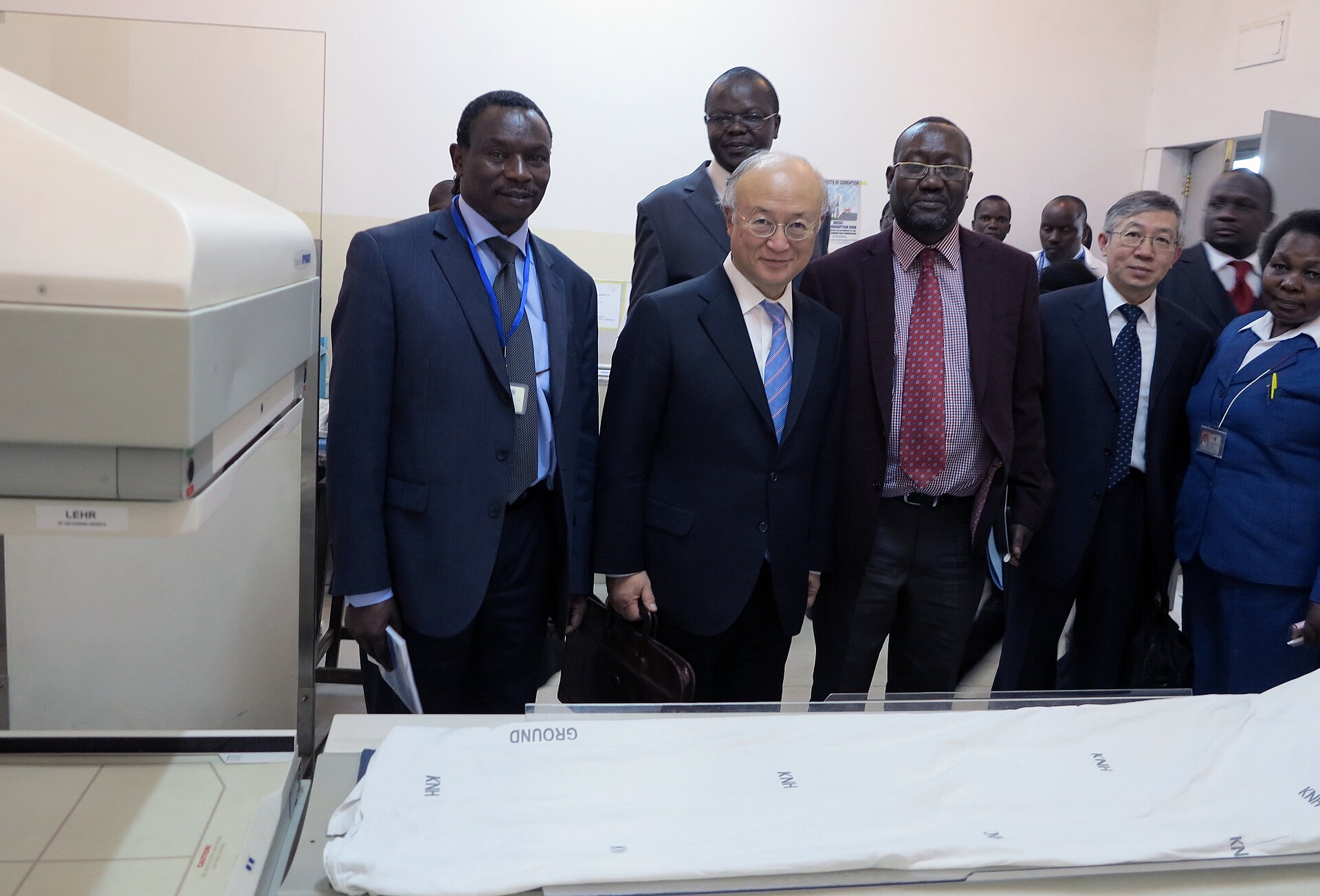
Nairobi — Kenya has traced all 135 contacts of its Ebola cases, Health Ministry Director General Patrick Amoth told a WHO Africa briefing, The Star reports. A multi-agency team commanded by the Kenya Defence Forces, with the National Intelligence Service and telecoms companies, used phone data and intelligence to find people who may have been exposed — including a traveller who had crossed into Tanzania by road. Countries where contacts are being monitored were formally notified.
Where things stand
- Nine cases in all: the first patient, a 40-year-old man who had travelled from Congo through Uganda and died on 5 October, and eight people infected later — four health workers and four family members — all of whom were already in quarantine.
- A 65-year-old woman, a close relative of the first patient, died in quarantine on Friday evening, the ministry said on Saturday.
- Seven patients are being treated at two Nairobi isolation facilities. No new infections were reported, and 14 samples from suspected cases tested negative.
Lessons applied
Amoth acknowledged gaps in infection control around the first case and said protective gear bought for Covid-19 was unsuitable. Ebola-specific equipment has gone to 12 very high-risk and 26 high-risk counties, and Kenya has requested 10,000 vaccine doses through the WHO. WHO Africa director Mohamed Janabi called for regional cooperation, since the virus crosses borders.
Sources: The Star, BusinessDay, 24 October 2026.