Nollywood explained: how Nigeria built one of the world's busiest film industries
The name dates from 2002, but the industry grew from 1990s home videos made fast, cheaply and in many languages.
Lire cet article en français →
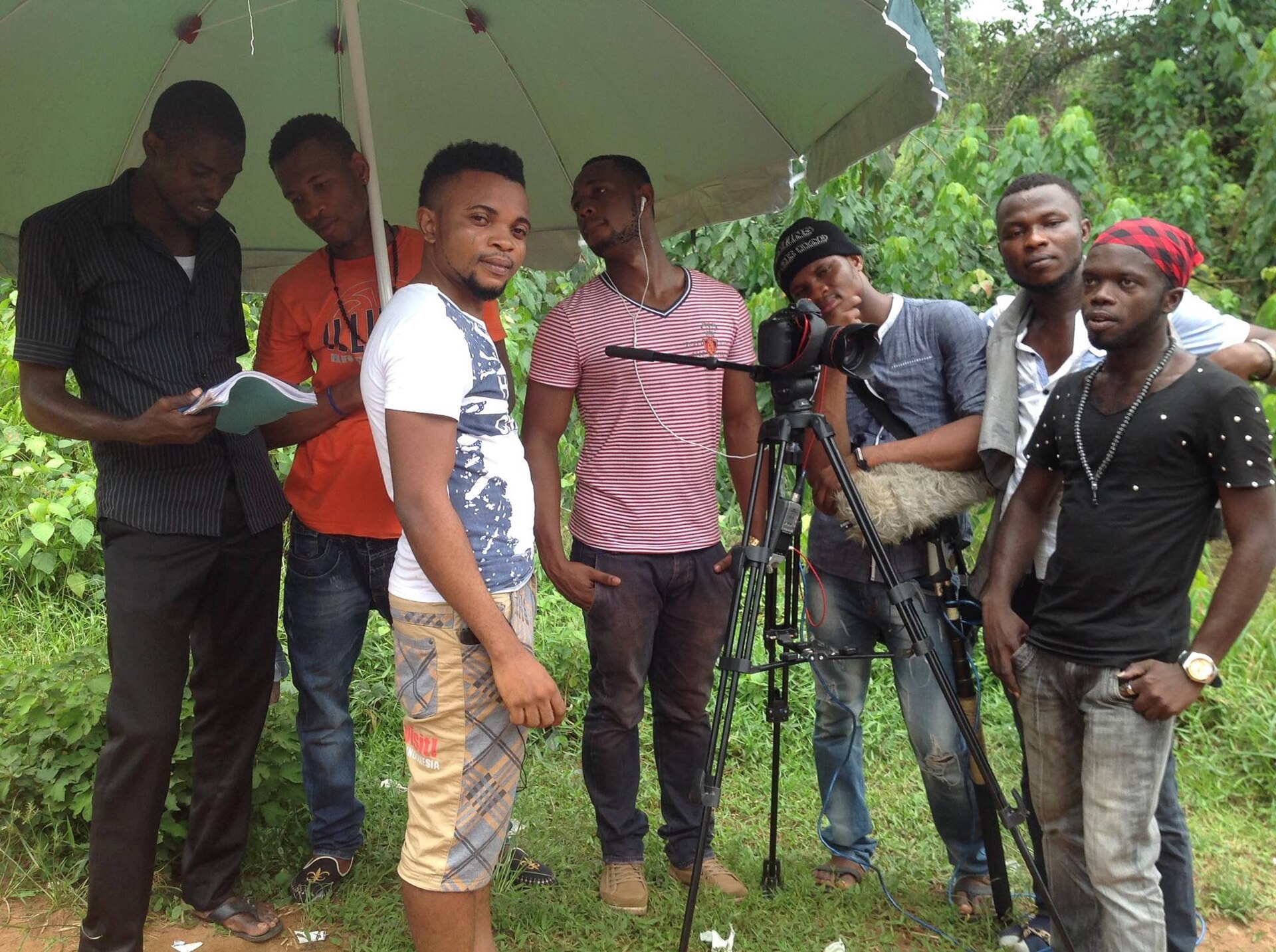
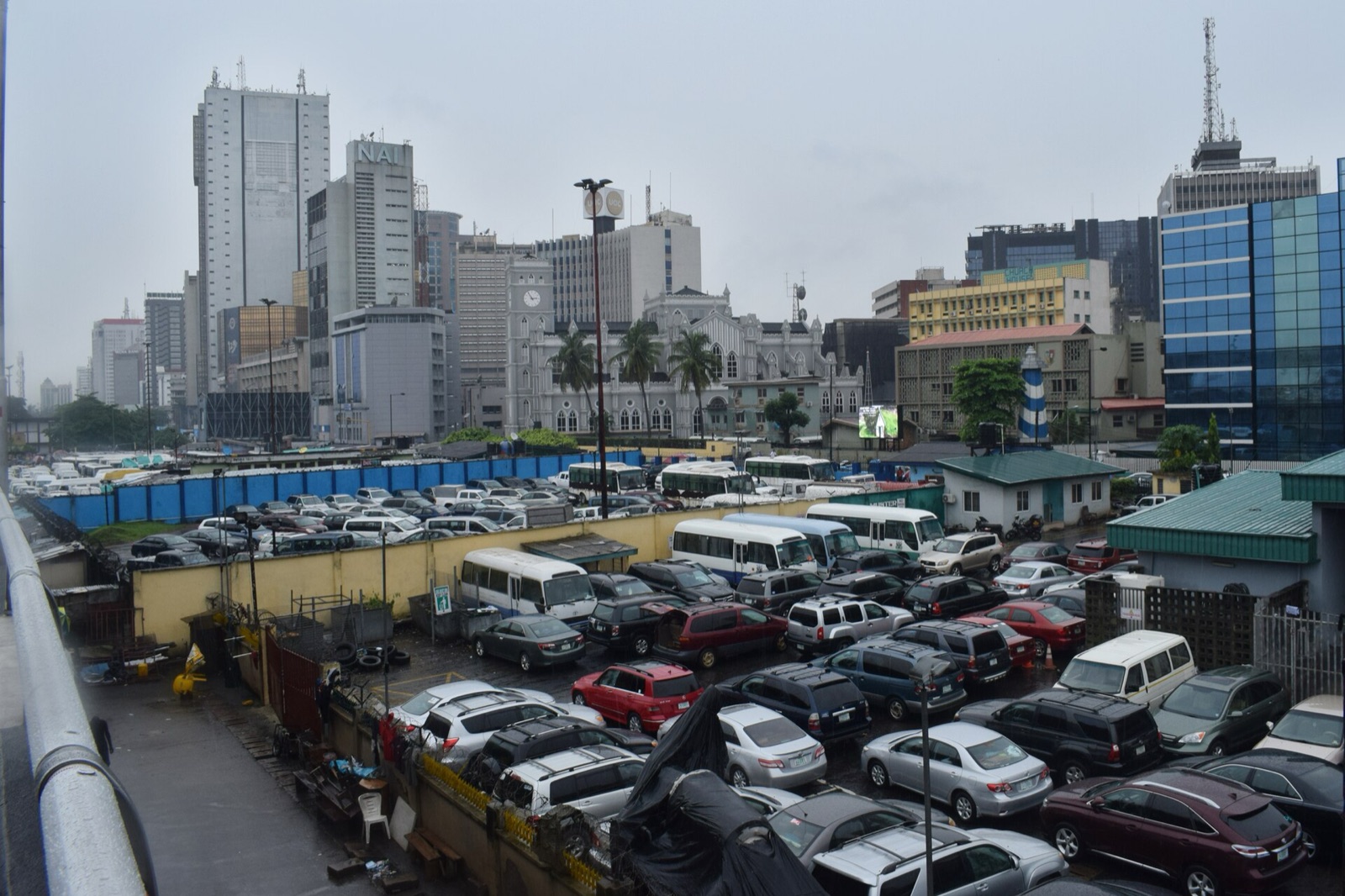
Lagos — Nollywood, a blend of "Nigeria" and "Hollywood", is the popular name for the Nigerian film industry, whose films are watched across Africa and by the diaspora around the world.
Where the name came from
The word itself is fairly new. Scholar Jonathan Haynes traced its first use to a 2002 article by Matt Steinglass in The New York Times; another Times correspondent, Norimitsu Onishi, used it the same year. Haynes argues the name has helped the industry gain recognition and grow.
Fast, cheap and close to home
Film scholars often use "Nollywood" for the wave of films made from the 1990s onwards: low-budget, shot quickly, starring well-known faces to draw audiences, and sold for home viewing through informal networks. That model let Nigerian stories reach huge audiences without cinemas or big studios.
More than one industry
What counts as Nollywood is still debated. Alex Eyengho defines it as all the activity of Nigeria's film industry in English, Igbo, Hausa, Yoruba, Itsekiri, Edo, Efik, Ijaw, Urhobo, Ibibio, Annang or any of the country's more than 300 languages. He traces its roots to the stage and screen work of pioneers such as Hubert Ogunde, Baba Sala, Ade Love and Eddie Ugbomah, before and after independence.
The name is sometimes stretched to cover Ghana's English-language films, which are often co-produced or distributed with Nigeria. Either way, Nollywood has become one of Africa's best-known cultural exports.
Background: Wikipedia.