Short, structured classes can lift children's mental health, African study finds
A review of 122 studies found that coping and problem-solving lessons run by trained non-specialists can ease depression and anxiety.
Lire cet article en français →
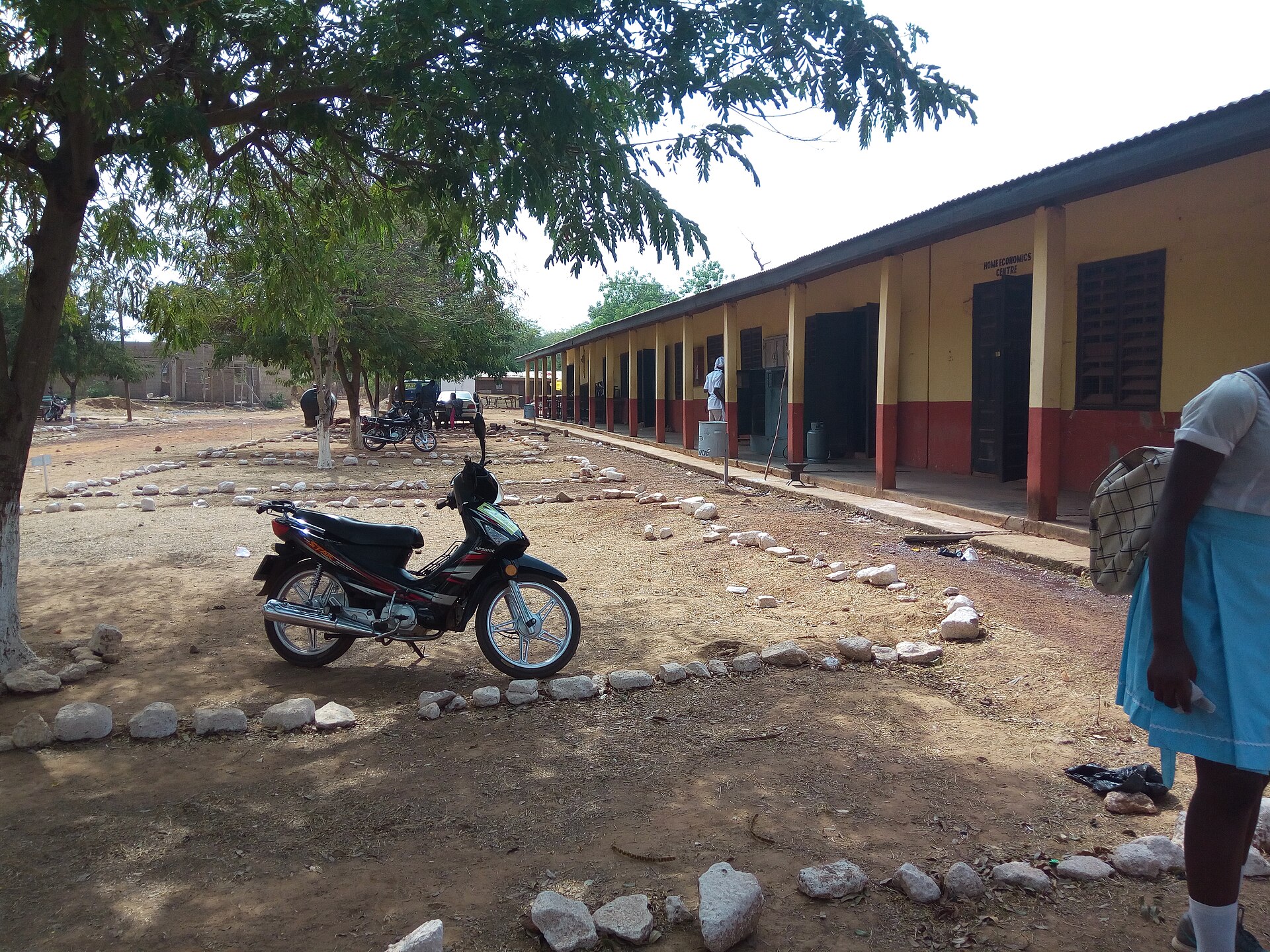
Accra — Schools are often the first places where a child's emotional difficulties show: missed classes, withdrawal from friends, falling grades. That makes them a natural place to help, say researchers from the Education and Youth Empowerment team, writing in The Conversation.
The need is pressing in Africa. Specialist mental health services are scarce, many children face several social and economic pressures at once, and the population is young: in 2024, 46% of Africans were under 18.
What the evidence shows
The team screened 1,759 records and reviewed 122 studies of school-based and school-linked approaches. Their main findings:
- Brief, structured programmes work. Teaching coping, emotional and problem-solving skills can reduce depression and anxiety and improve wellbeing when delivered by trained non-specialists. One example is Shamiri, a four-week group programme tested in Kenyan secondary schools, where students meet in small groups for an hour a week.
- Counselling alone is not enough to prevent problems or tackle the pressures at home and in society that cause distress.
- Teachers matter in spotting distress and helping learners find support, but should not be expected to diagnose or treat.
- Families, communities, health services and child protection all need to be involved.
Most evidence came from Ghana, Uganda, Tanzania, South Africa and Kenya. Much less exists from French- and Portuguese-speaking Africa, North and Central Africa, and rural or conflict-affected areas.
The researchers call for school systems that combine prevention, early identification, teacher support and clear routes to specialist care.
Source: The Conversation, 21 October 2026.