Cheikh Anta Diop: the Senegalese scholar who put Africa at the centre of history
Historian, physicist and politician, he challenged colonial views of the African past. Dakar's university bears his name.
Lire cet article en français →
Dakar — Cheikh Anta Diop, born on 29 December 1923 in Thieytou, in Senegal's Diourbel region, was a historian, anthropologist, physicist and politician who studied the origins of humanity and Africa's past before colonialism. The questions he asked about bias in scientific research helped change how African civilisations are studied.
From Diourbel to Paris
Diop grew up in a Wolof Muslim family of the Mouride brotherhood and was educated first in a traditional Islamic school. In 1946, aged 23, he went to Paris. He started in higher mathematics, then took a degree in philosophy in 1948 and two diplomas in chemistry in 1950.
A bold argument
In his 1954 thesis, Diop argued that ancient Egypt had been populated by Black people. When he published his ideas in the book Nations nègres et culture, he became one of the most controversial historians of his time. He argued that a shared cultural continuity linked African peoples, more important than the differences between their languages and cultures.
His work is seen as foundational to Afrocentric thought, though he never called himself an Afrocentrist. Some scholars have criticised parts of it as based on outdated sources and ideas of race; others say it has been widely misrepresented. Egyptologist Stuart Tyson Smith called his 1974 book The African Origin of Civilization a highly influential work that rightly points to the African origins of Egyptian civilisation, while criticising its method.
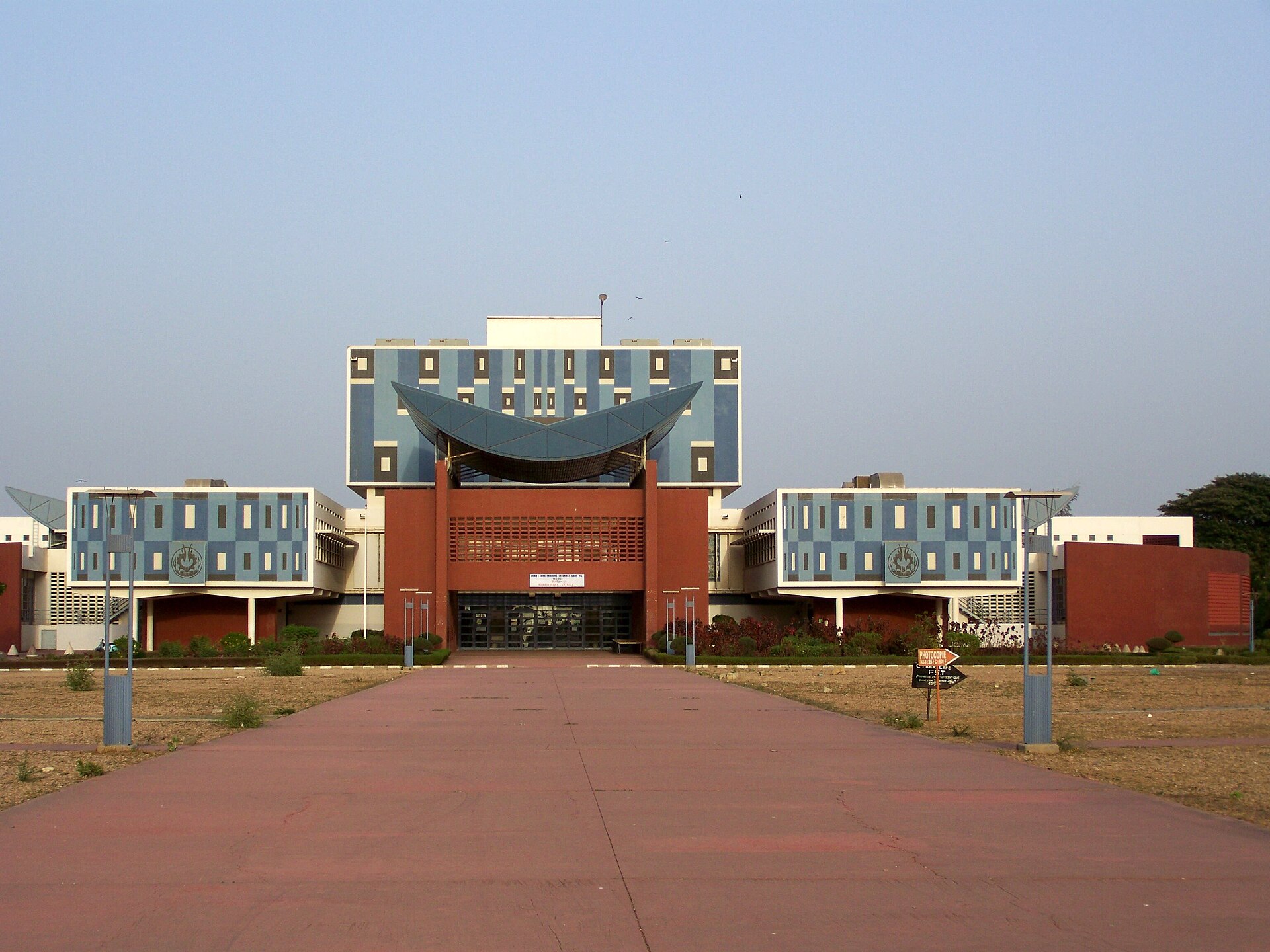
Diop died on 7 February 1986. Senegal's leading university, Cheikh Anta Diop University in Dakar, is named after him.
Background: Wikipedia.