Clean energy jobs: how Ghana and South Africa can open them to women
A study of 14 energy policies finds women get cleaner stoves but miss out on technical jobs, contracts and ownership.
Lire cet article en français →
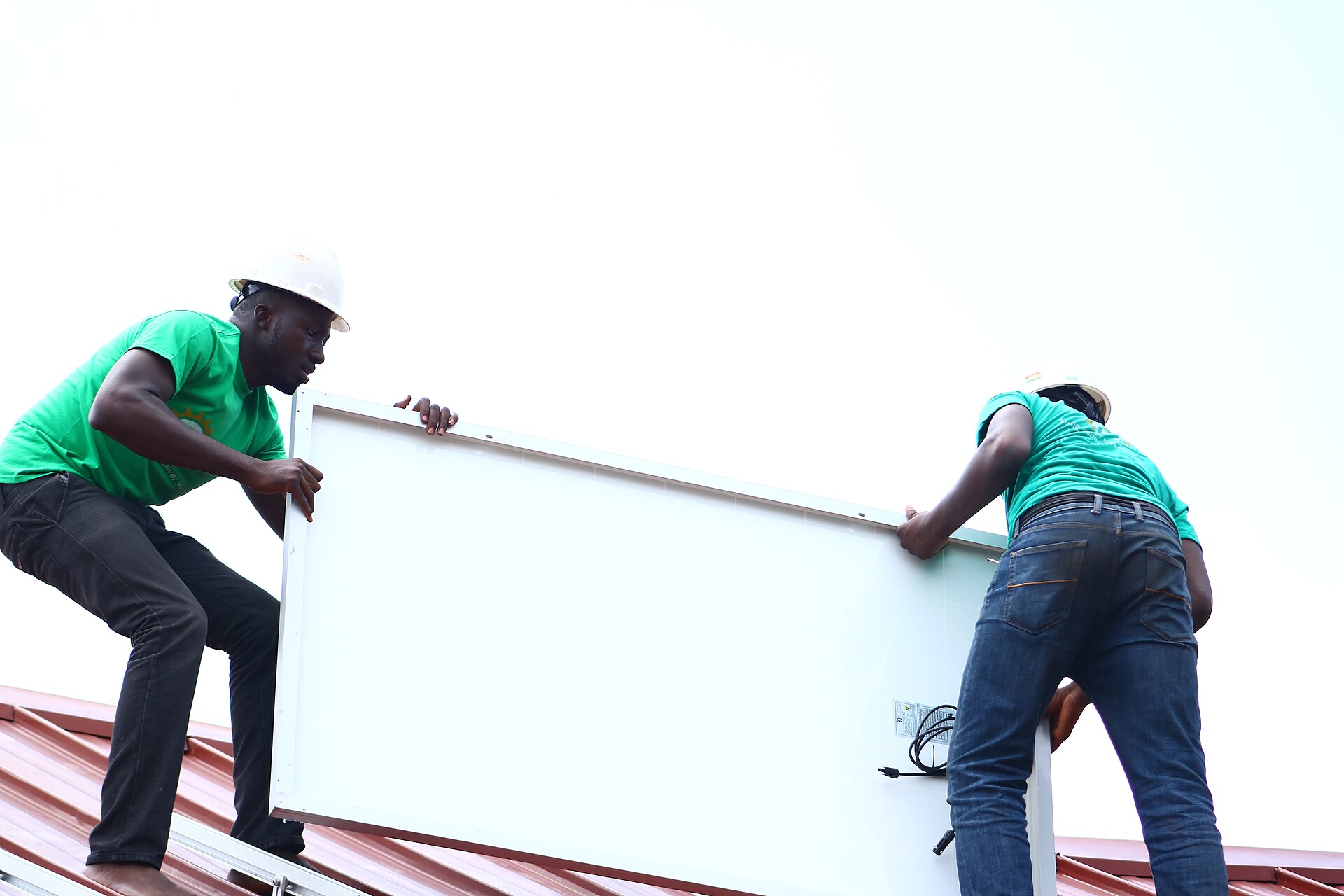
Accra — Africa's move to cleaner energy could bring women new jobs and businesses. Solar and wind industries offer paid work; off-grid power and clean cooking could create businesses for women to run; and fewer hours spent gathering fuel could free time to earn and study.
But development economists writing in The Conversation warn that none of this will happen by itself.
What they studied
The researchers reviewed evidence on energy and women's work, examined 14 green-energy policies (six in Ghana and eight in South Africa, from South Africa's 1998 energy white paper to Ghana's 2023 power sector master plan) and interviewed officials and specialists in both countries.
What they found
- Women are concentrated in lower-paid, non-technical jobs; men hold most engineering, technical and leadership roles.
- Getting a household electricity or an electric stove is only part of the story. Who controls money, assets and decisions also matters.
- Some policies do address women. Ghana's Renewable Energy Master Plan calls for better data, equal job opportunities and finance for women-owned businesses. Others barely mention them, and both countries lack the data, funding and staff to deliver.
Four questions for policymakers
The authors propose a framework built on four questions: what is blocking women, what is being overlooked, who is shaping the rules, and are policies working together? They want women workers, entrepreneurs and engineers to help design programmes, and energy ministries to have clear targets for women's jobs, business ownership and contracts, backed by budgets.
Source: The Conversation, 28 October 2026.