The rock from the Sahara that may be the oldest known piece of Mars
Teghaza 001, found by prospectors in 2022, is at least 4.1 billion years old and hints at a granite-like crust on the young planet.
Lire cet article en français →
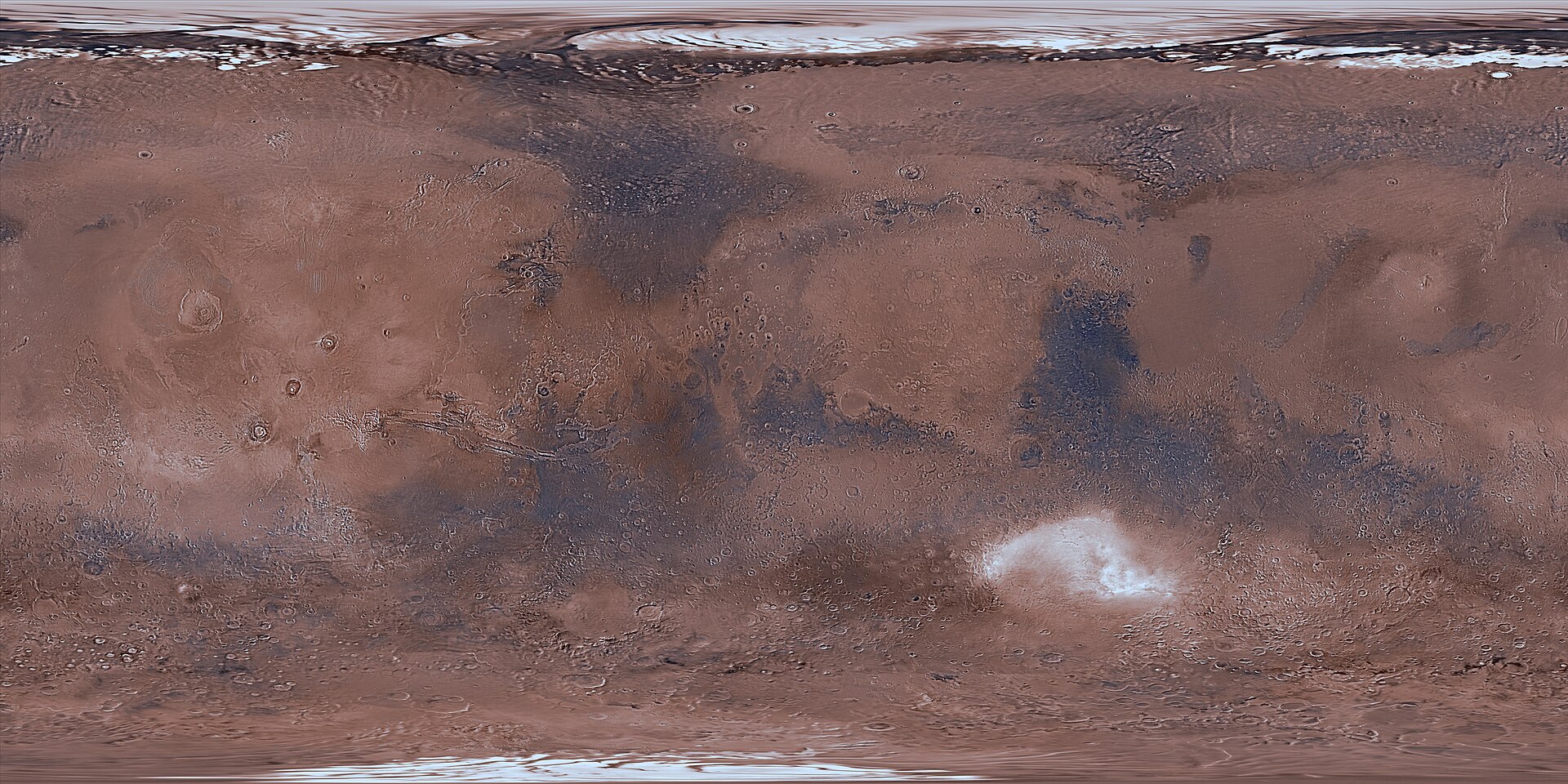
PANM — A meteorite picked up in the Sahara is drawing searches across Nigeria this weekend, after a New York Times report on Friday described it as a 4.1-billion-year-old piece of Mars.
The rock, Teghaza 001, was found by prospectors in the desert in September 2022. A team led by Caltech, with Yang Liu as lead author, announced in July that it is more than 4.1 billion years old, making it the oldest known Martian meteorite.
How they know, and what it shows
- Age: it comes from uranium-lead dating of zircon minerals, because uranium decays into lead at a known rate. The rock could be older still, since melting or fluids may have reset those clocks.
- Crust: it is rich in silicon, which suggests a granite-like crust on ancient Mars. That is a surprise, because granite on Earth usually forms through plate tectonics, which Mars lacks.
- Water: its hydrogen chemistry suggests Mars was already losing its water very early on, as its atmosphere thinned and cooled.
"We've doubled our old meteorites," said Lydia Hallis, a planetary scientist at the University of Glasgow. "There will be a lot of people, including me, who want to get a piece of this."
When EarthSky reported the findings in July, the paper was a preprint that had not yet been peer-reviewed.
Source: EarthSky, 24 July 2026; report noted from The New York Times, 30 October 2026.